

The body's own defense mechanisms are misfiring, flagging proteins in peanuts as dangerous invaders. This fundamental error by the immune system is the core reason behind peanut allergies, a condition seeing a notable uptick, particularly among children. This misidentification of peanut proteins as harmful triggers a range of reactions, from mild skin irritations to severe, life-threatening anaphylaxis. The complexity of these allergies means there is currently no definitive cure.
The immune system mistakenly identifies peanut proteins as harmful substances, initiating allergic responses.
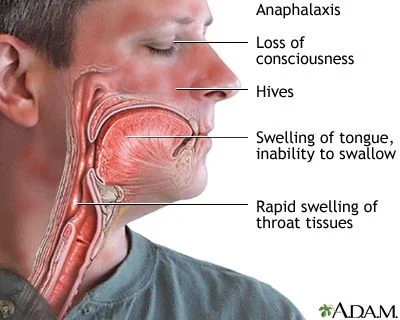
Peanut allergies manifest in various ways, with symptoms differing from one individual to another. These reactions can be severe, and ingesting even a minuscule amount of peanut can provoke a serious outcome. Anaphylaxis, a sudden and life-threatening allergic reaction, is a significant complication associated with peanut allergy, making it a leading cause of this extreme response from food ingestion.
Read More: Gene Function Changes Without DNA Change Can Be Passed Down
Anaphylaxis, a severe and potentially fatal reaction, is a key complication of peanut allergy.

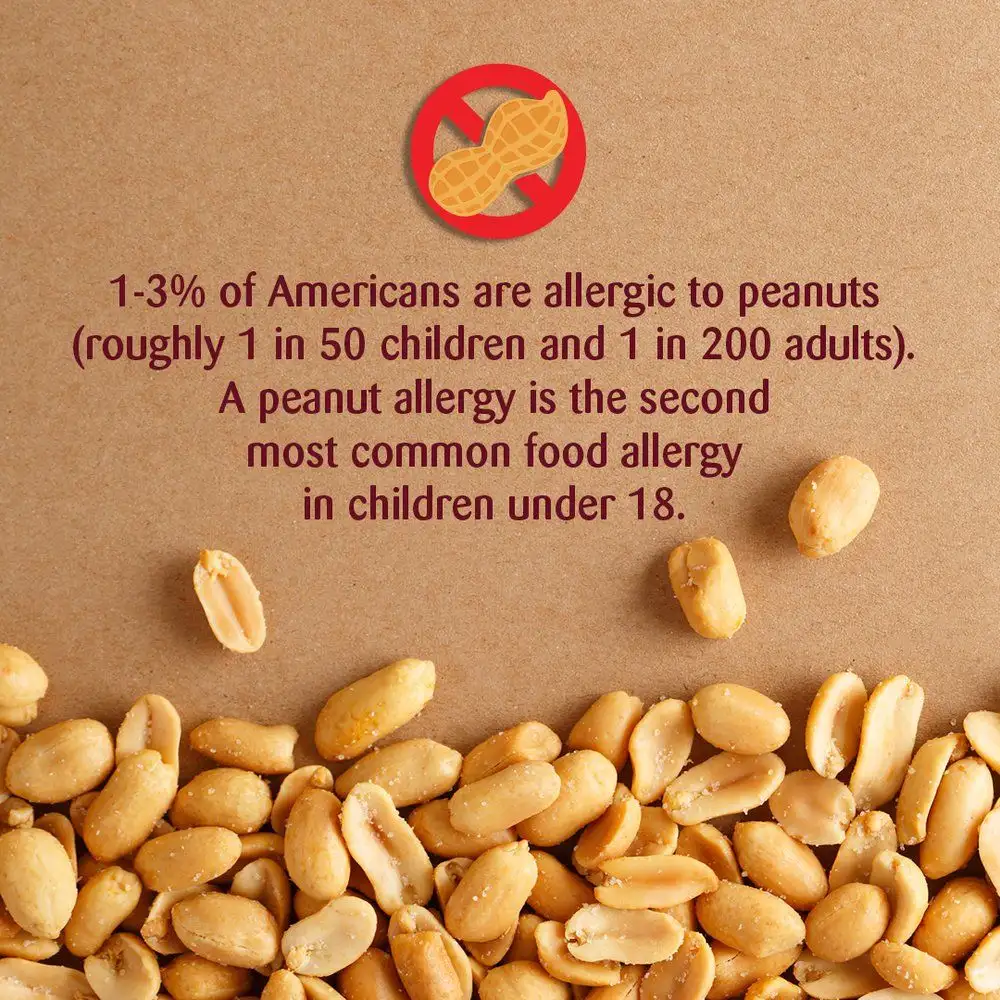
The prevalence of peanut allergies has been increasing over recent decades, with a particular rise observed in younger populations. Factors such as having eczema or other allergies, like egg allergy, in infancy have been identified as increasing the likelihood of developing a peanut allergy later on. While not automatic, a peanut allergy does not necessarily equate to an allergy to tree nuts, as they are biologically distinct.
Recognizing the Danger: Symptoms and Exposure Pathways
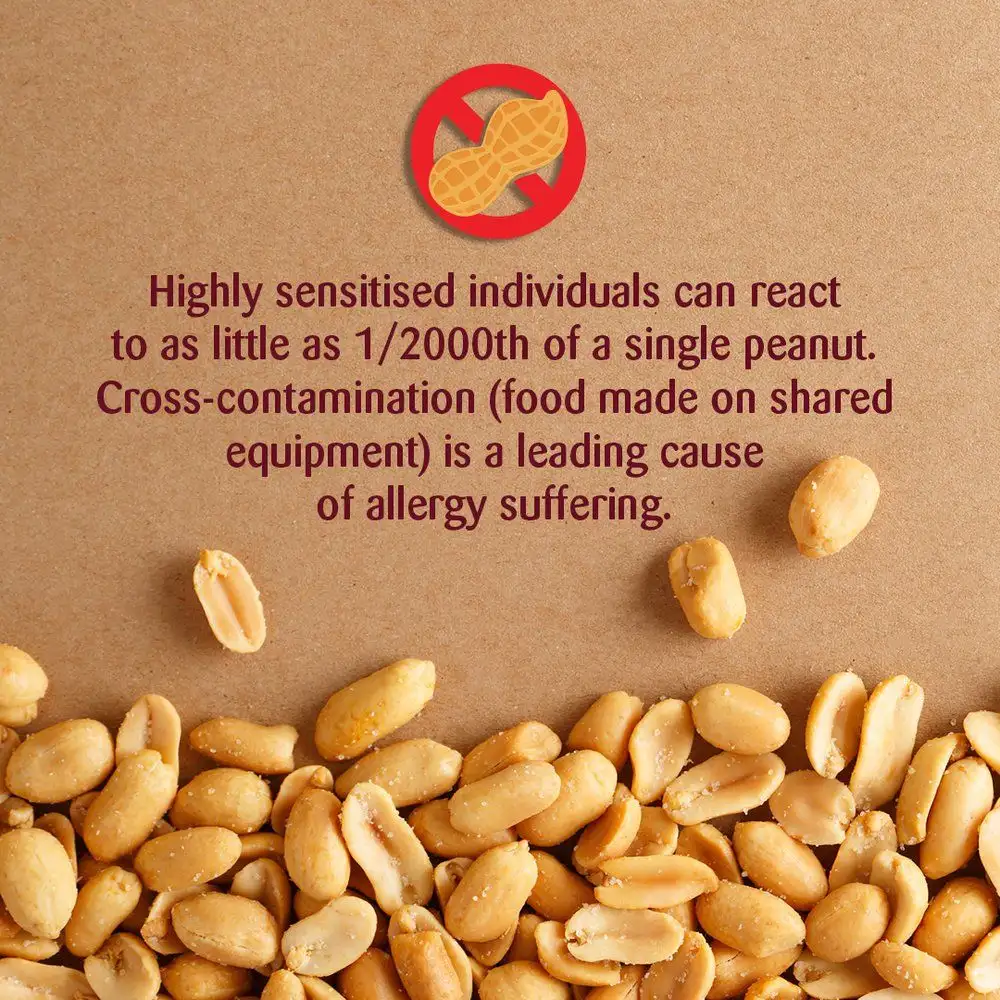
The danger of peanut exposure is multifaceted. Simply inhaling peanut dust can trigger reactions in a small percentage of allergic individuals. Skin contact can also elicit a rash, even without ingestion. More commonly, ingestion of peanut or foods containing peanut proteins initiates the allergic cascade.
"The safety of peanut oils is controversial. Therefore, avoidance of peanut oil is often recommended, though it is likely that some peanut allergic patients have tolerated peanut oil."
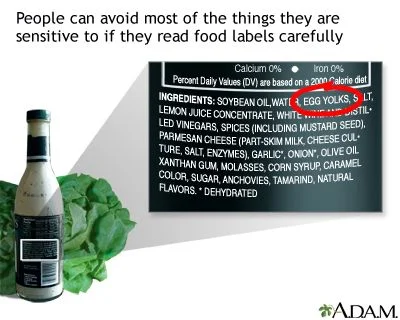
The identification of peanut protein in food products is often indicated by specific terms on labels, such as "arachic oil," "arachis," "peanut butter," and various forms of "peanut oil" or "nut pieces." Even airborne peanut particles in certain environments, like a restaurant kitchen, could potentially pose a risk.
Read More: Atlantic Ocean Current Weakening, Cold Blob Linked
Navigating Life with Peanut Allergies
For those living with peanut allergies, rigorous avoidance of peanuts and peanut-containing foods is paramount. This necessitates developing careful habits to prevent accidental exposure, a constant concern when navigating daily life. Communicating the allergy to restaurant staff is a critical step in managing this risk.
Avoidance of peanuts and foods containing peanut proteins is a central strategy for managing peanut allergy.
Treatment for peanut allergy often involves strategies to build tolerance, which may include periodic monitoring of specific antibodies. While undergoing such treatments, continued vigilance in avoiding peanuts remains essential. When accidental exposure occurs and an allergic reaction ensues, medical intervention may be necessary, often involving carrying emergency medication.
Peanut Protein Labels and Hidden Dangers
The presence of peanut protein can be masked by various culinary terms. Common indicators on food labels include:
Arachic oil
Arachis
Peanut butter
Ground nuts
Nut pieces
Peanut flour
Peanut paste
Peanut sauce
Spanish peanuts
Virginia peanuts
Broader Context: Legumes and Related Allergies
It is important to note that peanuts are legumes, distinct from tree nuts, which are botanically classified as drupes. While allergies to peanuts and tree nuts are both common, they are not the same. Individuals allergic to peanuts may, however, exhibit reactions to other legumes like lupine.
Read More: Princess Kate Returns to Public Events After Cancer Treatment
The Evolving Landscape of Peanut Allergies
The increasing incidence of peanut allergies is a subject of ongoing observation. While the exact reasons for this rise are complex, some researchers have pointed to factors such as varying levels of vitamin D as potential contributors. The evolution of dietary practices and environmental factors may also play a role in this growing public health concern.
Historical Perspective
Peanut allergies were notably less common just a few decades ago, suggesting a relatively recent shift in their prevalence. This historical shift underscores the dynamic nature of allergic conditions and their relationship with societal and environmental changes.



:max_bytes(150000):strip_icc():focal(734x388:736x390)/Mayim-Bialik-Gladiator-II-premiere-2024-060526-3944ec4ba6e74b18b72ffe24baf6af6d.jpg)