Hundreds were arrested and at least one person died in France as celebrations for Paris Saint-Germain's Champions League victory on Saturday night spilled into widespread unrest and clashes with police. The scale of the detentions, with figures ranging from over 280 in Paris alone to a nationwide tally of 890, paints a stark picture of celebrations overshadowed by disorder.
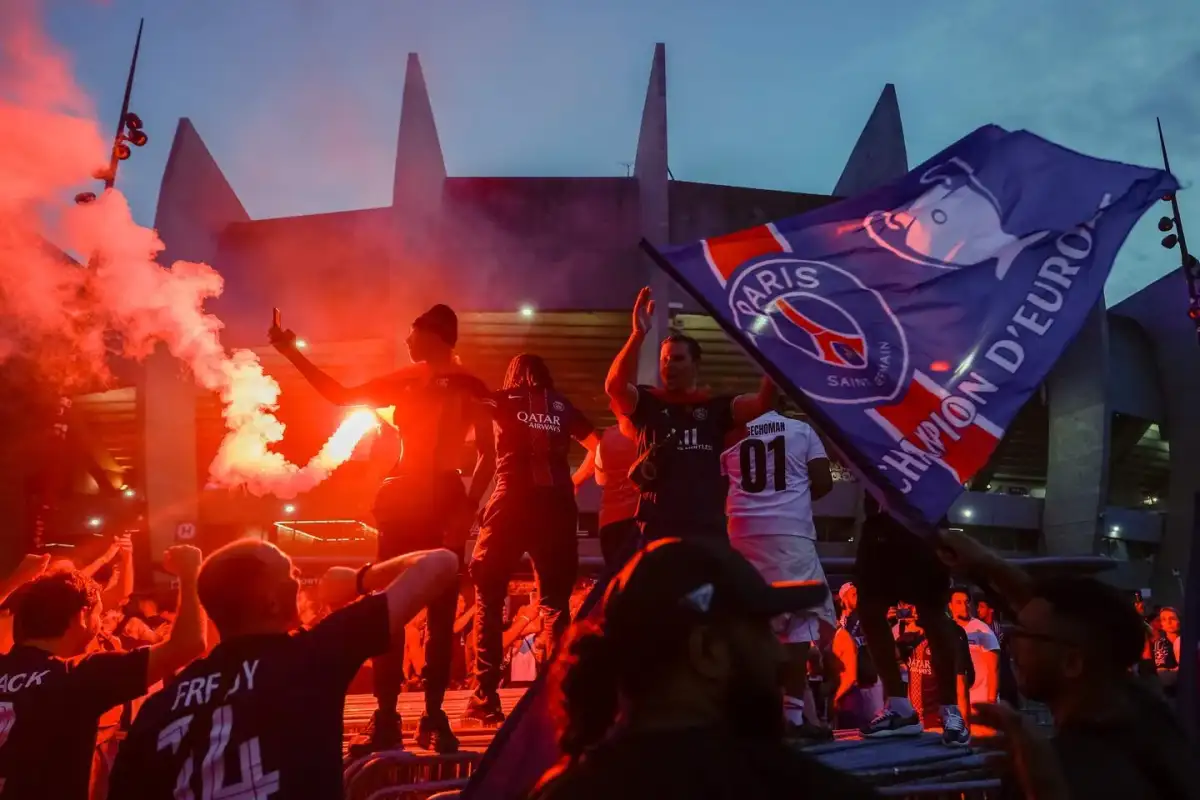
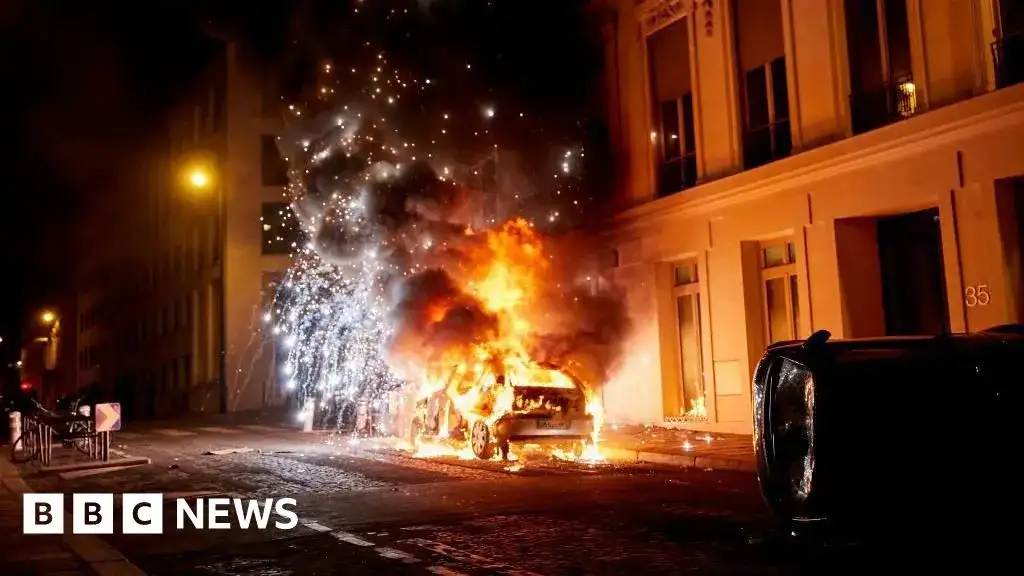
The grim tally of the night includes a young man in his twenties who died after crashing his motorbike on a Paris ring road exit. Authorities also reported a police officer injured, and significant damage to property, including a bakery and a restaurant near the Parc des Princes stadium. Vehicles, specifically 264, were set ablaze across the country.
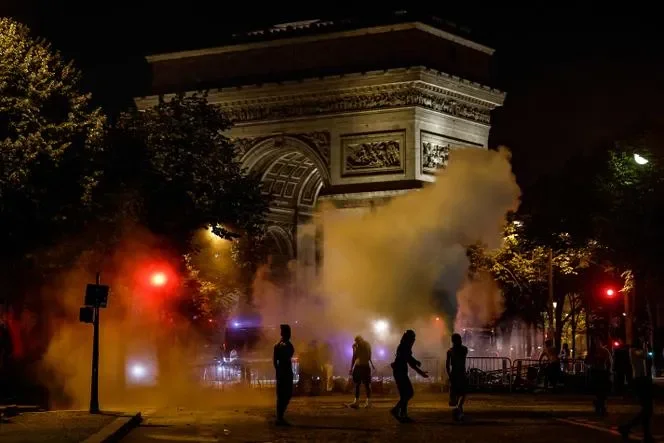
Thousands of police and gendarmes, an estimated 22,000 nationwide with 8,000 in Paris, were deployed in anticipation of large crowds and potential trouble. This heightened security presence was a direct response to similar, albeit less severe, incidents that marred PSG's victory celebrations last year. On the Champs-Élysées, around 20,000 people converged, and clashes were reported near the stadium where thousands gathered to watch the match, with projectiles, including fireworks, being thrown at officers. Some individuals attempted to storm a police station in the upscale 8th Arrondissement.
Read More: FIFA World Cup 2026 Revenue Reaches $15 Billion With New Ticket Prices
Transport infrastructure was disrupted, with tram lines halted, metro stations shut, and bus traffic impeded in an effort to manage the burgeoning crowds and prevent further disturbances. The incidents underscore a recurring pattern where major sporting victories for the Parisian club become intertwined with public disorder, prompting significant law enforcement responses.
Contextual Echoes of Unrest
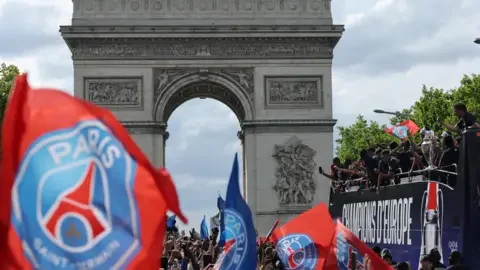
This year's events echo the scenes from the previous year, when PSG last clinched the Champions League title. While specific numbers for last year's arrests were reported at over 500 nationwide, the deployment of 8,000 officers in Paris alone at that time suggests a precedent for crowd control measures. The repeated clashes, marked by property damage, projectiles, and arrests, raise questions about the long-term management of mass public celebrations in the capital. The underlying factors contributing to these recurring episodes of unrest, beyond the immediate euphoria of a sporting win, remain a subject of ongoing observation.
Read More: Desogestrel Pill Use Linked to Higher Brain Tumor Risk