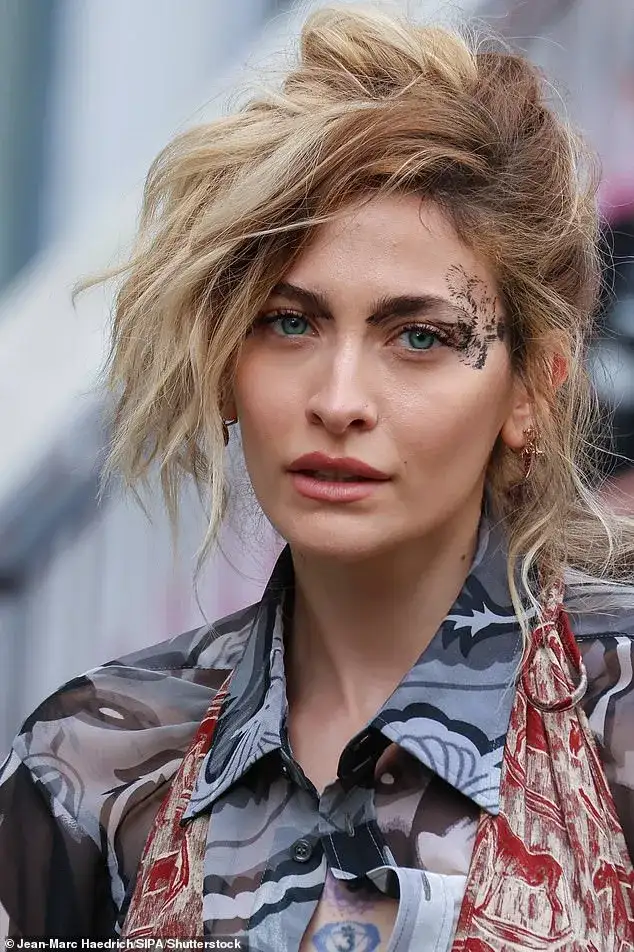
Paris Jackson attended the Vivienne Westwood FW/26 presentation in Paris, utilizing a visual vernacular that merged high-fashion textile work with intentional bodily disruption. The appearance—marked by asymmetrical facial designs executed by artist Lisa Potter-Dixon—has generated a bifurcated response from digital audiences, highlighting the friction between traditional beauty expectations and performative autonomy.
| Component | Technical Detail |
|---|---|
| Attire | Red-patterned halter catsuit over grey maxi-blouse |
| Aesthetics | Black smudged brow-lines, geometric facial marking |
| Accessories | Cactus-shaped handbag, messy updo by Luke Pluckrose |
| Context | Vivienne Westwood Fall/Winter 2025/2026 Show |
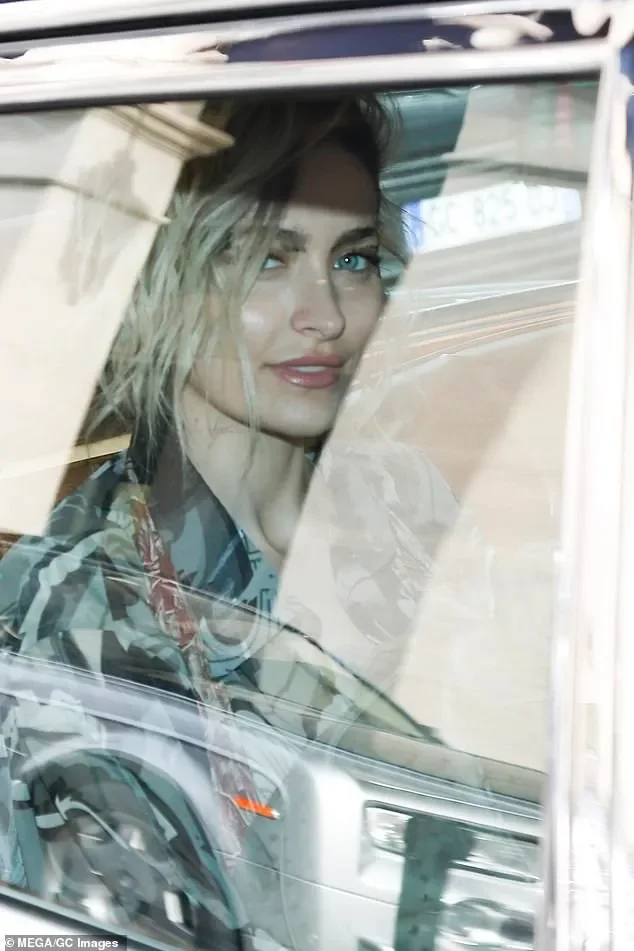
The signal here is not the fashion, but the reaction to the human form in a curated space. Jackson’s insistence on normalizing non-conforming choices—such as wearing sheer garments or rejecting conventional grooming standards—serves as a flashpoint for social media debate. Her response to this scrutiny focuses on the inherent nature of the body as an entity, rejecting the gaze of the "critic" in favor of personal agency.
The Mechanism of Modern Iconography
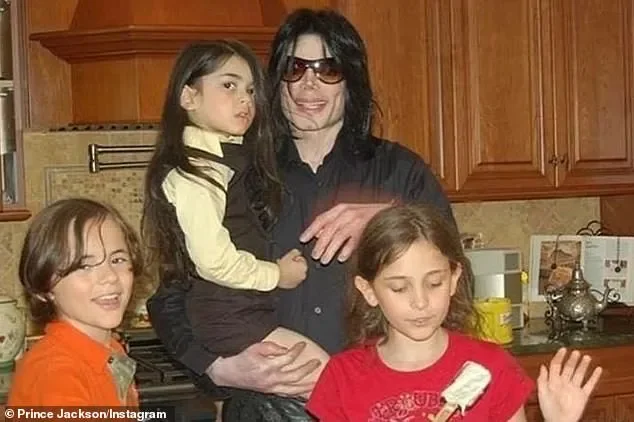
The spectacle at the Vivienne Westwood show represents a calculated performance of rebellion. By distancing herself from authorized biographical media—specifically the recent biopic surrounding her family lineage—Jackson shifts the narrative weight onto her own physical presence.
Read More: Zandra Rhodes wants to design for Princess of Wales, recalls dressing Princess Diana
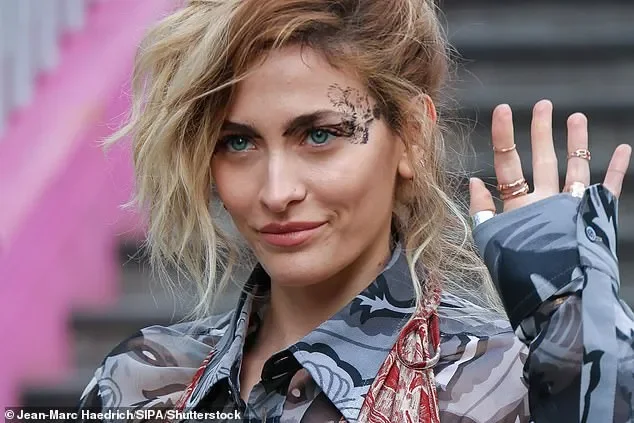
Body Positivity vs. Scrutiny: Jackson has publicly addressed detractors who questioned her choice of transparent attire, framing the human form as an anatomical constant rather than an object of moral judgment.
Stylistic Intent: The collaboration with Andreas Kronthaler reflects a continuity with the Westwood ethos: raw, defiant, and structurally complex.
The Collective Presence: Her attendance alongside cultural figures like Chappell Roan and Lola Young frames her not as a solitary actor, but as part of a contemporary wave of artists utilizing "drag-inspired" and "non-traditional" makeup to redefine standard red-carpet expectations.
Contextualizing the Disruption
The fashion industry relies on the "shock of the new," yet rarely welcomes the "shock of the human." Jackson’s actions during this cycle—ranging from the selection of whimsical accessories like the cactus-shaped bag to the vocal defense of her appearance—function as a critique of the fashion circuit’s demand for static beauty.
While onlookers characterize the facial markings as "bizarre," the terminology itself underscores a limitation in how observers categorize those who refuse to participate in traditional "glam" hierarchies. Jackson’s position as a Modern Style Icon is cemented not by her adherence to runway trends, but by her willingness to utilize these platforms to broadcast her Personal Autonomy. The controversy is not an accident of the event; it is the event.


:max_bytes(150000):strip_icc():focal(749x0:751x2)/robert-irwin-steve-irwin-all-there-is-anderson-cooper-031126-f859db6058544271907b7a3c52020a3b.jpg)