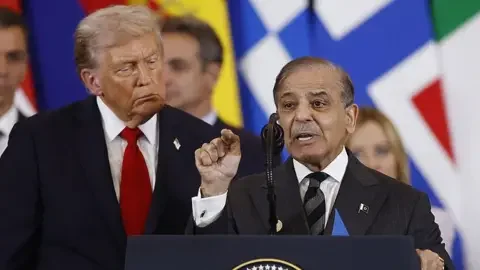
Pakistan is attempting to position itself as a central diplomatic bridge in the escalating conflict between Washington and Tehran, yet reports of shielding Iranian military assets have invited intense scrutiny and accusations of bias. As of May 17, 2026, the nation occupies a volatile intersection of global power interests, juggling roles as a facilitator of backchannel communications while struggling to suppress perceptions of alignment with the Iranian regime.
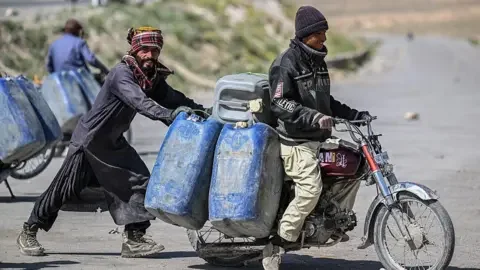
The Geography of Allegations
The diplomatic stability Islamabad sought to project was punctured by recent reports—notably from CBS on May 11—alleging that Iranian military aircraft were sheltered at a base near Rawalpindi to evade U.S. strikes.
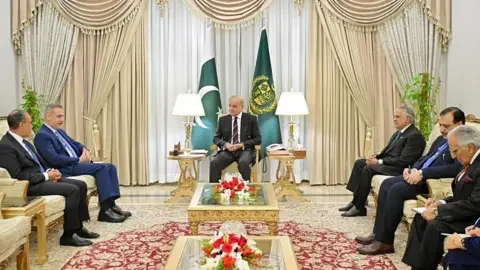
The presence of these assets, if verified, complicates the narrative of a neutral mediator.
U.S. Senator Lindsey Graham has led public criticism against the administration in Islamabad, challenging the integrity of their role.
While the state denies bias, the physical reality of military aircraft has arguably compromised the credibility of the "honest broker" stance.
The Mediator’s Motives: Economic Vulnerability
The urgency behind Pakistan’s diplomatic activity is tied to its extreme dependency on oil imports passing through the Strait of Hormuz.

| Driver | Strategic Rationale |
|---|---|
| Energy Security | Maintaining flow through the Strait is a matter of national survival. |
| Regional Status | Elevating profile to maintain relevance under the current Trump administration. |
| The Saudi Factor | Managing potential commitments to Riyadh under existing regional security pacts. |
Regional Strains and Diplomatic Friction
Pakistan’s assertive move into mediation has triggered secondary pressures from neighboring India. The lack of a parallel diplomatic opening for New Delhi has led to domestic questioning of Indian foreign policy, while the government in Islamabad remains occupied with maintaining ties to both the Trump administration and the leadership in Tehran.
Read More: Iran Warns Gulf States After U.S. Naval Clash
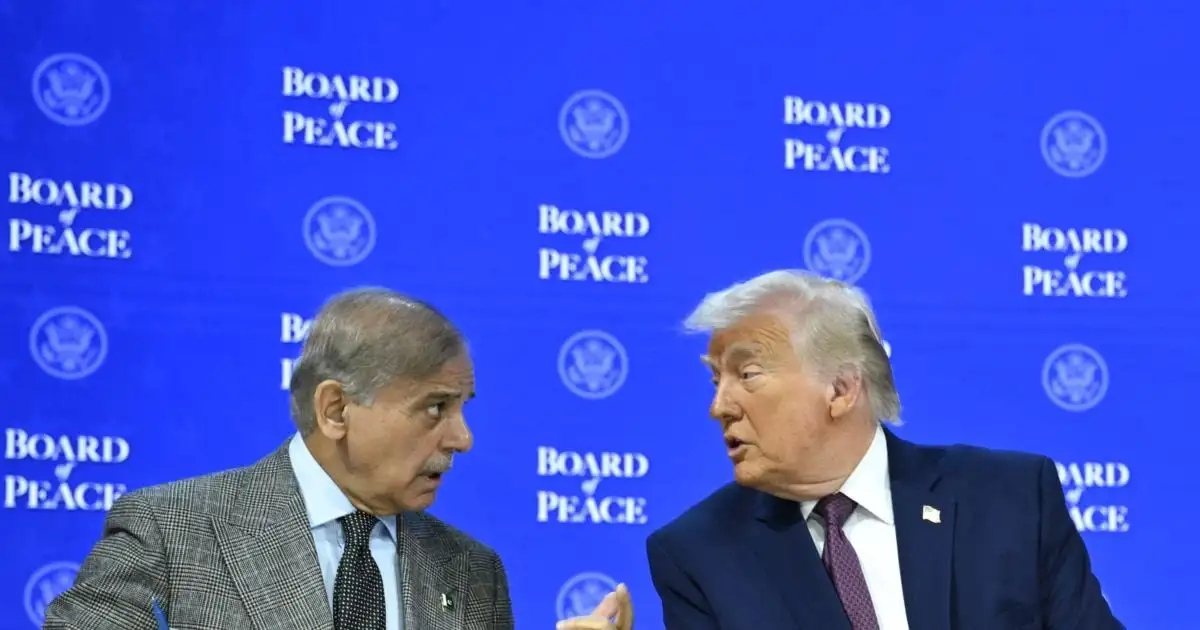
"The government is working to safeguard national interests and maintain stability," officials maintain, even as domestic economic indicators—compared unfavorably against regional peers like Bangladesh—add weight to the necessity of a swift resolution.
Contextualizing the 'Reverse Bismarck'
For years, Islamabad has practiced a form of "proactive strategic autonomy," seeking to maximize its utility to global powers. Following the Gaza Board of Peace initiative, the current attempt to mediate the Iran war serves as an extension of this doctrine. With high-level discussions between Army Chief Field Marshal Asim Munir and President Donald Trump reportedly occurring as recently as last month, the state remains deep in a high-risk gamble. Success would secure energy lifelines and international prestige; failure risks alienating the United States while deepening existing tensions with regional allies.
Read More: 40 Die in Quetta to Peshawar Bus Crash in Balochistan on April 3 2026