As of May 17, 2026, global crude oil benchmarks remain elevated near the $106 per barrel mark. The market is defined by a sustained supply squeeze, driven primarily by the effective closure of the Strait of Hormuz and mounting geopolitical friction involving the United States, Iran, and China.
Market liquidity is currently compromised by record-pace inventory depletion and severe tanker traffic disruptions, creating a structural supply gap expected to persist through at least October.
Current Market Dynamics
The price trajectory is marked by aggressive, though irregular, upward movement across global blends. Recent sessions show a sharp weekly gain of approximately 11% in WTI futures. Key signals include:
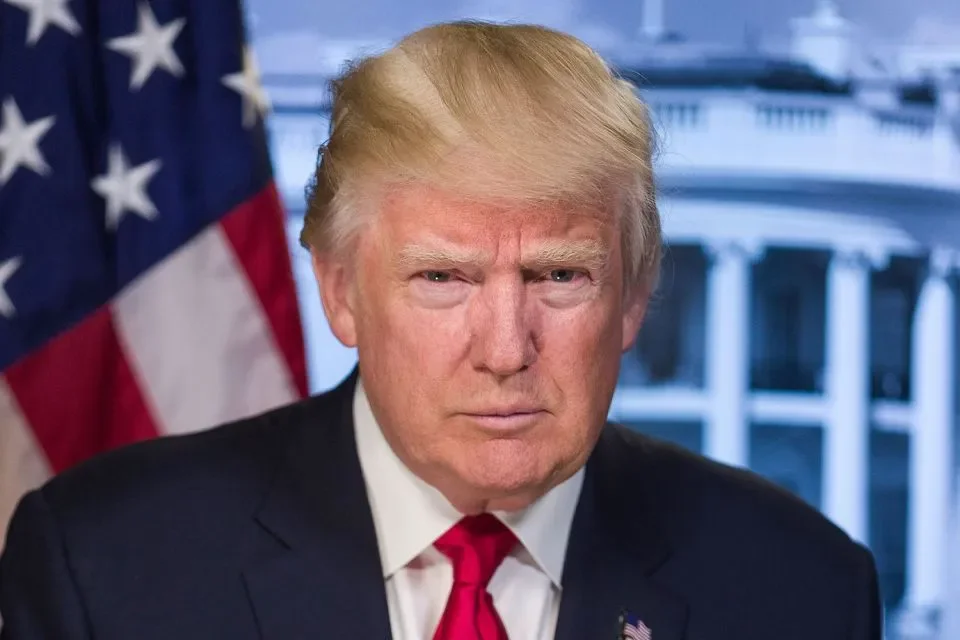
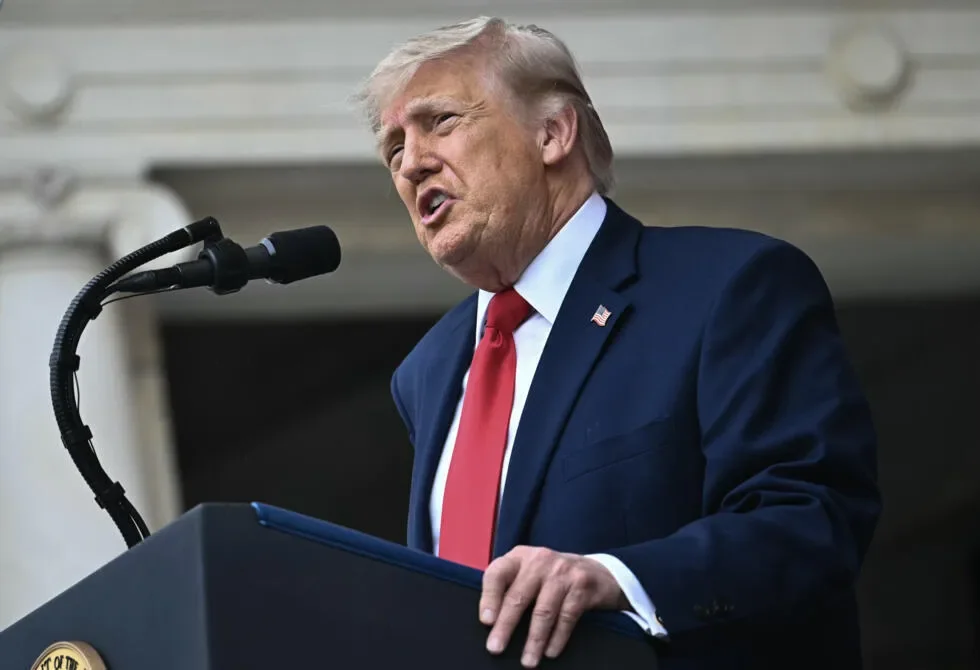
Geopolitical Deadlock: The Strait of Hormuz remains a focal point of risk. While diplomatic channels are open, including discussions between President Trump and President Xi, transit remains restricted.
Strategic Realignment: The UAE has formally departed from OPEC, citing strategic economic independence. Meanwhile, the UAE is accelerating a secondary pipeline bypass to mitigate reliance on Hormuz chokepoints.
Infrastructure & Policy: The U.S. government is pivoting toward increased domestic output, with Energy Secretary Chris Wright indicating that China is set to become a primary buyer of American crude to offset the Iranian supply loss.
Industrial Fallout: Global trade is feeling the contraction; Air India has cut 27% of international flights due to fuel supply instability, and domestic inflationary pressures continue to mount across sectors ranging from retail to transport.
Explanatory Context: The "New Normal"
The energy landscape has transitioned into a high-price environment—projected by analysts like Amos Hochstein to dwell in the $90–$120 range for the foreseeable future.
This state of play is not merely a supply-demand mismatch but a fundamental shift in energy security architecture. The reliance on centralized choke points has prompted a scramble for "generational" energy projects—such as the Willow project in Alaska and expanded LNG capacity—to insulate domestic markets from the fallout of Mideast regional instability.
Read More: Trump says $200 oil is okay to stop Iran nuclear weapons
| Metric | Status / Trend | Impact |
|---|---|---|
| WTI Crude | ~$106/bbl | High volatility |
| Supply Chain | Severely constrained | Transit bottlenecks |
| OPEC Stability | Decoupling/UAE exit | Market fragmentation |
| Inventory | Record-pace decline | Downward pressure on buffer stocks |
Observers note that while some see the current price spike as ultimately "deflationary" due to inevitable demand destruction, the short-term reality is characterized by an absence of logistical fluidity. The International Energy Agency (IEA) continues to caution that even if hostilities cease in the short term, the market lag—the time required to restock global reserves—ensures that price volatility will remain the dominant theme for the current calendar year.
For those navigating this, the focus remains on Energy Geopolitics and the shifting trade routes between major consumers like China and the evolving supply portfolio of the U.S. and its partners.