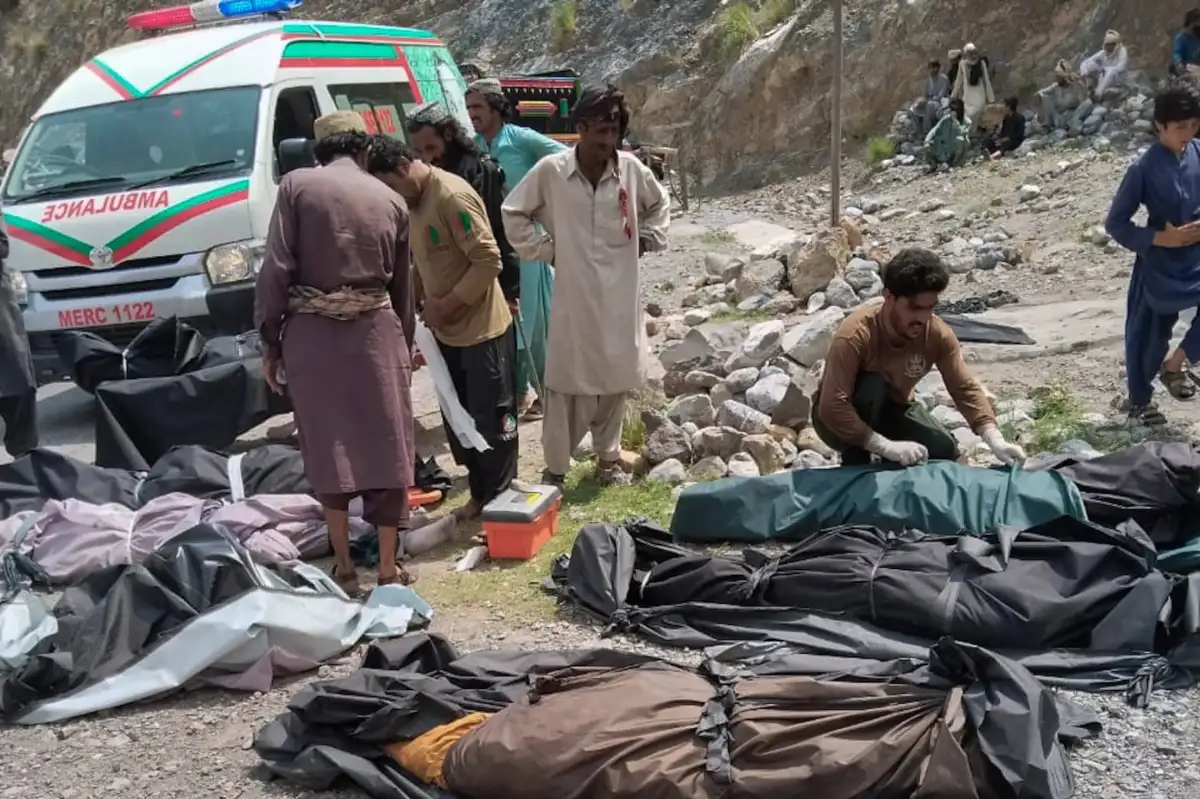
Pakistan grapples with a significant disconnect in its healthcare system, leading to preventable child illnesses. Data indicates that a substantial number of children are seen by physicians but not vaccinated, a pattern observed more frequently in urban areas than might be expected. This situation points to a failure in integrating routine immunization into existing medical encounters.
The problem isn't solely about access to vaccines. Rather, it stems from an "unnecessary disconnect" between services that treat illness (curative care) and those that prevent it (preventive care). This means opportunities to administer vital vaccines are being squandered during visits for other medical needs.
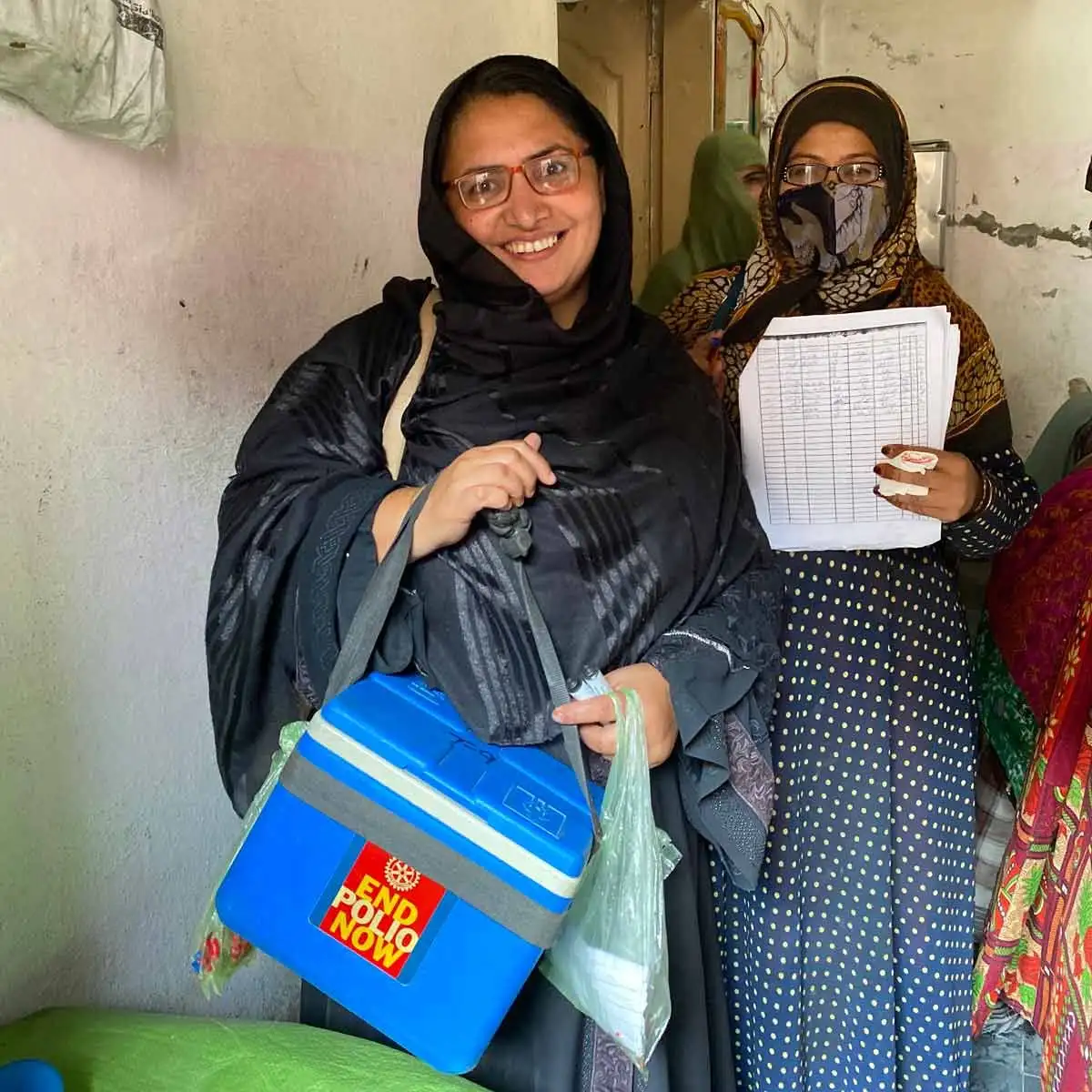
The Urban Paradox and Broader Implications
While common assumptions might place vaccination gaps in remote or underserved regions, the reality in Pakistan appears more complex. Missed vaccination opportunities are, paradoxically, more prevalent in urban settings. This suggests that even where healthcare facilities are ostensibly more accessible, the systemic structure fails to capitalize on these interactions for preventative health measures.
Read More: India IVF Costs And Social Barriers Limit Access In April 2026
The consequence is that children like Hasan, whose mother Saima recounts a distressing night of his crying, remain at risk. The burden of these missed vaccinations is not spread evenly across the population, creating disparities in child health outcomes.
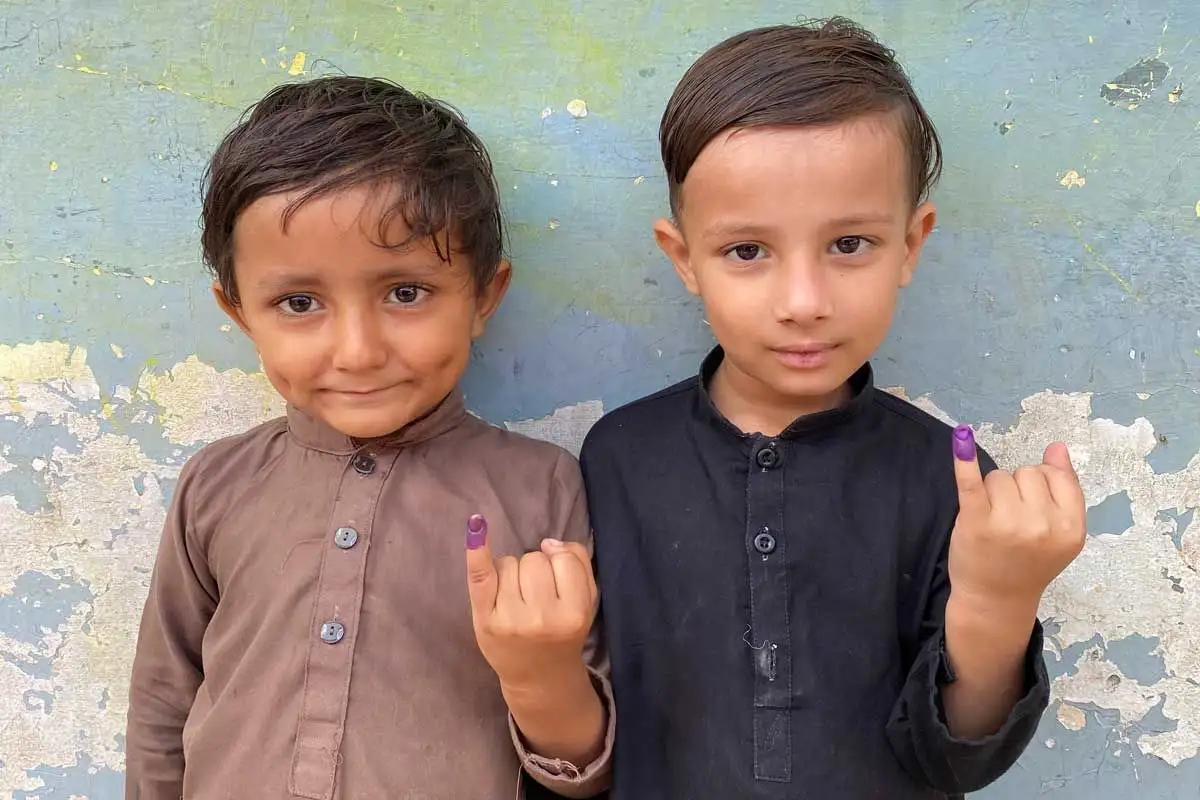
Missed Opportunities: A Persistent Global Issue
The phenomenon of 'Missed Opportunities to Vaccinate' (MOV) is not unique to Pakistan. Reports from 2020 and various international health organizations highlight this as a persistent challenge globally. Strategies to counter this often involve:
Implementing comprehensive clinic assessment tools.
Developing intervention guides for reducing MOV.
Optimizing adolescent immunization schedules.
Identifying factors associated with missed opportunities in primary care.
Efforts to increase vaccination rates, beyond tackling hesitancy or access, can be greatly enhanced by simply ensuring that every child who interacts with the healthcare system receives their scheduled immunizations.