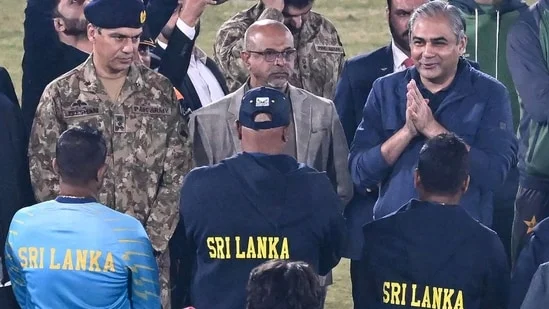
The Pakistan Cricket Board (PCB) finds itself in a deeply precarious position, caught between the directives of its own government and the urgent appeals of Sri Lanka Cricket (SLC). Reports suggest the PCB is once again seeking governmental counsel on whether to heed Sri Lanka's request to reconsider a boycott of the upcoming T20 World Cup match against India, scheduled for February 15th in Colombo. This situation isn't merely about a single cricket match; it's a complex entanglement of national interests, economic pressures, and historical diplomatic ties, all playing out on the global sporting stage. The very fabric of international cricket and the economic health of Sri Lanka appear to be at stake, demanding a closer, critical examination.
The Standoff: A Game of Shifting Sands
At the heart of this unfolding drama is the Pakistan government's directive that the national team will not play against India in the T20 World Cup. While the PCB has been permitted to participate in the tournament, this specific fixture has been declared off-limits. The official reason, if any was ever truly given, remains conspicuously absent, leaving a vacuum filled with speculation and nationalistic posturing.
Read More: Italy Beats Nepal in T20 World Cup Match
However, the narrative has taken a sharp turn with Sri Lanka Cricket (SLC) stepping into the fray. SLC has formally written to the PCB, imploring them to reconsider this boycott. Why such a plea from a fellow cricketing nation? The reasons are multifaceted, ranging from a deep-seated desire to uphold the spirit of the tournament to, more critically, a stark warning about the severe economic repercussions Sri Lanka faces should this marquee match not take place on its soil.
Pakistan's Stance: The Pakistan government has dictated a boycott of the India match.
Sri Lanka's Plea: SLC is actively urging Pakistan to reverse this decision.
The Stakes: Beyond the sport, significant economic consequences for Sri Lanka are looming.
A History of Support and a New Economic Reality
This isn't the first time the two nations have navigated complex situations in their cricketing relationship. As recent as November of the previous year, the Sri Lankan government reportedly stood firm with Pakistan. When some Pakistani players expressed security concerns during a tour of Pakistan, it was the Sri Lankan government that insisted its players complete the series. This act of solidarity is now being leveraged by SLC, reminding the PCB of past cooperation and implying a reciprocal obligation.
Read More: ICC Wants Cricket Leaders to Talk During India-Pakistan Match
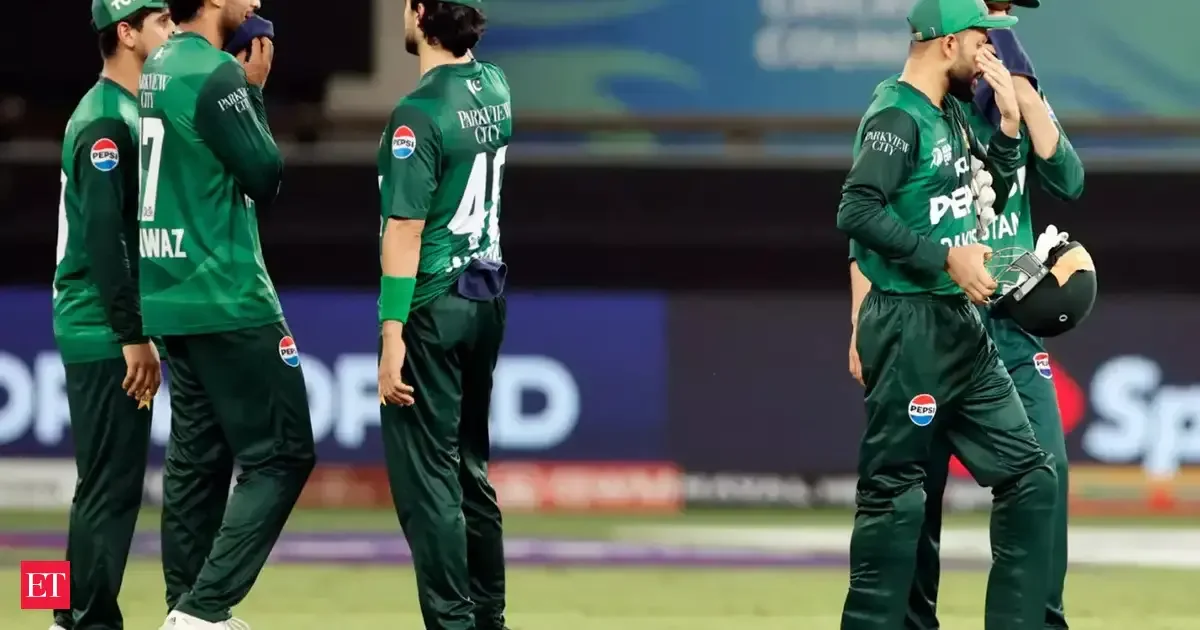
However, the current plea from Sri Lanka carries an unprecedented weight of economic urgency. The India-Pakistan T20 World Cup fixture is not just another match; it's a financial juggernaut. SLC has emphasized the enormous public interest, evidenced by strong ticket demand and finalized commercial, operational, logistical, and security arrangements. The letter from SLC President Shammi Silva to the PCB explicitly warned of catastrophic financial consequences, including the loss of anticipated tourism inflows and broader economic fallout.
| Aspect | Pakistan's Position | Sri Lanka's Plea |
|---|---|---|
| Match vs. India | Boycott mandated by government. | Urges reconsideration due to economic impact. |
| T20 WC Hosting | Participating, but not playing India. | Has finalized all arrangements, eager to host. |
| Economic Impact | Not directly cited as a primary concern. | Warns of severe financial fallout, loss of tourism. |
| Past Support | Acknowledged Sri Lanka's past solidarity. | Reminds PCB of past cooperation and support. |
| Decision Process | PCB to consult government. | Hopes for a decision influenced by economic reality. |
Read More: India vs Pakistan Match in T20 World Cup 2026 Will Happen
This stark contrast highlights a critical divergence. While Pakistan's decision appears to be rooted in political or strategic considerations, Sri Lanka's appeal is deeply pragmatic, focused on salvaging its fragile economy.
The Shadow of Politics: Why the Boycott?
The lack of a clear, public reason for Pakistan's mandated boycott of the India match in the T20 World Cup is, frankly, suspicious. What specific political or security calculus dictates such a drastic measure, especially when it jeopardizes a tournament's most anticipated fixture and creates diplomatic ripples?
Could this be a performative act to appease domestic sentiments?
Is there an unspoken geopolitical tension that the PCB is being forced to acknowledge?
Why is the Pakistan government the ultimate arbiter of the national team's on-field conduct in an international sporting event?
The Pakistan Cricket Board, in essence, seems to be reduced to a messenger, relaying its government's decree. This raises questions about the autonomy of sporting bodies and the extent to which national governments can or should interfere in international sports. The fact that the PCB has assured SLC that a decision will be made after consulting the government, as reported by PTI, underscores this power dynamic.
Read More: Ships in [Name of Waterway] Have Close Call; Nations Blame Each Other
A Floodgate of Financial Ruin or a Moment of Diplomatic Courage?
Sri Lanka's warning about massive economic fallout is not to be taken lightly. The island nation has been through significant economic turmoil, and events like the India-Pakistan cricket match are vital for tourism, revenue generation, and overall economic morale. The potential loss of revenue from ticket sales, hospitality, and associated tourism could be a severe blow.
"This includes hospitality planning and the sale of match tickets. Sri Lanka warned the PCB that non-participation in the match would have catastrophic financial consequences for the country, including the “loss of anticipated tourism inflows and broader economic fallout.”" - (As reported by Newswire, cited in HT)
Ticket Sales: High demand signifies substantial revenue potential.
Tourism: The match is a significant draw for international and local tourists.
Economic Ripple Effect: Loss of revenue impacts hotels, transport, and ancillary businesses.
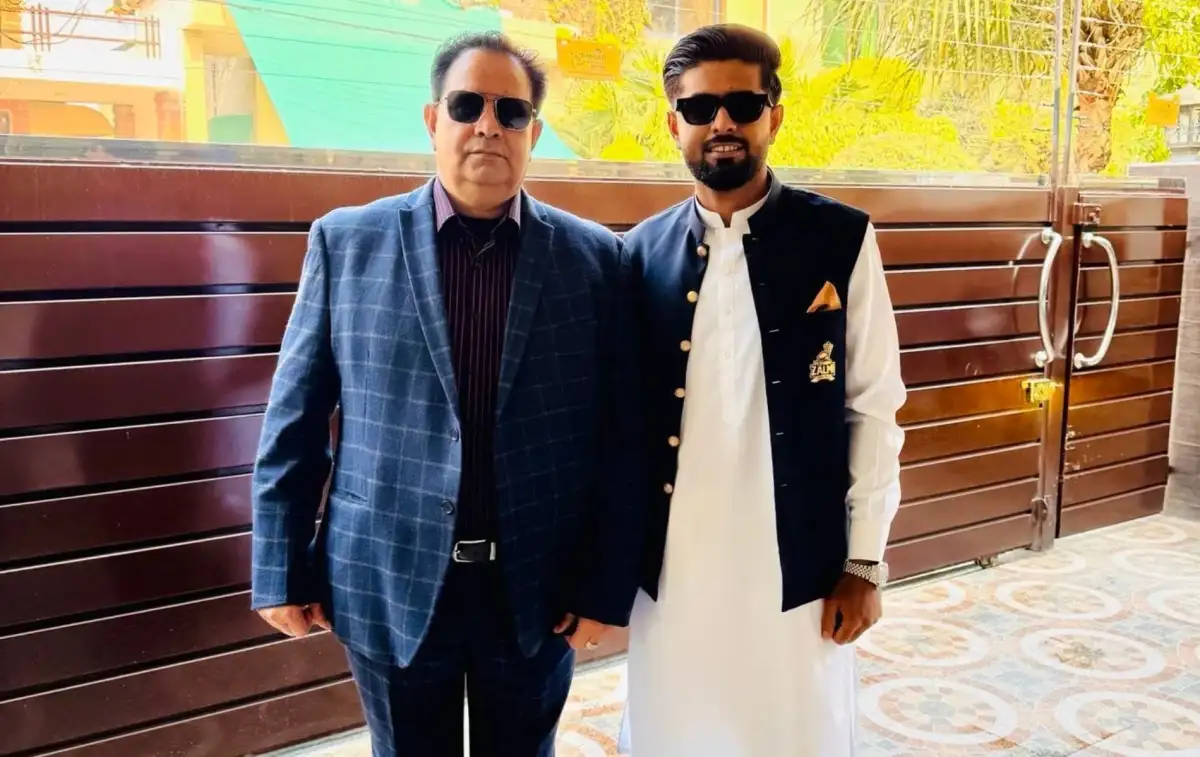
Read More: Babar Azam's Father Speaks Out, Causes Debate Among Cricket Stars
Is Sri Lanka essentially holding the lucrative India-Pakistan encounter as an economic hostage to ensure Pakistan's participation? Or are they genuinely appealing to a sense of shared responsibility and mutual benefit within the cricketing fraternity? The urgency in their tone, highlighting the unprecedented public interest and significant commercial expectations, suggests a genuine fear for their economic stability.
The Double-Edged Sword of "Reciprocity"
SLC's reminder of its past support, particularly during sensitive times, is a calculated move. They are appealing to the concept of reciprocity – the idea that when one party provides assistance, the other is expected to reciprocate. This argument, combined with the stark economic warnings, places immense pressure on the PCB and, by extension, the Pakistani government.
"SLC added that it now expects the same sense of reciprocity, stressing that Sri Lanka has provided full assurances on security, neutrality, and professionalism for all matches hosted in the country." - (Deccan Chronicle)
Read More: India and US Agree on Trade Deal After Tariff Fights
However, what constitutes "reciprocity" in this context? Is it an obligation for Pakistan to play this specific match, regardless of their government's directives? Or is it a more abstract expectation of goodwill? The PCB's assurance to SLC that the request will not be dismissed without due consideration is a diplomatic nicety, but the ultimate decision rests with the government.
Unanswered Questions and the Road Ahead
This saga leaves a trail of critical questions hanging in the air:
What is the definitive reason behind the Pakistan government's directive to boycott the India match? Is it purely political, or are there underlying security concerns that haven't been fully disclosed?
How much leverage does the Sri Lankan government have in this situation? Will their economic plight sway the Pakistani government's decision?
What are the implications for the ICC and broadcasters? The T20 World Cup is a major commercial venture, and the absence of the India-Pakistan clash represents a significant financial and viewership loss. Will they intervene?
Does the PCB have any genuine autonomy in making this decision, or is it merely a pawn in a larger political game?
What happens if Sri Lanka faces significant economic losses due to this boycott? Will there be any form of compensation or international outcry?
Will this incident set a precedent for other nations to use sporting events as political tools, or as economic bargaining chips?
Read More: England Captain Says "Thank God" After Losing to West Indies
The PCB's consultation with the government is not an indication of a decision-making process; it's a procedural formality. The real power lies with the state. Sri Lanka's desperate economic plea, coupled with reminders of past solidarity, is a powerful narrative. But in the realm of international politics and sports, economics and history often take a backseat to the unyielding dictates of national interest, whatever those may be perceived to be. The coming days will reveal whether cricket can transcend politics and economics, or if it will be further subsumed by them.
Sources:

)
)