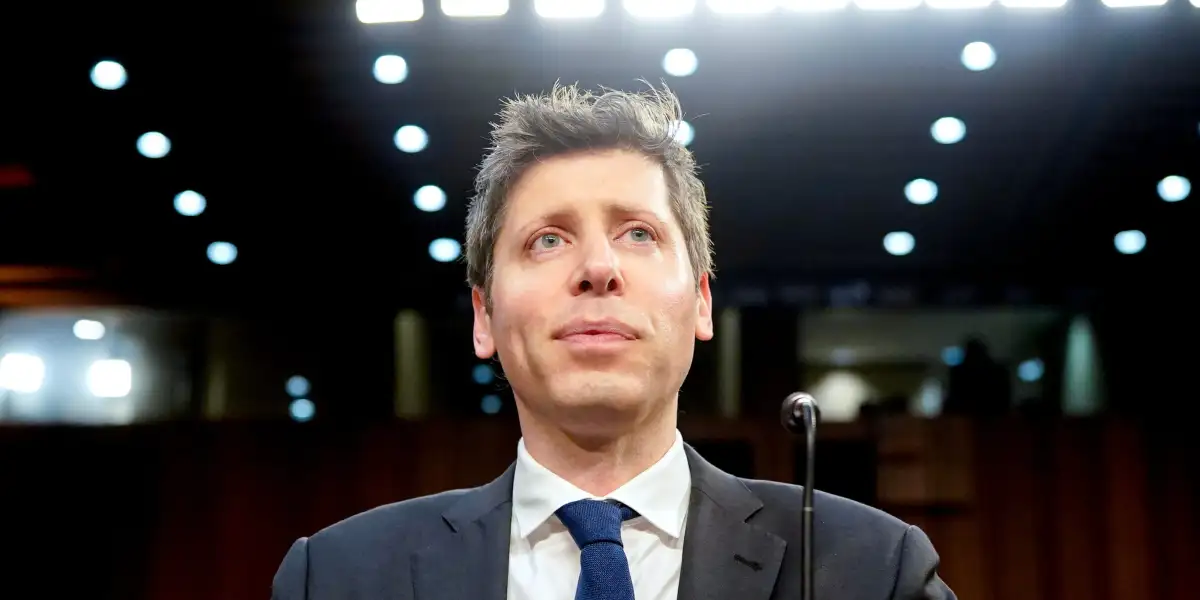
A federal jury in Oakland, California, reached a unanimous verdict yesterday, finding Sam Altman, Greg Brockman, and OpenAI not liable for claims brought by Elon Musk. The court ruled that Musk’s lawsuit—which alleged breach of contract and unjust enrichment regarding the organization's shift from a nonprofit mission to a commercial enterprise—was filed past the legal time limit.

The resolution of this three-week trial removes the primary judicial barrier for OpenAI to pursue a potential multi-billion dollar initial public offering.

Court Findings and Strategic Fallout
The jury also cleared Microsoft of any wrongdoing regarding accusations of aiding and abetting the restructuring of OpenAI. While Musk has signaled his intent to appeal, Judge Gonzalez Rogers confirmed the court’s agreement with the jury’s findings.

| Party | Legal Standing | Key Defense/Claim |
|---|---|---|
| Sam Altman / OpenAI | Not Liable | Claims of breach are time-barred; transition was necessary |
| Elon Musk | Plaintiff (Loss) | Alleges abandonment of charitable trust; intent to appeal |
| Microsoft | Not Liable | Co-defendant found free of complicity in contract breach |
Evidence and Testimony: Throughout the trial, the court examined internal communications, including records regarding the early governance of OpenAI. Evidence presented included testimony regarding Musk’s early interest in merging OpenAI into Tesla.
Market Pressure: The legal victory comes as OpenAI faces mounting competition. Data from April indicates that rival firm Anthropic has begun to surpass OpenAI in specific sectors of business adoption.
Reputational Stakes: Both Altman and Musk faced significant public scrutiny during proceedings, with testimonies attempting to define the origins of the organization's governance and its eventual shift toward a for-profit subsidiary model.
Background and Context
The lawsuit originated from Musk’s contention that Altman and Brockman leveraged the nonprofit mission of the startup for private financial gain, violating the founding agreement to prioritize safe artificial intelligence for humanity.
Read More: Tim Cook final Apple WWDC 2026 keynote marks leadership change

OpenAI countered that the litigation was an attempt to influence the direction of the company, arguing that the statute of limitations had already expired. With the trial now concluded, focus shifts to the technical race for market share and the pending financial strategy for the company’s future in the public markets.