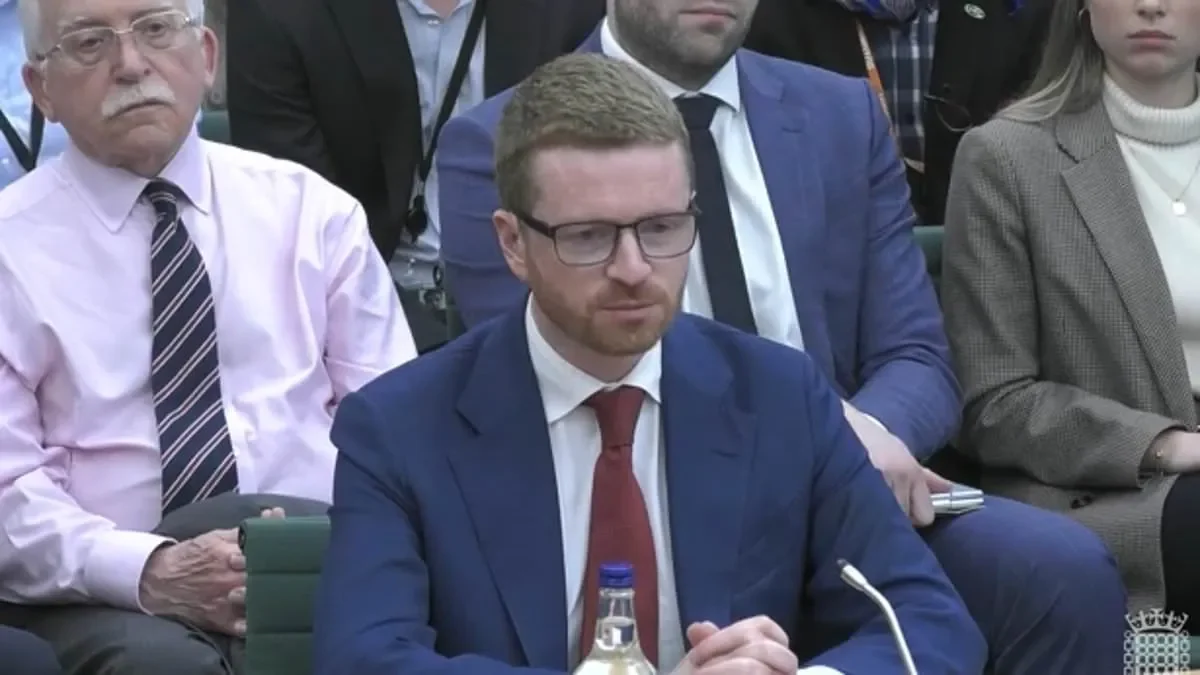
As of 19 May 2026, the United Kingdom faces an urgent attempt to quantify its internal fracture. A new initiative titled the National Conversation has been launched to collect public testimony regarding the country's shared identity, spurred by persistent warnings from senior political figures that the state exists in a state of "peril."

The Mechanics of the Inquiry
The project, which carries support from the Ministry of Housing, Communities and Local Government, seeks to move away from Westminster-centric policy-making by soliciting direct input from citizens.

Data Collection: Participants are invited to complete a 10-minute digital survey and provide a 60-second voice recording detailing their outlook on the nation’s future.
The Goal: The initiative intends to map what it means to be British, English, Scottish, or Welsh in a landscape defined by regional and cultural variation.
Advisory Influence: The project design includes input from cultural figures such as playwright James Graham, known for exploring national identity through theatre.
The Spectre of Disintegration
Former politician Sir Sajid Javid has framed this effort as a vital intervention against mounting civil instability. He characterises the current climate as a "powder keg," pointing to a sharp rise in both antisemitism and Islamophobia as primary drivers of fragmentation.
"That is not the kind of society that anyone wants to live in, and I think all politicians have a responsibility to lessen tensions." — Sir Sajid Javid
Strategic Context and Historical Tensions
The push for this national audit is not a spontaneous event but a reactive response to a long-standing erosion of Social Cohesion following significant social disturbances in 2024.
Read More: Taiwan Holds Nantou County Drills to Prepare for State Collapse
| Phase | Timeline | Primary Driver |
|---|---|---|
| Initial Unrest | Summer 2024 | Large-scale civil disturbances |
| Escalation | July 2025 | Identification of the UK as a "powder keg" |
| Response | May 2026 | Launch of the National Conversation project |
The project’s architects suggest that a decline in public trust stems from a perceived lack of "voice and stake" in the state. By crowdsourcing these experiences, the commission hopes to identify the specific fault lines—ranging from public religious expression to the appeal of fringe political movements—that threaten the continuity of the United Kingdom. Whether this institutional listening exercise can resolve these structural differences, or if it merely formalises the observation of a widening chasm, remains the central ambiguity of the enterprise.