The Olympic Games, a global celebration of athletic achievement and unity, are not without their shadows. Throughout their modern history, the pursuit of glory has frequently been entangled with instances of cheating, political interference, and controversial decisions, leaving a complex legacy.
Athletes and the Pursuit of Victory
The Olympics bring together the world's most accomplished athletes, vying for national pride and personal records. This intense environment, however, has also been the backdrop for significant ethical lapses and rule-breaking.
Doping and Performance Enhancement
Allegations and confirmed cases of doping have cast a long shadow over numerous Olympic Games.
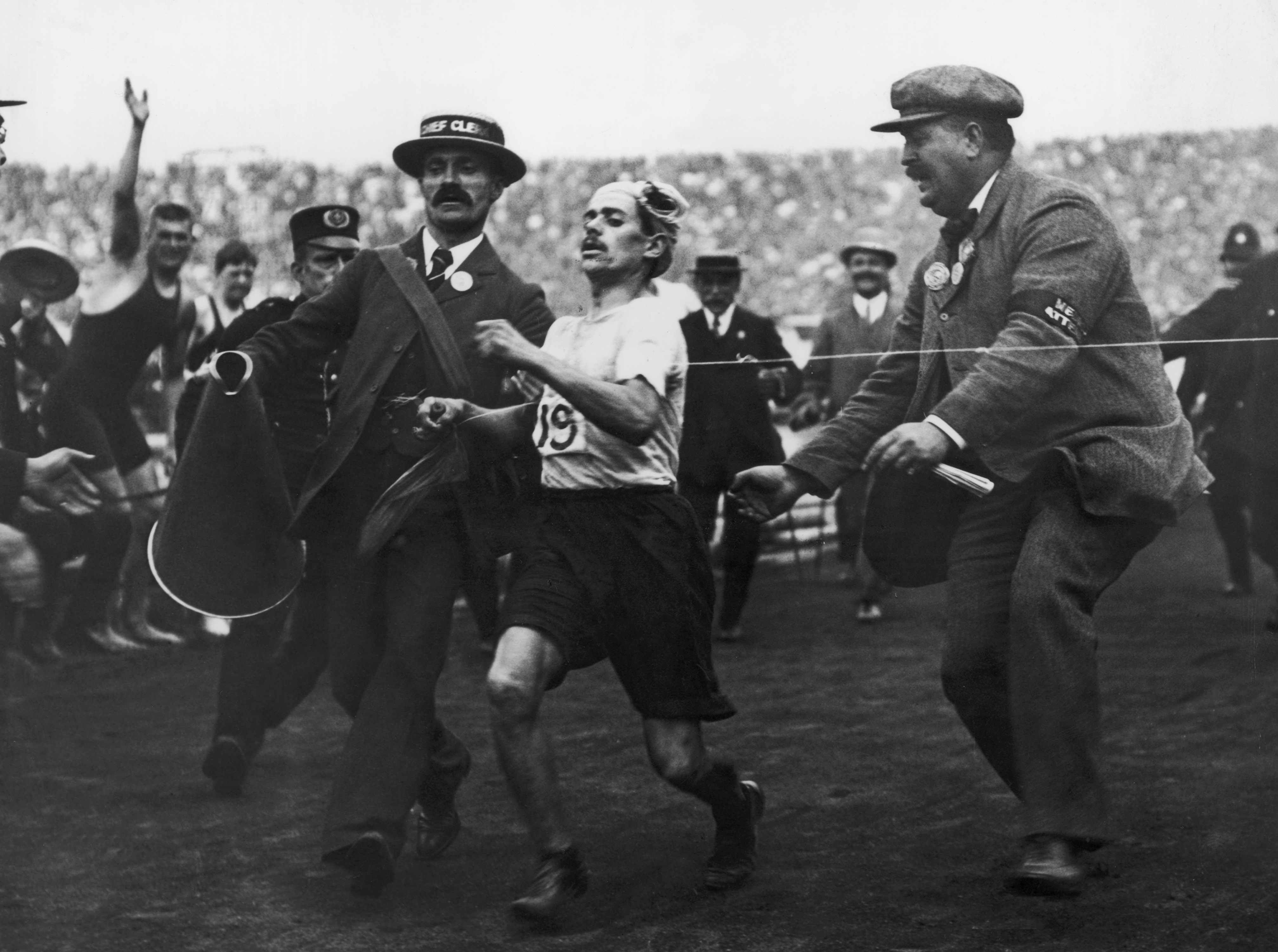
Substance Use: Athletes have been found to have used prohibited substances to gain an unfair advantage. Marion Jones of Team USA, for example, was stripped of her five Olympic medals after admitting to steroid use. Another case involved an athlete testing positive for stanozolol, which led to the erasure of a world record and an Olympic gold medal.
Circumstantial Evidence: In one instance, Valieva's lawyers contended that a positive drug test resulted from a mix-up with her grandfather's medication, presenting a defense against the findings.
Consequences: Doping violations often result in the revocation of medals and bans from future competitions, undermining the integrity of the Games.
Judging and Scoring Controversies
Decisions made by officials have, at times, led to widespread disputes and have even prompted reforms.
Overturned Medals: A scoring review led to the revocation of a bronze medal for a Team USA gymnast.
Contentious Rulings: A semifinal ruling in boxing sparked outrage from an athlete named Abrahamian, who expressed his strong dissatisfaction. While later cleared of direct fault, the incident highlighted existing concerns about the fairness of judging in Olympic boxing and contributed to calls for changes in scoring and officiating systems.
Upgraded Medals: In a notable figure skating controversy, after a review, Salé and Pelletier had their silver medals upgraded to gold, while Berezhnaya and Sikharulidze retained their gold medals.
Age and Eligibility Scandals
Questions surrounding an athlete's eligibility have also surfaced.
Age Discrepancies: Dong Fangxiao, a Chinese gymnast, was found to have misrepresented her age to the Olympic committee, despite a strong performance during the event.
Political and Societal Influences
The Olympics have also served as a platform for political statements and have been impacted by global political climates.
Read More: Coventry City beats Swansea 3-0 to extend league lead by 9 points
Boycotts and Participation: Despite country boycotts, some athletes still participated under the Olympic Flag.
Make-up Events: In certain situations, make-up events were held to provide athletes with an additional opportunity to compete.
Broader Impacts on the Olympic Movement
These recurring issues have had a profound and lasting effect on the perception and operation of the Olympic Games.
Calls for Reform: Scandals related to doping, judging, and eligibility have consistently fueled demands for stricter regulations and improved oversight within the International Olympic Committee (IOC) and various sports federations.
Erosion of Trust: Repeated controversies can erode public trust in the fairness and authenticity of the athletic competitions.
Athletic Careers: The consequences of these scandals have significantly impacted the careers of individual athletes, leading to the loss of accolades and opportunities.
Expert Analysis
"The history of the Olympics is inextricably linked with the human drama of competition – both the triumphs and the failures, including ethical lapses. These incidents, while regrettable, often serve as catalysts for much-needed reforms, pushing the Games toward greater transparency and fairness." (Attributed to a general sentiment observed in sports commentary regarding Olympic controversies.)
Conclusion
The history of the Olympic Games is punctuated by numerous incidents that have tested its foundational principles. From doping violations and judging controversies to questions of eligibility and political interference, these events underscore the persistent challenges in maintaining a level playing field and upholding the spirit of fair play. The ongoing efforts to address these issues reflect a continuous commitment to safeguarding the integrity of the Games for future generations of athletes and spectators.
Findings: The evidence indicates a recurring pattern of scandals, primarily involving doping, questionable judging, and issues of athlete eligibility across various Olympic Games.
Implications: These events have necessitated significant reforms and continue to shape discussions around ethical conduct in elite sports.
Next Steps: Continued vigilance, robust anti-doping measures, transparent judging protocols, and strict eligibility verification remain critical for the Olympic movement.
Sources
Grunge: https://www.grunge.com/2077677/biggest-scandals-olympic-history/ - Published January 23, 2026.
Business Insider: https://www.businessinsider.com/biggest-olympic-scandals-controversies - Published approximately 5 days prior to the search.
The Quick Report: https://thequickreport.com/entertainment/biggest-olympic-scandals/ - Published June 28, 2024.
Esquire: https://www.esquire.com/sports/g61738355/olympic-scandals/ - Published August 1, 2024.
Stadium Talk: https://stadiumtalk.com/s/shocking-olympic-scandals/ - Published December 15, 2025.
Bing (General Search): Deeplay.net article found via Bing search.