Many athletes who compete on the global stage of the Olympics balance demanding training schedules with conventional employment. These "day jobs" span a wide range of professions, from healthcare and engineering to finance and entertainment, often serving as vital financial support for their athletic careers.

Background
Olympic athletes dedicate significant time and effort to training, often requiring them to secure employment to fund their Olympic journeys. The nature of these jobs can vary widely, from part-time work to professional careers, and sometimes serve as a crucial bridge to cover training, travel, and living expenses.

Documented Professions
Several Olympians have day jobs that are publicly known. Evidence from multiple sources indicates the following:

Healthcare Professionals:
Tara Peterson, a curler, is a dentist.
Her sister, Tabitha Peterson, also a curler, is a pharmacist.
One athlete is described as a "top Harvard-grad doc," suggesting a medical career, though a specific name is not provided.
Kat Holmes, a US Olympic fencer, is a medical school student.
STEM and Finance:
Canyon Barry, a US Olympic basketball player, works as a systems engineer.
Justin Best, a rower, is employed in finance. He is noted for being reserved about the specifics of his role.
Service and Entertainment:
Morelle McCane, a US boxer, previously worked as a birthday-party clown.
An unnamed athlete mentioned walking dogs as a means to finance her Olympic journey.
One athlete's profile indicates she advertised merchandise, including stickers and t-shirts, for sale on her website to subsidize costs.
Other Professions:
Alex Deibold, an Olympic athlete, was involved in helping other riders, suggesting a role in coaching or mentorship.
Anne Cebula, a US Olympic fencer, is a model.
Aly Bull, an Australian Olympic canoeist, is a firefighter.
One athlete is identified as a breeding director at Magnolia Sport Horses and owns two horse farms, indicating a role in equine management and business.
Financial Support Mechanisms
The financial needs of Olympic athletes are often met through a combination of sources:

Personal Income: Many athletes rely on their day jobs to cover expenses not fully supported by their sport's governing bodies.
Sponsorships and Earnings: Some athletes generate income through sponsorships, endorsements, and the sale of merchandise. For instance, one athlete's profile highlights merchandise sales to cover training and travel.
Team and National Support: While personal income is often necessary, the U.S. Ski and Snowboard team, for example, now covers some training and travel expenses for its athletes, though personal costs, like travel for a coach, may still be borne by the athlete.
Motivations and Aspirations
Athletes pursue these diverse professions for several reasons:
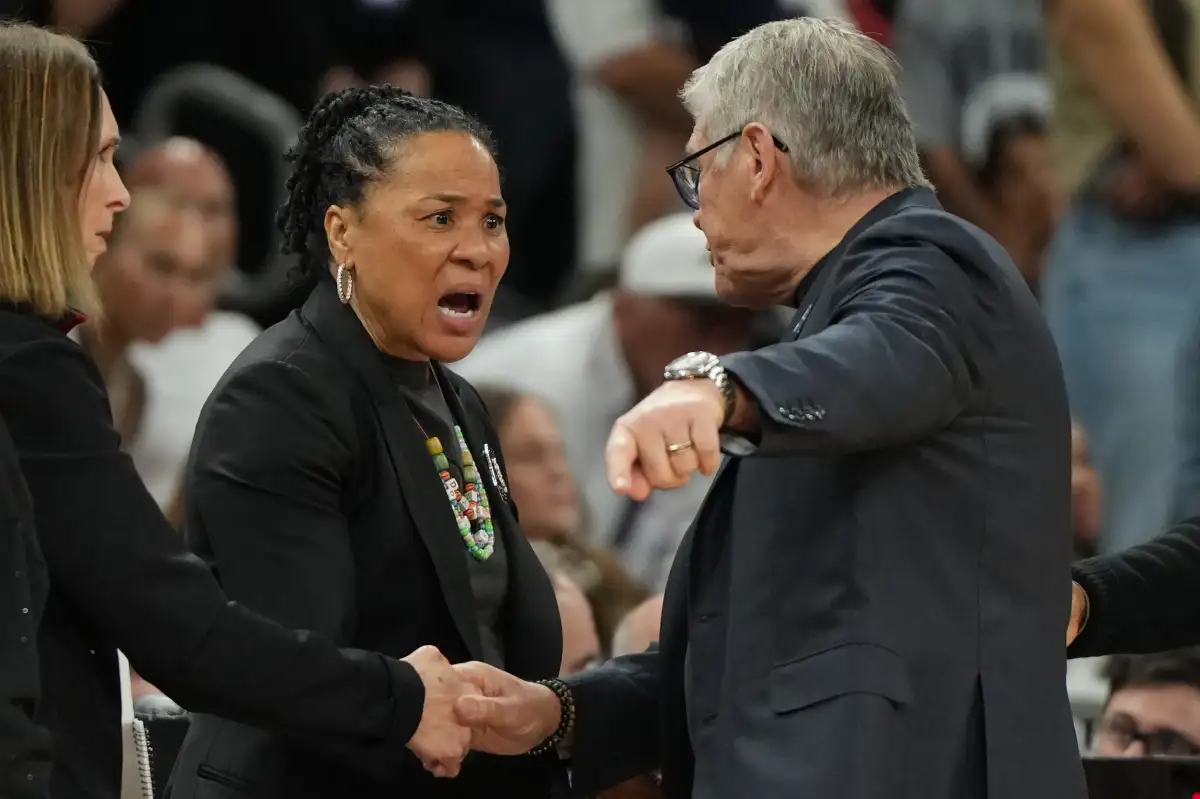
Read More: Geno Auriemma apologizes to South Carolina staff and players after game
Financial Necessity: A primary driver is to fund the significant costs associated with elite athletic training and competition.
Career Development: Some athletes view their "day jobs" as integral to building a long-term career alongside or beyond their athletic pursuits.
Passion and Balance: For some, these jobs represent a passion or a way to maintain balance outside of their sport. One athlete is quoted saying, "I don’t like training all the time," suggesting a desire for varied activities.
Conclusion
The landscape of Olympic athletes' employment reveals a dedication that extends beyond the field of play. These individuals demonstrate a capacity to excel in demanding professions while simultaneously pursuing peak athletic performance. The array of jobs underscores the multifaceted nature of athletes' lives and the strategic planning required to achieve success on the Olympic stage.
Sources
Business Insider: Published Feb 11, 2026. https://www.businessinsider.com/olympic-athletes-day-jobs-2026-2
BuzzFeed: Published Jul 21, 2024. https://www.buzzfeed.com/kristenharris1/olympic-paralympic-athletes-day-jobs
Best Life Online: Published Aug 2, 2024. https://bestlifeonline.com/olympic-2024-athletes-who-have-real-jobs-back-home/
CBS News: Published 18 hours ago (as of input date). https://www.cbsnews.com/news/2026-winter-olympics-athletes-day-jobs-realtor-dentist-barista/
E! Online: Published Aug 3, 2024. https://www.eonline.com/news/1405699/olympic-athletes-surprising-day-jobs-from-birthday-party-clown-to-engineer
The Sun: Published Aug 7, 2024. https://www.thesun.co.uk/sport/29746878/olympics-superstars-day-jobs-engineer-doctor-clown/