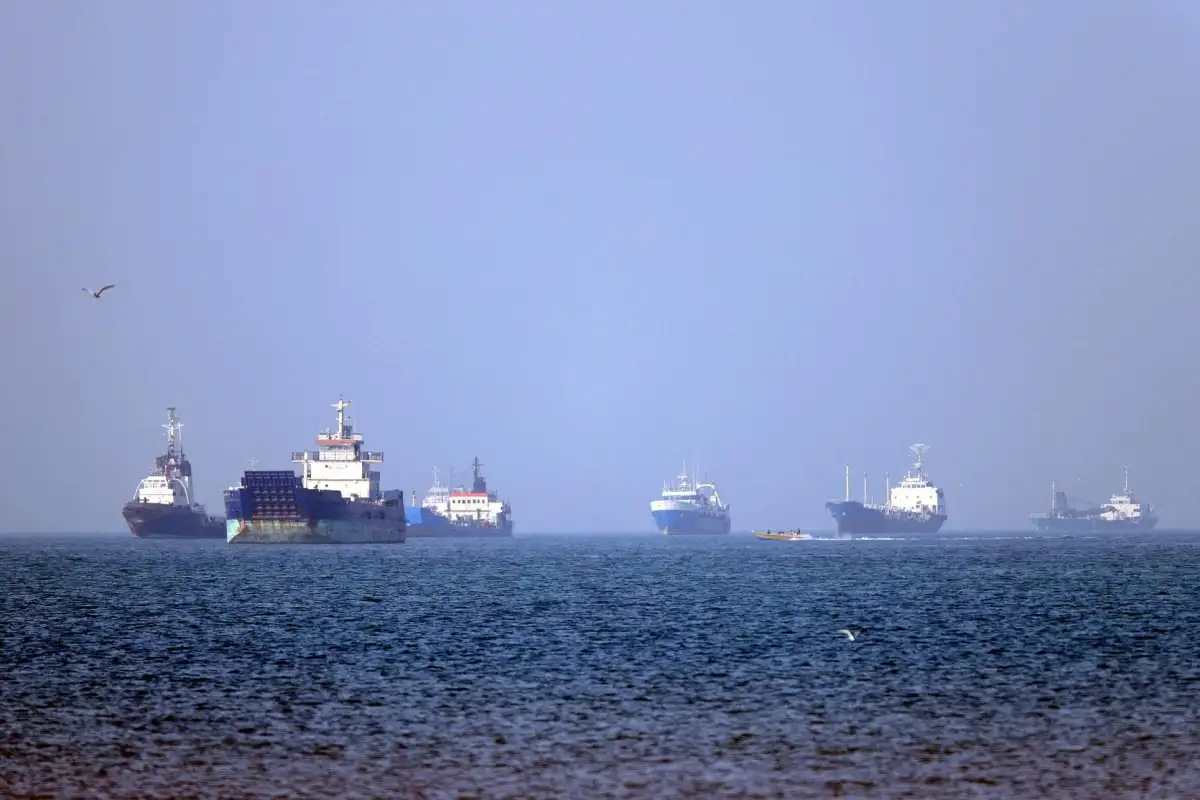
Global energy markets face a critical inflection point as oil inventories are projected to reach record lows within the next two to three weeks. Industry analysis indicates that once these reserves hit a minimum threshold, physical Brent oil prices could experience a vertical spike, potentially testing the $150 to $160 per barrel range.

"You can debate whether that's going to hit… in two weeks or three weeks. Once you get to that point, then you'll see price shoot up." — Exxon Mobil executive report, May 28, 2026.
The core tension lies in the exhaustion of spare capacity and the ongoing disruption of the Strait of Hormuz. While some market observers previously banked on latent OPEC reserves, current data suggests those buffers are structurally insufficient to mitigate the loss of throughput.

Market Dynamics and Economic Fallout
The transition from high-price regimes to a full-scale commodity shock threatens to cascade across broader economic sectors.
Logistical Bind: Increased insurance costs and longer shipping routes are now embedded in daily price volatility.
Sector Exposure: High earnings leverage is expected for independent producers like Devon Energy, ConocoPhillips, and Apache Corporation, whereas service-side firms face more volatile, mixed outcomes.
Downstream Effects: An escalation to $150 will translate into immediate price hikes for diesel, jet fuel, and manufacturing, potentially outstripping historical inflationary measures.
| Metric | Current Status | Projected Impact ($150+ Scenario) |
|---|---|---|
| Inventory Levels | Depleting at record pace | Near-zero structural buffer |
| Hormuz Transit | Restricted/Contested | Extended supply-chain drag |
| Consumer Price | Elevated | Significant spikes in food/transport |
Background: The Mechanics of the Spike
The possibility of a parabolic move toward $150—or as some analysts have suggested, up to $200—stems from a structural breakdown in global supply chains. For months, markets relied on the hope of a diplomatic breakthrough regarding Iranian crude; however, the lack of a durable solution has left traders exposed to a raw, physical supply shortage.
Read More: FIFA World Cup 2026 Revenue Reaches $15 Billion With New Ticket Prices
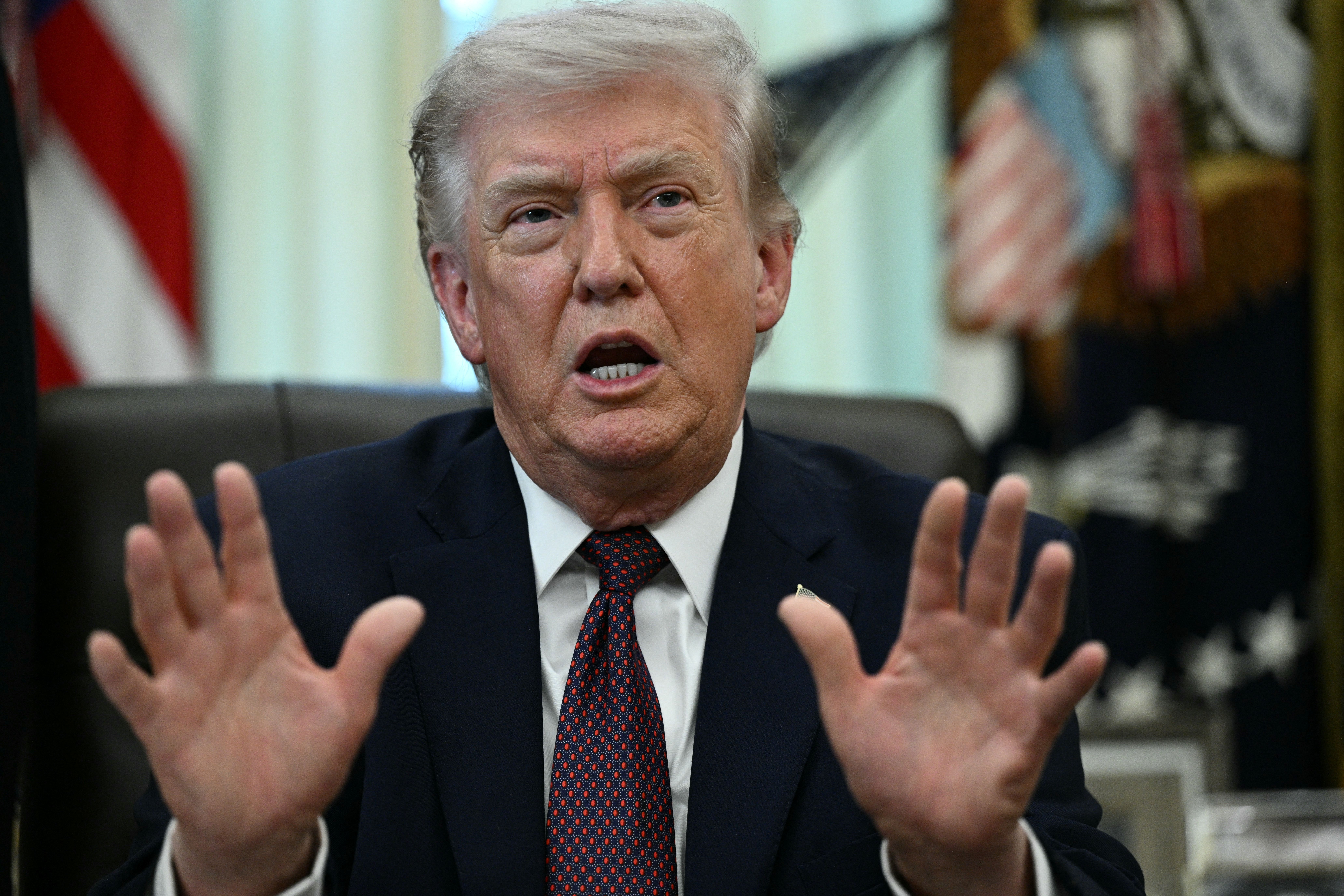
While the U.S. government maintains its role as a primary producer, administrative discussions regarding emergency powers and the National Energy Dominance Council signal an awareness that internal production capacity cannot immediately offset the volatility caused by the ongoing war in the Middle East. The consensus remains that while current prices reflect geopolitical tension, the actual "air pocket" in global supply has yet to be fully felt by the end consumer.