


Global markets convulsed this past week as crude oil prices rocketed to highs unseen since 2023, simultaneously battering stock values and casting a long shadow over U.S. employment figures. The abrupt surge in oil prices, intricately linked to escalating tensions in the Middle East and Iran's assertive actions, sent tremors through Wall Street, resulting in the sharpest market decline since October. This economic instability is punctuated by a weak U.S. job market update, further dampening investor sentiment.

The persistent rise in oil prices, directly attributed to the ongoing conflict with Iran, has reanimated inflation anxieties. This, in turn, pressures the Federal Reserve, with speculation mounting that interest rates may remain elevated to curb inflationary pressures. The financial world, from bond yields to equities, is visibly reacting to these volatile energy costs, with stock indexes in both the U.S. and Europe showing significant downward movement.
Read More: BrewDog Equity Punk Investors Lose Money as 38 UK Bars Close
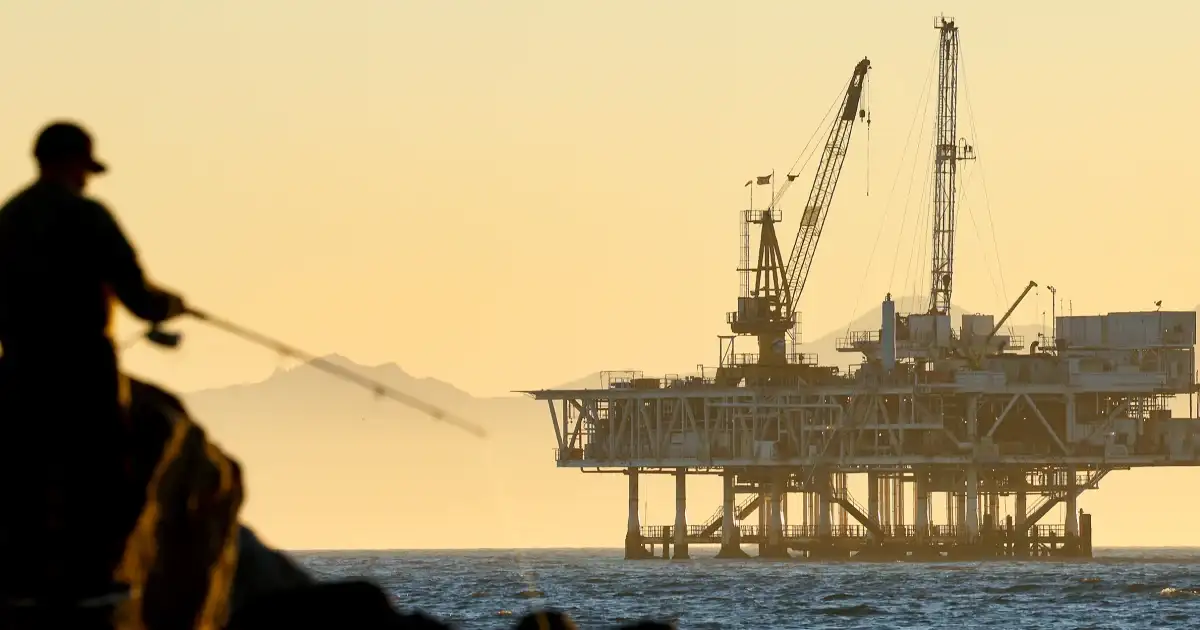
Markets Reel Under Dual Pressures
The Dow Jones Industrial Average experienced a notable plunge, shedding hundreds of points—including an almost 800-point drop on one particularly grim Thursday. Smaller companies, more susceptible to domestic economic health, bore the brunt of these market downturns. Airlines, too, faced substantial losses.
Conversely, there are voices in the market urging caution and discernment. Some strategists suggest that periods of decline might present buying opportunities. Meanwhile, gold is being eyed as a potential safe haven, its historical role as a value preserver during uncertain times lending it a certain appeal.
Geopolitical Currents Stirring Economic Waters
The intensification of conflict involving Iran across the Middle East has been a central driver of this economic volatility. Statements from Iranian commanders about closing the Strait of Hormuz, a vital artery for global oil transit, have heightened concerns about supply disruptions. This precarious situation is pushing Gulf states into closer alignment with the U.S.
Read More: Seven Day Iran War: Tehran Bombing Continues, US Israel Conflict Spreads
In an attempt to mitigate the risks, President Trump reportedly directed the U.S. International Development Finance Corporation to provide financial backing for maritime trade in the Gulf. The potential for U.S. naval escorts for oil tankers traversing the Strait of Hormuz has also been floated as a possible de-escalation tactic, though its immediate impact remains uncertain.
Background: A Week of Tumultuous Trading
The past week saw a confluence of factors impacting global financial landscapes. Oil prices, already on an upward trajectory due to geopolitical strains, accelerated their ascent. This coincided with a lackluster report on U.S. employment, painting a picture of an economy grappling with both external shocks and internal weaknesses. Bond yields exhibited erratic behavior, pulled in opposing directions by rising inflation expectations fueled by oil and the dampening effect of weak economic data. This intricate interplay between energy costs, inflation, interest rate policy, and geopolitical events continues to shape market sentiment and investment strategies.
Read More: New Coworking Spaces with Childcare Open in 2025 for Working Parents