


Timothée Chalamet, the lauded Oscar-nominated actor, has found himself at the center of a significant backlash following comments he made suggesting that ballet and opera are art forms that audiences "do not care about anymore." The remarks, made during a discussion about preserving cinema at the University of Texas in February, have drawn sharp criticism from across the performing arts world, including stage stars, opera houses, and ballet companies. While Chalamet's statements have been widely condemned, some organizations have seized upon the controversy as an unexpected 'marketing opportunity'.

The core of the controversy stems from Chalamet's assertion: "I don't want to be working in ballet, or opera, or things where it's like, 'Hey, keep this thing alive, even though like no one cares about this anymore.'" This statement, re-emerging and gaining traction online, has been interpreted as a dismissal of the cultural value and enduring public interest in these classical art forms. Performers and professionals within these fields have voiced their disappointment and disagreement, with some highlighting the profound human connection that live theater, including opera and ballet, offers.
Read More: Sayeeda Ali painting workshop in Visakhapatnam on July 4 2026

"What a shame that you don’t have respect for other art forms… which of course have also greatly influenced movies…"
This sentiment was echoed by figures such as ballet choreographer Kam Saunders, who reacted with a simple and pointed "Yikes." Opera performer Dean Murphy countered Chalamet's claim directly, arguing against the notion of a lack of interest and emphasizing the significant influence these art forms have had on cinema itself. Similarly, conductor Louis Lohraseb suggested that Chalamet demonstrates "true ignorance" and a lack of understanding regarding the dedication and mastery involved in these disciplines.
An Opportunity for Engagement?
Despite the widespread criticism, the controversy has also yielded unexpected outcomes. The Seattle Opera, for instance, ingeniously leveraged Chalamet's remarks to promote an upcoming performance of Carmen. This move, along with others, suggests that the dialogue around the perceived relevance of ballet and opera, however controversially initiated, has sparked considerable public engagement. Social media channels saw significant impressions, with some organizations reporting connections with thousands of individuals across various demographics through creative learning and participation initiatives.
Read More: Taylor Swift and Travis Kelce Marry at Madison Square Garden

The Lingering Echo
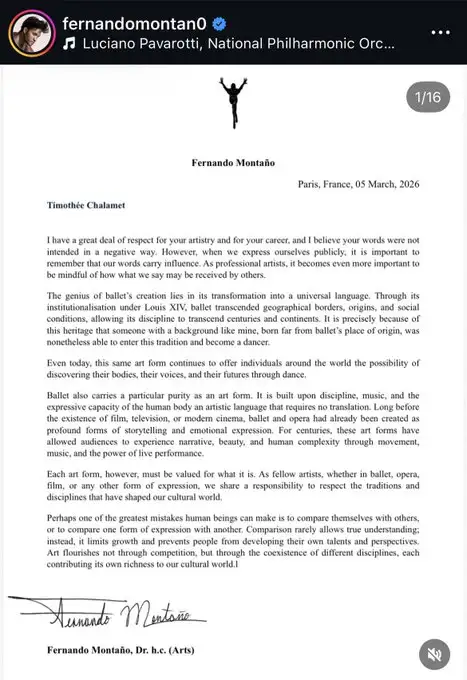
While Chalamet's comments were made some weeks ago, their resurgence online has reignited a debate about cultural preservation and audience perception. Dancers like Fernando Montaño, who has performed with the Royal Ballet, have penned open letters expressing their disappointment. These reactions underscore the passion and commitment within the ballet and opera communities, who see their work not as relics, but as vibrant, evolving art forms with deep historical roots and continued relevance. The conversation, though initiated by a celebrity's seemingly dismissive remark, has inadvertently amplified the voices of artists dedicated to keeping these traditions alive and engaging new audiences.
Background of the Controversy
The discussion originated from a broader conversation concerning the future of cinema and the challenges of audience engagement in the digital age. Chalamet's observations were part of a larger critique of industry trends and the perceived need for contemporary films to capture attention quickly. However, his specific comments regarding ballet and opera shifted the focus, leading to a passionate defense of these art forms by those who dedicate their lives to them and by audiences who continue to cherish them.
Read More: Actress Philippa Dunne Faces Audience 'Disgusting' Review




:max_bytes(150000):strip_icc():focal(799x0:801x2)/nyc-sky-taylor-swift-travis-kelce-wedding-070326-2dc0d912004b400eac2c8c8b5adeff2a.jpg)