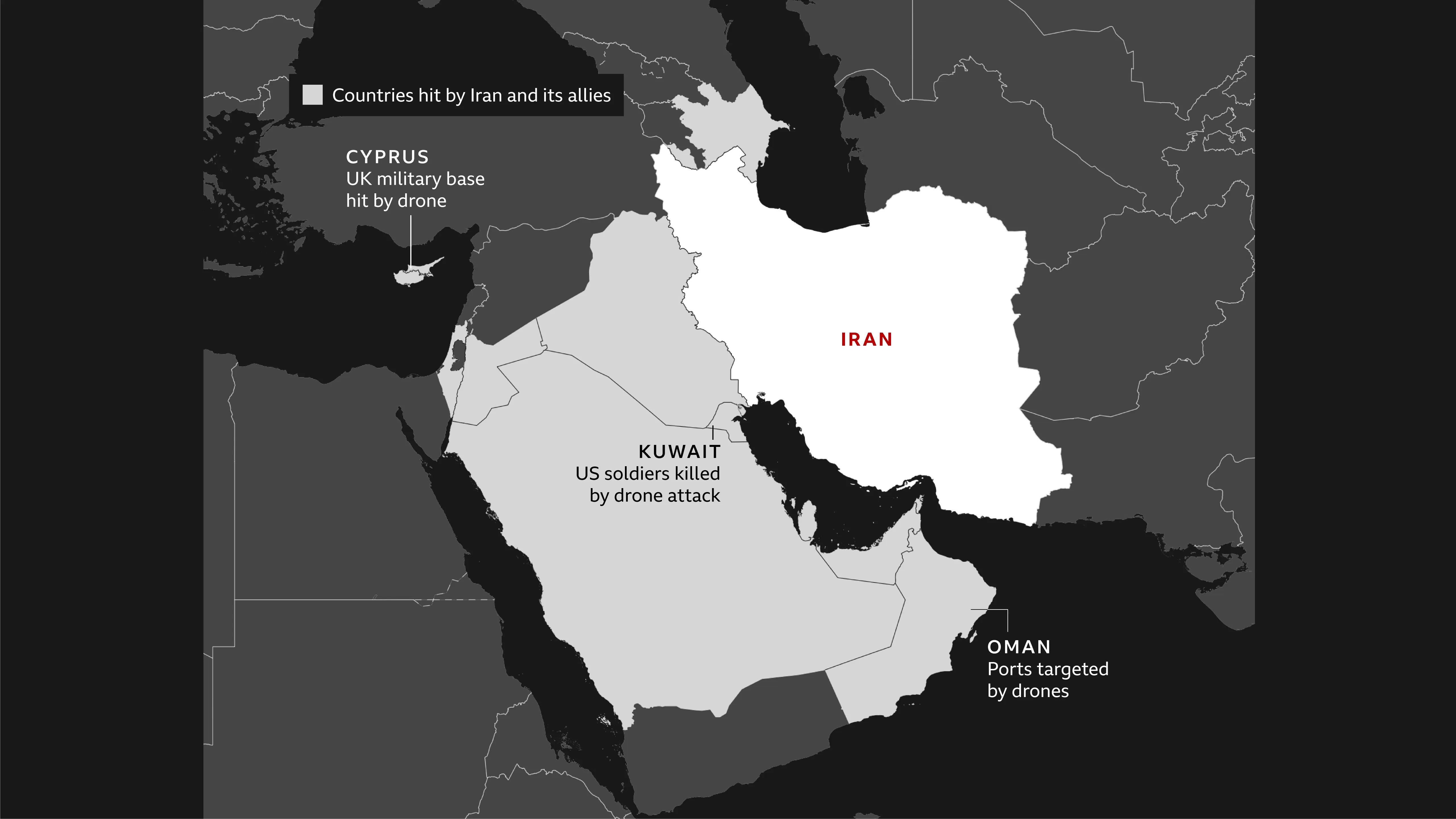
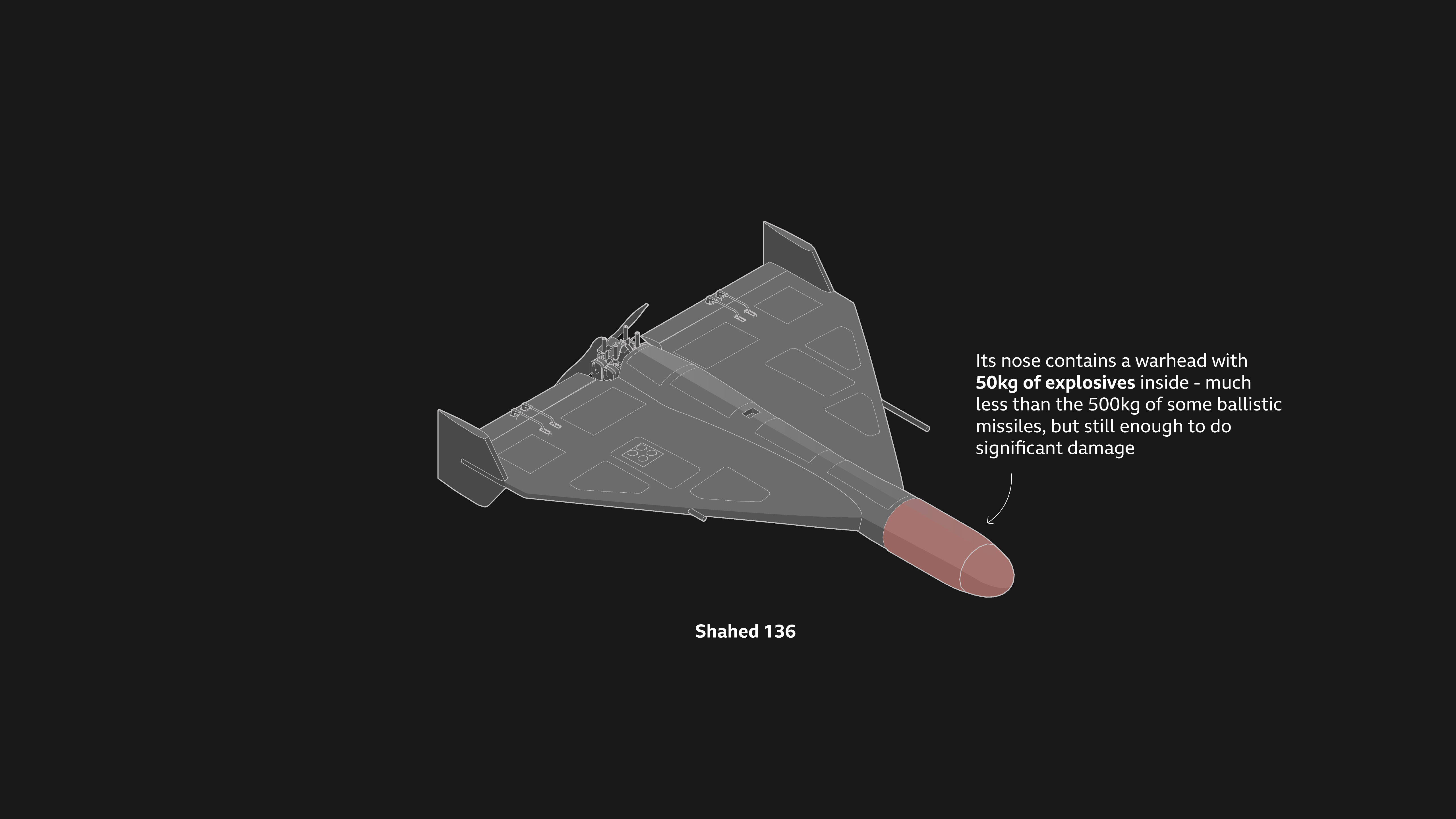
The proliferation of low-cost, expendable drones, notably Iran's Shahed series, is fundamentally altering regional warfare, forcing adversaries like the US and its allies to adapt their defense strategies. These unmanned aerial vehicles, described as "kamikaze" or "suicide" drones, are designed to overwhelm sophisticated air defense systems through sheer numbers, carrying explosive payloads that detonate on impact. Iran has unleashed thousands of these drones across the Middle East, while Russia has utilized them extensively in Ukraine, demonstrating their efficacy in saturating defenses and inflicting damage.
A New Equation in Combat
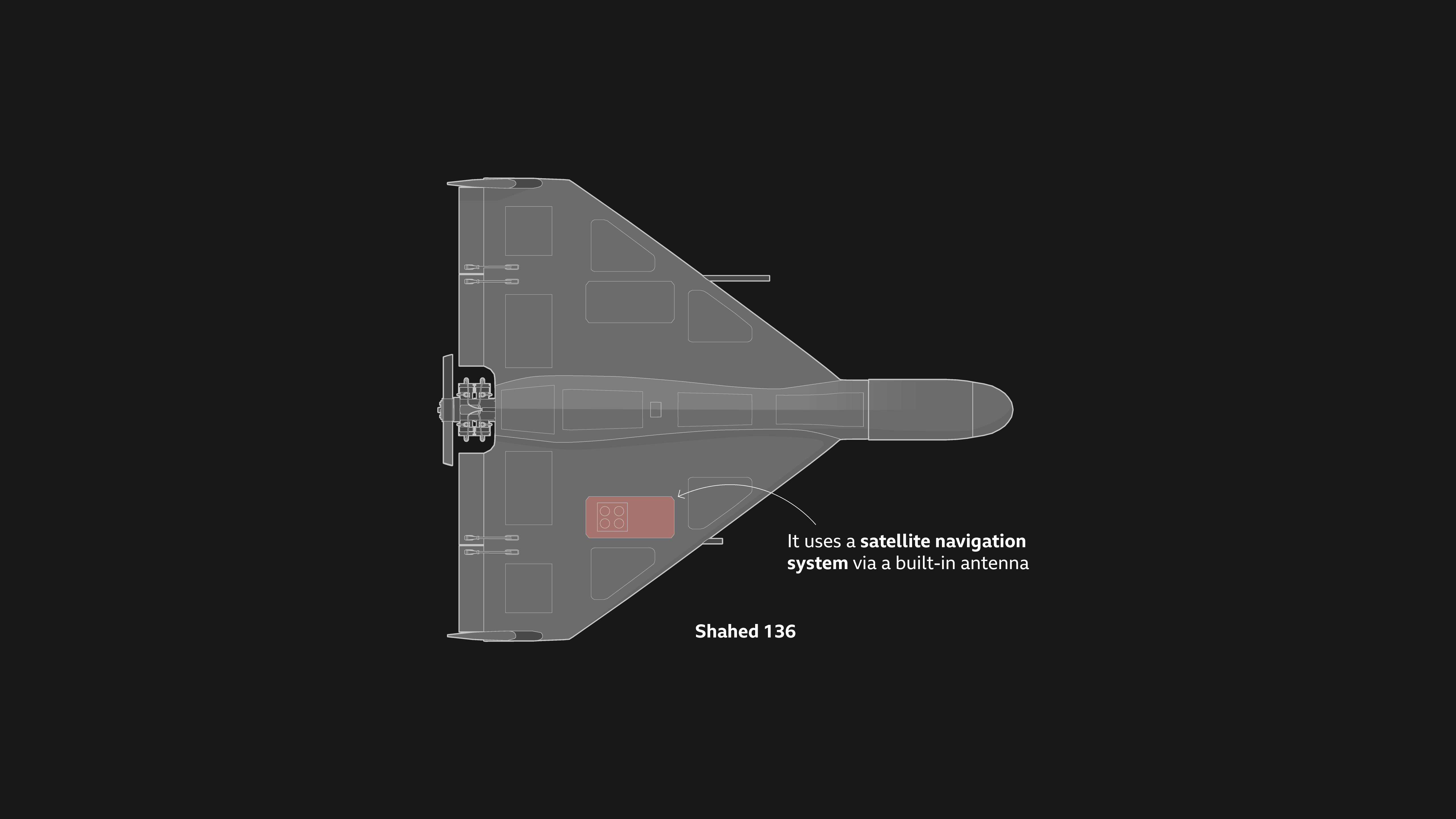
The battlefield is witnessing a shift as the cost-effectiveness and manufacturing speed of these drones outpace traditional, expensive defensive measures. Software advancements enabling autonomous flight and precision targeting are making low-cost drones a persistent fixture of modern conflict. This reality compels militaries to explore layered defense strategies, incorporating electronic warfare, mobile gun units, and interceptor drones to counter the swarm tactics employed by adversaries. The effectiveness of these drones, even with their inherent limitations such as size and specific capabilities, lies in their ability to disrupt and degrade enemy defenses, creating openings for other offensive actions.
Read More: US Halts Iran War for 2 Weeks; Congress May Not Approve
The US Response: Echoes of Adversity
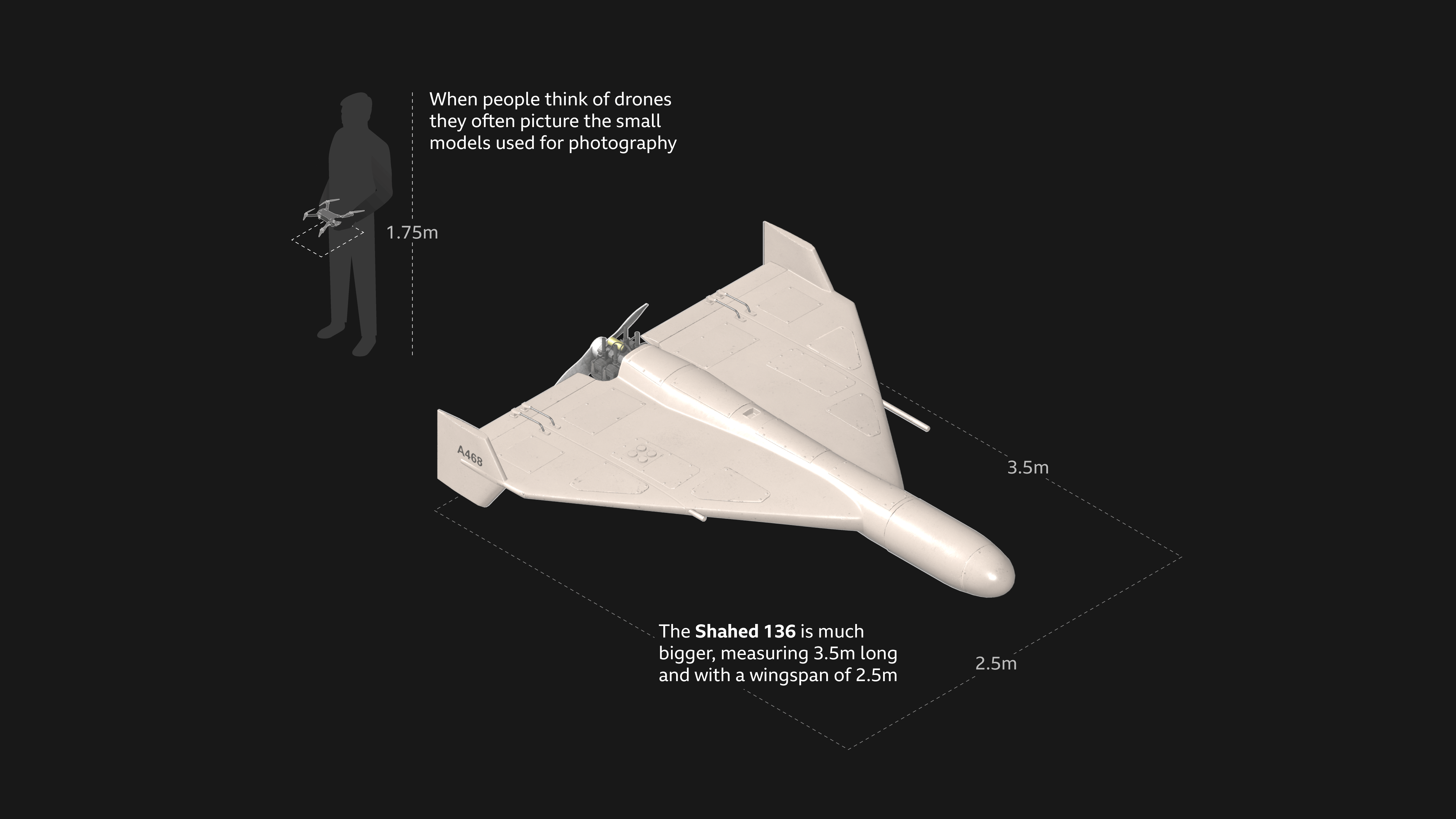
In a striking development, the United States has developed and deployed its own version of the Shahed drone, dubbed the Low-cost Unmanned Combat Attack System (LUCAS). This move signifies an acknowledgment of the strategic challenge posed by Iran's drone technology. The US deployment of these "copycat" drones to the Middle East appears aimed at mirroring Iran's own tactics and potentially "flipping the script" on their usage. The initial use of US-developed Shahed-model drones in combat, as confirmed by US Central Command, marks a significant escalation in this technological adaptation.
Global Footprint of the Shahed
Iran's Shahed drones, particularly the long-ranged Shahed-136, have become a cornerstone of Tehran's retaliatory capabilities against the US and its regional partners. The technology has also found its way to Iran's strategic allies, most notably Russia, which has integrated Shahed-131 and Shahed-136 variants into its protracted invasion of Ukraine. Ukrainian President Volodymyr Zelenskyy has indicated that his country has faced tens of thousands of such drones, highlighting their extensive deployment and the immense pressure they place on air defense networks.
Read More: Lithuania May Join US Plan for Strait of Hormuz Shipping
The Unforeseen Consequences
The "foreboding hum" of the Shahed-136 drone is now a sound of dread for soldiers and civilians alike across conflict zones. While the specific number of US-deployed drones remains undisclosed, Iran's relentless launch of over 2,000 low-cost drones in a bid to create regional chaos has been documented. The indiscriminate nature of these attacks has led to significant damage, with one drone strike on a base in Kuwait reportedly resulting in the deaths of six US troops. The long-term sustainability of Iran's drone offensive, however, remains a point of uncertainty.