

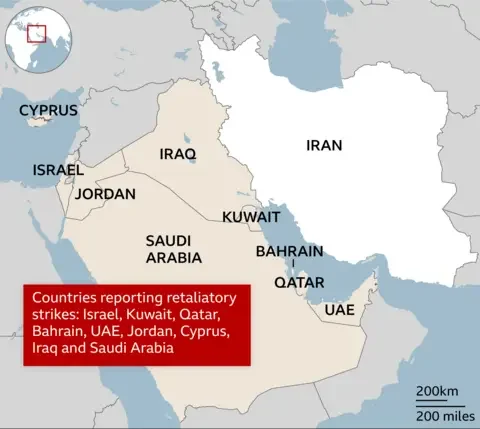
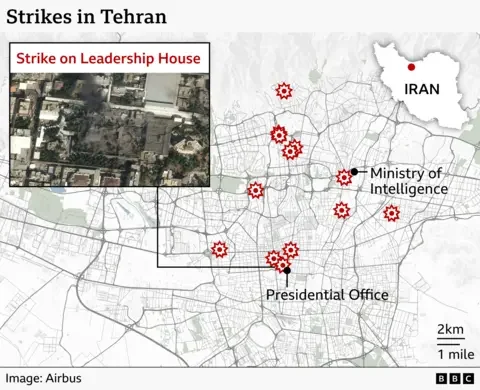
Military operations led by the United States and Israel against Iran have entered their seventh day, with sustained aerial bombardments targeting Tehran and multiple provincial centers. The conflict, dubbed "Operation Lion’s Roar," has expanded beyond Iranian borders, resulting in strikes across Lebanon, Bahrain, and the Strait of Hormuz.
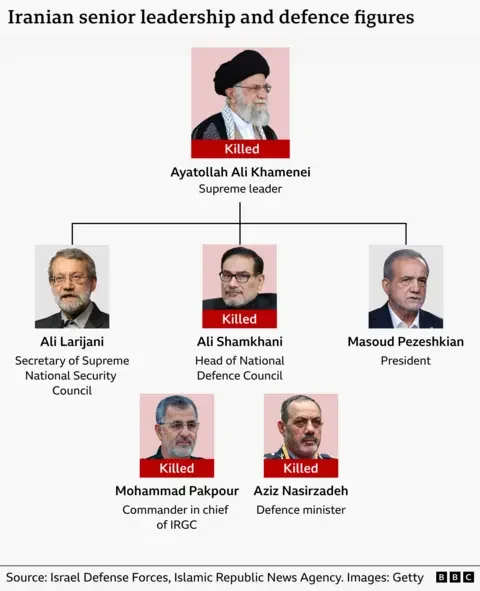
The strategic shift follows the confirmed death of Iran’s Supreme Leader, Ayatollah Ali Khamenei, during the opening phases of the offensive. With the state structure in flux, the Iranian government has vowed to appoint a successor while simultaneously engaging in a regional counter-offensive targeting US military installations and maritime traffic.
Conflict Snapshot: Status of Engagements
| Location/Target | Primary Activity | Current Status |
|---|---|---|
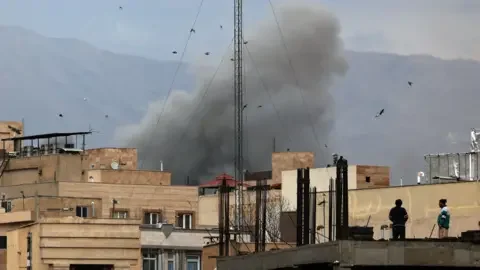
| Tehran | Heavy aerial bombardment | Ongoing strikes; communications disrupted |
| Lebanon | Israeli ground incursions | Clashes reported in Nabi Chit |
| Strait of Hormuz | IRGC maritime interdiction | Malta-flagged tanker Prima attacked |
| Saudi Arabia | Drone defense operations | 16 intercepted near Shaybah oil field |
Operational Details
The intensity of the campaign is evidenced by the scale of the target list, with the Israeli military reporting over 400 targets struck in a single day, including ballistic missile launch sites and unmanned aerial vehicle (UAV) storage depots. The United Nations has issued warnings regarding the volatility of the region, noting that the combat cycle is nearing a point of uncontrolled propagation.
Read More: Oil Price Rise to 2023 Highs Causes Stock Market Drop and Job Worries
Humanitarian Toll: Casualties continue to mount, with the Lebanese Health Ministry confirming at least 26 fatalities in the Bekaa Valley following recent raids. Six U.S. service members are confirmed killed since the inception of the hostilities.
Infrastructure Impact: Strikes have reportedly hit a covert nuclear compound and major oil infrastructure, including attempted drone attacks on the Shaybah oil field.
Political Framing: The objective, as stated by Donald Trump, remains "unconditional surrender" and a fundamental change in the Iranian administrative regime. Iran has maintained a defiant posture, rejecting surrender while offering a calculated apology to neighboring states, attempting to pivot its retaliatory focus toward U.S.-aligned military presence in the region.
Context and Background
The current hostilities, which escalated rapidly over the past week, represent the second major kinetic confrontation between the coalition and Iran within an eight-month period. Intelligence assessments suggest that the operational plans for this strike were finalized weeks prior to the commencement of the bombardment.
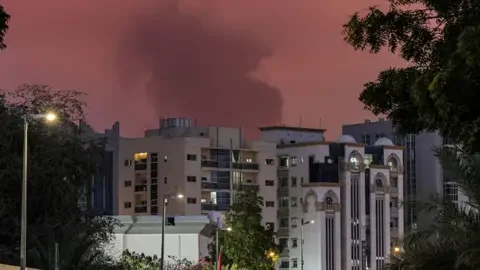
Reports indicate that Russia has supplied Tehran with intelligence data designed to assist in targeting U.S. military assets. This development marks an acceleration of the internationalized nature of the conflict. Meanwhile, in Iran, the transition of power remains the central internal hurdle as the nation begins formal mourning for the late Supreme Leader, amid widespread mobile network outages and a state of national emergency.