Chip Giant's New Platform Sparks Analyst Optimism Amidst Market Scrutiny
Bernstein analysts have firmly staked their claim on Nvidia's future, reiterating a Buy rating and projecting a $300 price target for the chipmaker. This bullish stance is largely predicated on the anticipated impact of the company's forthcoming Vera Rubin platform, heralded as a "monster" and a "watershed moment" for artificial intelligence infrastructure. The firm's analyst, David Dai, points to substantial projected gains in inference and training performance as key drivers, underscoring a belief that Nvidia is poised for continued dominance.

The Vera Rubin platform, slated for release in the latter half of 2026, is projected to deliver a fivefold increase in inference performance and a 3.5-fold improvement in training speeds compared to Nvidia's existing architecture. Bernstein's analysis suggests that despite Nvidia's considerable market capitalization, now standing at $4.86 trillion, its valuation remains attractive. The stock is trading at approximately 15 times its projected 2027 earnings, a figure notably lower than the sector average of around 20 times. This projection hinges on achieving over $12 in earnings per share for calendar year 2027, a milestone Bernstein now considers "very plausible."
Read More: Proton 11 Beta Fixes EA Games on Linux and Steam Deck
Financial Performance and Market Reception
Nvidia's most recent quarterly results appear to have bolstered investor confidence. The company surpassed expectations, reporting earnings per share of $1.62 against a forecast of $1.54, and revenue of $68.13 billion, exceeding the projected $65.56 billion. This represents a significant year-over-year growth of 73.2%. The broader analyst community mirrors Bernstein's optimism, with a consensus leaning towards "Strong Buy," characterized by 4 Strong Buy ratings, 48 Buy recommendations, and only 2 Hold positions, averaging a collective price objective of $275.25.
Vera Rubin: Architecture and Promises
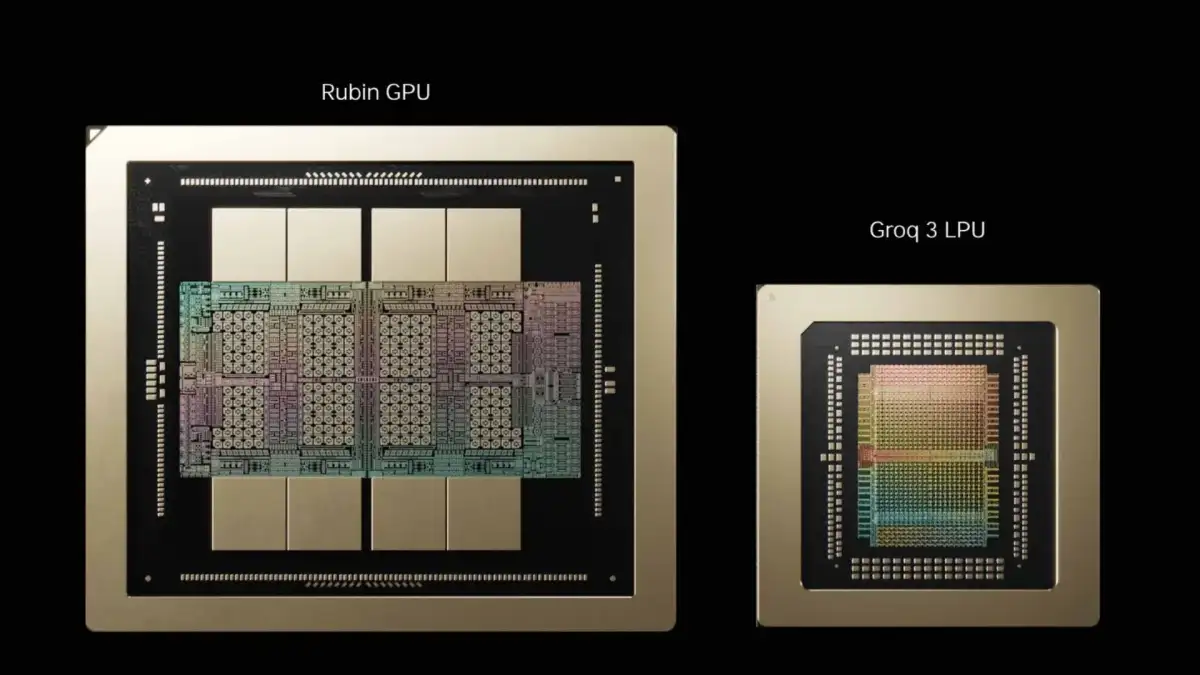
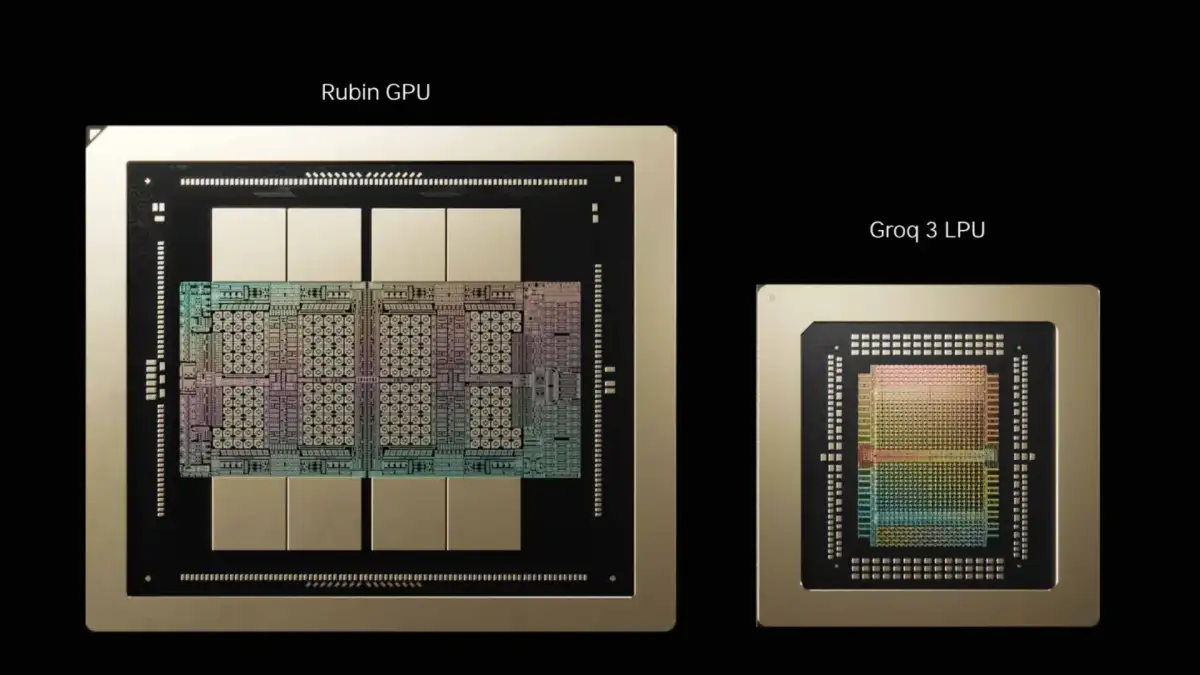
The Vera Rubin platform itself is not a singular entity but comprises a suite of six distinct chips, designed for extreme efficiency and power. Nvidia CEO Jensen Huang has emphasized not just raw speed but also significant reductions in operational costs. Reports indicate that the Rubin platform aims for a tenfold decrease in inference token costs and requires substantially fewer GPUs for training complex models, specifically mentioning a fourfold reduction for training mixture-of-experts models. The platform integrates advanced components such as the Vera CPU, Rubin GPU, NVLink 6 Switch, ConnectX-9 SuperNIC, BlueField-4 DPU, and Spectrum-6 Ethernet Switch, all engineered for deep synergy. A notable aspect is its reliance on a proprietary data format that Nvidia hopes will become an industry standard.
Read More: New AI Model Claude Mythos Raises Global Finance Security Fears
Industry Context and Valuation Metrics
Bernstein's assessment is further supported by specific financial indicators. The firm highlights a Price/Earnings to Growth (PEG) ratio of 0.77, significantly below industry benchmarks. This suggests that the stock's price may be undervalued relative to its projected earnings growth. The mention of a "golden cross," a technical trading signal indicating potential upward momentum, also contributes to the narrative of investor interest. Meanwhile, discussions surrounding the broader artificial intelligence market continue, with some analysts expressing concerns about a potential "bubble," a sentiment that Nvidia and its staunch supporters appear to be actively navigating.
Background: The Rubin Legacy and NVIDIA's Trajectory
The naming of the platform after astronomer Vera Rubin evokes a spirit of scientific discovery and a drive to understand complex systems, mirroring Nvidia's ambition in the AI domain. This next-generation architecture follows Nvidia's prior advancements, such as the Blackwell platform, and represents a calculated step forward in powering the ever-increasing demands of AI computations. The company's dominance in the AI chip market has been a defining feature of recent technological advancements, and the successful deployment of the Vera Rubin platform is seen as crucial for maintaining this position. The manufacturing process, utilizing Samsung's 4nm process, is also noted as a critical element underpinning the new AI accelerator chips.
Read More: Intel Stock Price Drop Forecast by Analysts