

CONSISTENT DISCREPANCIES NOTED IN RTX PRO 5000 BLACKWELL UNITS
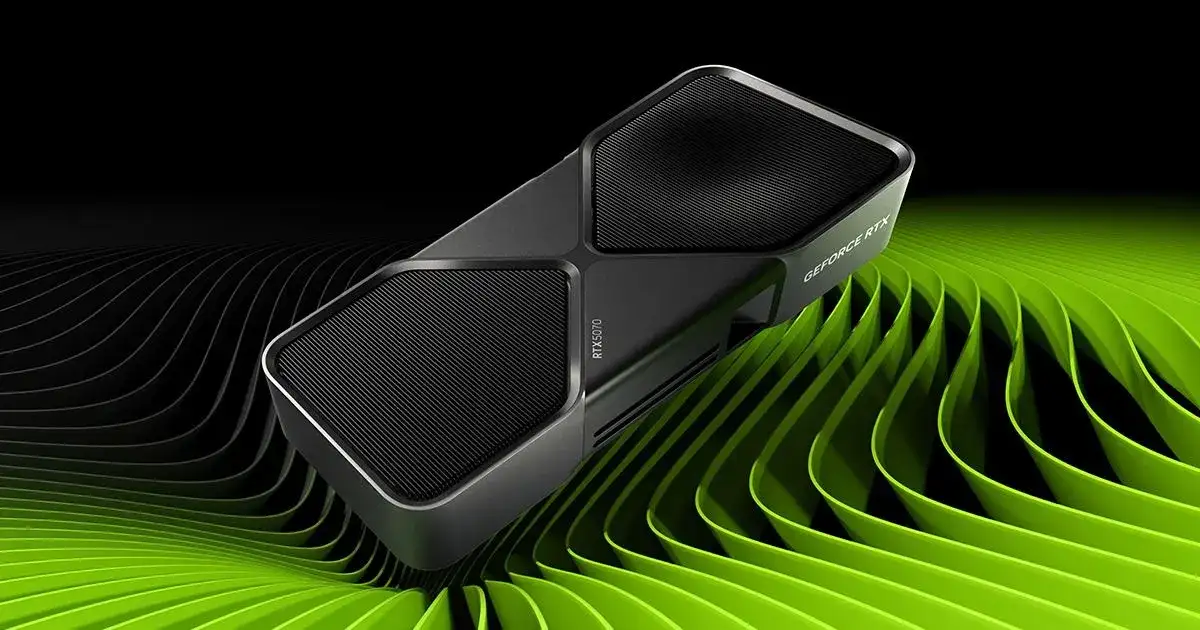
Reports indicate that NVIDIA's RTX PRO 5000 Blackwell professional graphics cards are exhibiting a configuration issue mirroring problems seen in consumer RTX 50 series cards. Multiple diagnostic tools, including GPU-Z and Geeks3D's utility, consistently identify 160 Render Output Units (ROPs) on affected RTX Pro 5000 Blackwell cards, falling short of the 176 ROPs specified in official product documentation. This discrepancy suggests a hardware or firmware-level deviation from stated specifications.
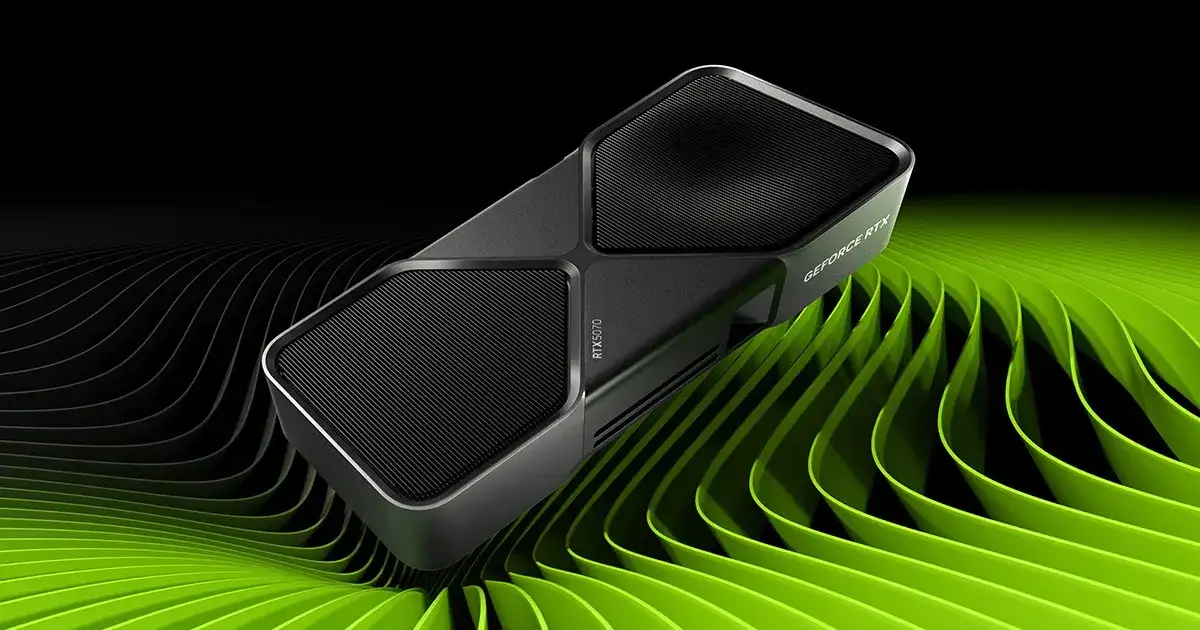
Further analysis by specialized outlets confirms the presence of this anomaly. Reports suggest that software analysis consistently returns a figure of 160 ROPs for these workstation-grade GPUs. This observation aligns with prior claims concerning a "small percentage" of the consumer GeForce RTX 50 lineup experiencing similar ROP count reductions. NVIDIA had previously acknowledged a minor proportion of its consumer cards might ship with a reduced ROP configuration, estimating this at around 0.5 percent of affected units.
Read More: Chrome mimeHandler API lets extensions handle file types
BROADER CONCERNS FOR RTX 50 SERIES
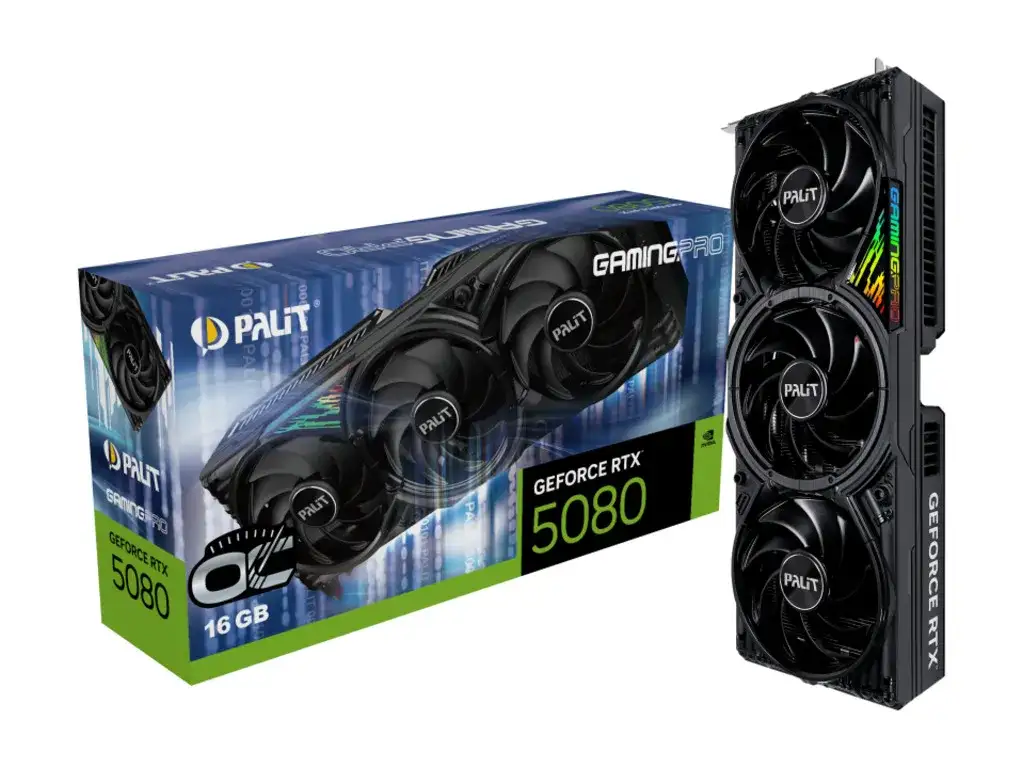
This emerging pattern with the RTX Pro 5000 Blackwell series arrives amidst separate, yet related, findings concerning NVIDIA's RTX 50 series overall. Investigations have brought to light what are described as "hotspot issues" affecting power delivery areas across the Blackwell RTX 50-series range. These elevated temperature zones, potentially reaching over 107°C in some assessments, are posited to compromise the long-term durability of these graphics cards, especially under sustained heavy workloads.
The identified hotspot problem is reportedly linked to the physical construction of the printed circuit boards (PCBs), specifically noting thin copper layers within the power delivery pathways. These design choices are alleged to create concentrated areas of high thermal density. While NVIDIA has not issued a direct public statement on these specific hotspot findings, prior instances of ROP discrepancies in consumer cards reportedly resulted in NVIDIA offering replacements to affected customers. The recurrence of such issues, now extending to the professional workstation segment, raises questions about consistency and quality control across NVIDIA's product lines.
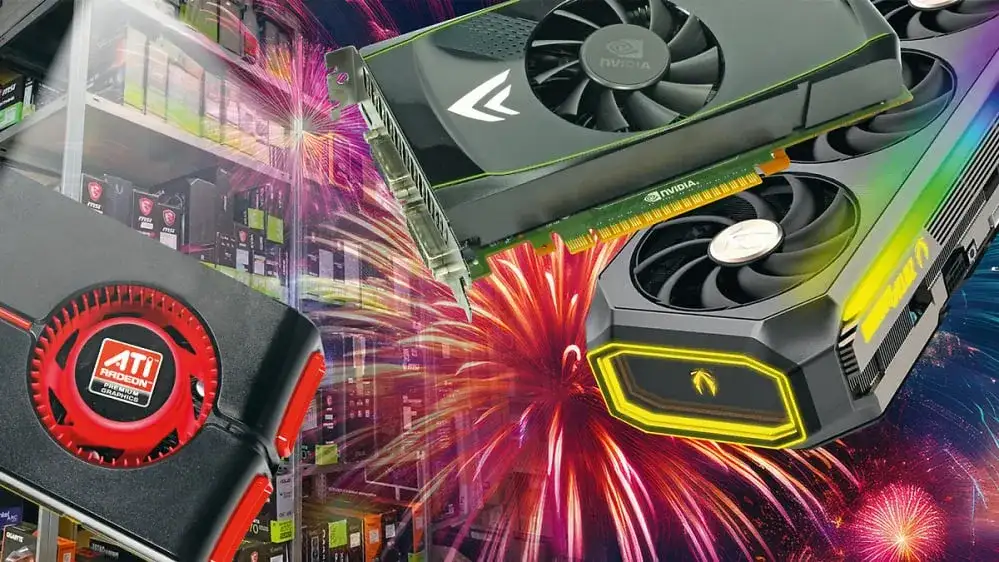
Read More: GPU Power Growth 2009-2025: RTX 5090 vs Radeon HD 5870 Analysis



.png)

