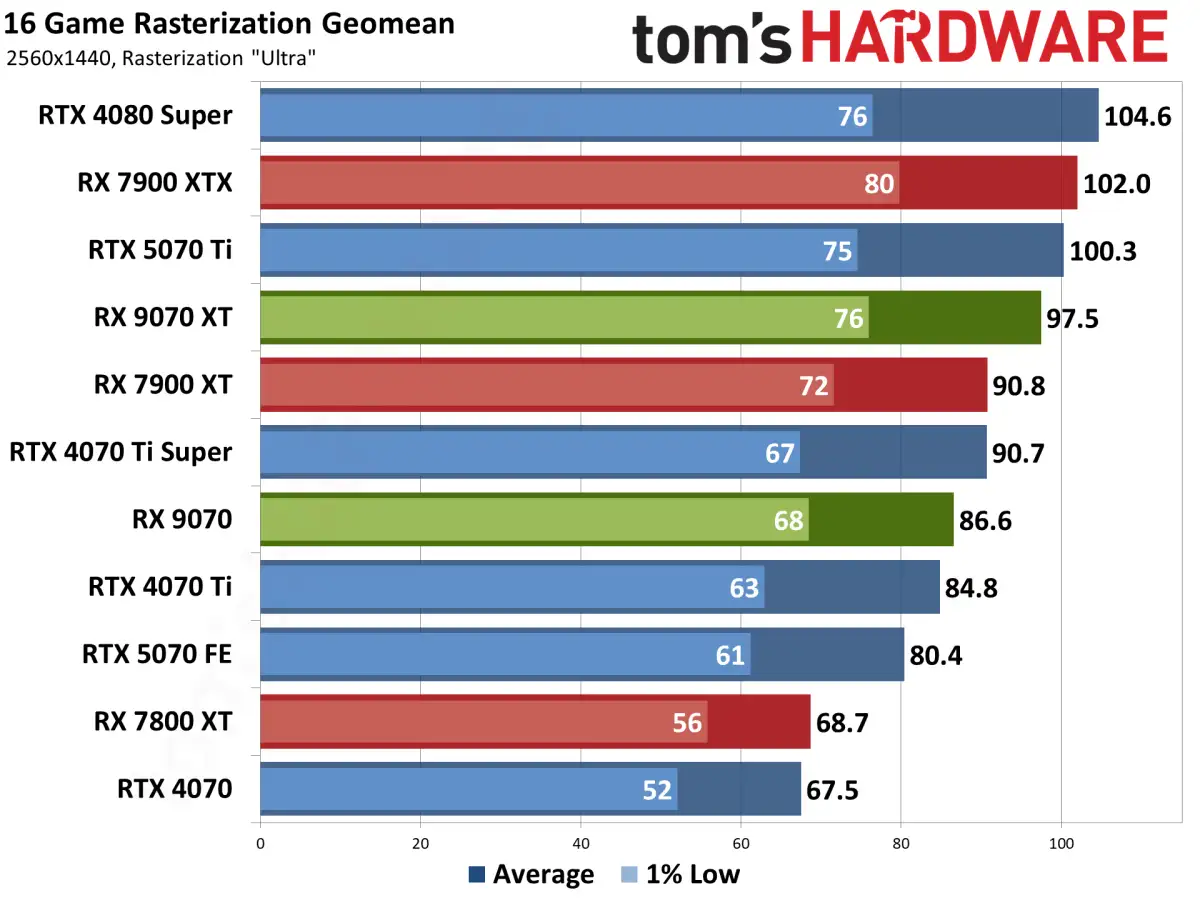
NVIDIA has pushed the Blackwell architecture into the mobile market, debuting the RTX 50-series laptop GPUs. This hardware shift focuses on lower power draws and the introduction of DLSS 4 multi-frame generation, a software tether required to hit playable speeds in heavy software. Simultaneously, reports indicate a strange survival of the GeForce RTX 3060, as NVIDIA and Samsung reportedly continue spinning new silicon for this legacy mid-range chip to fill the lower price gaps that newer, more expensive tiers refuse to touch.
"If NVIDIA did not exist, graphics performance would take a massive step back." — Market sentiment reflects a monopoly where the only choice is which year's tax to pay.
The Performance Spread
The new Blackwell stack attempts to justify its cost through "efficiency"—doing more with less electricity, though the physical price tags on the laptops remain heavy.
RTX 5060 vs 4060: The new 5060 carries 3328 CUDA cores, an 8.3% increase in raw math units. It drops its power ceiling from 140W to 115W. While the raw gain is modest, the DLSS 4 software layer acts as the primary lift for frame counts.
RTX 5070 vs 4070: This chip uses the same process and core count as its ancestor but shaves off 25W of heat. Despite the static core count, it claims a 14% performance bump, likely through clock speed tuning. At a restricted 90W, it reportedly matches the previous high-tier RTX 4080.
RTX 5080/5090: These are the top-heavy slabs. The 5080 claims to match the old 4090 flagship while pulling 175W. Laptops housing these parts typically start at prices exceeding 15,000 RMB.
| GPU Model | Core Count | Power Draw (W) | Performance Context |
|---|---|---|---|
| RTX 5090 | Flagship | Variable | The "Rich Man's Choice." |
| RTX 5080 | High | 175W | 30% faster than 4080; matches 4090. |
| RTX 5070Ti | Mid-High | Variable | 6% slower than 4080; high subsidy value. |
| RTX 5070 | Mid | 115W | 14% faster than 4070; efficient at 90W. |
| RTX 5060 | Entry-Mid | 115W | +8.3% cores over 4060; DLSS 4 focus. |
Hardware Implementation and Market Friction
The Blackwell architecture is being stuffed into familiar chassis from vendors like Lenovo, ASUS, and Mechanical Revolution. These machines are currently benefiting from regional subsidies that mask the rising cost of silicon.
Read More: Chrome mimeHandler API lets extensions handle file types
Thermal Realities: Most "thin" gaming laptops (around 2.2kg to 2.5kg) struggle with the heat of the top-tier chips. The Mechanical Revolution Aurora X and Lenovo GeekPro use internal "blow-through" cooling designs to keep the 115W-175W chips from melting the plastic casing.
The DLSS 4 Leash: NVIDIA's reliance on DLSS 4 suggests that raw hardware gains are flattening. To see a "generational leap," users must allow the software to invent frames that the hardware didn't actually render.
The 3060 Ghost: The news of Samsung and NVIDIA producing fresh 3060 units suggests the 50-series is too expensive for the average buyer. The 3060 remains the "good enough" floor for the market, refusing to be retired despite being two generations behind.
Investigative Context: The Efficiency Narrative
For years, the industry pushed "more power" as the solution to poor software optimization. With the 50-series, the story has shifted to "sipping juice." The RTX 5070 is the poster child for this, achieving its gains while requiring less cooling. This shift is less about saving the planet and more about the physical limits of laptop chassis; they cannot get much hotter without burning the user's hands.
The inclusion of the RTX 5070Ti is a strategic filler. It sits roughly 6% behind the old 4080 but is priced aggressively to capture the "upper-middle class" of gamers who find the 5080/5090 pricing offensive. Market dominance allows NVIDIA to segment the silicon so precisely that every $100 price jump provides exactly a 10% performance incentive.