

The Gigabyte Gaming OC iteration of the AMD Radeon RX 9070 XT is currently retailing at $629 via an Amazon lightning sale. This price point represents the lowest recorded valuation for the unit according to historical tracking data.
The current discount reflects a $110 reduction from standard retail pricing, signaling a significant adjustment in the GPU's market position since its introduction.
| Model / Variant | Current Retail Status | Historical Context |
|---|---|---|
| Gigabyte Gaming OC | $629 (Sale) | All-time low |
| Sapphire RX 9070 XT | $729 (Previous) | Reached October 2025 |
| Market Average | Variable | Influenced by AIB inventory |
Strategic Realignment
The RX 9070 XT, based on RDNA 4 architecture, entered the ecosystem with the intent of challenging NVIDIA dominance in the 70-class and 80-class segments. Unlike previous cycles, AMD opted to forgo reference designs, delegating manufacturing to Add-In Board (AIB) partners such as XFX, Sapphire, ASUS, and PowerColor.
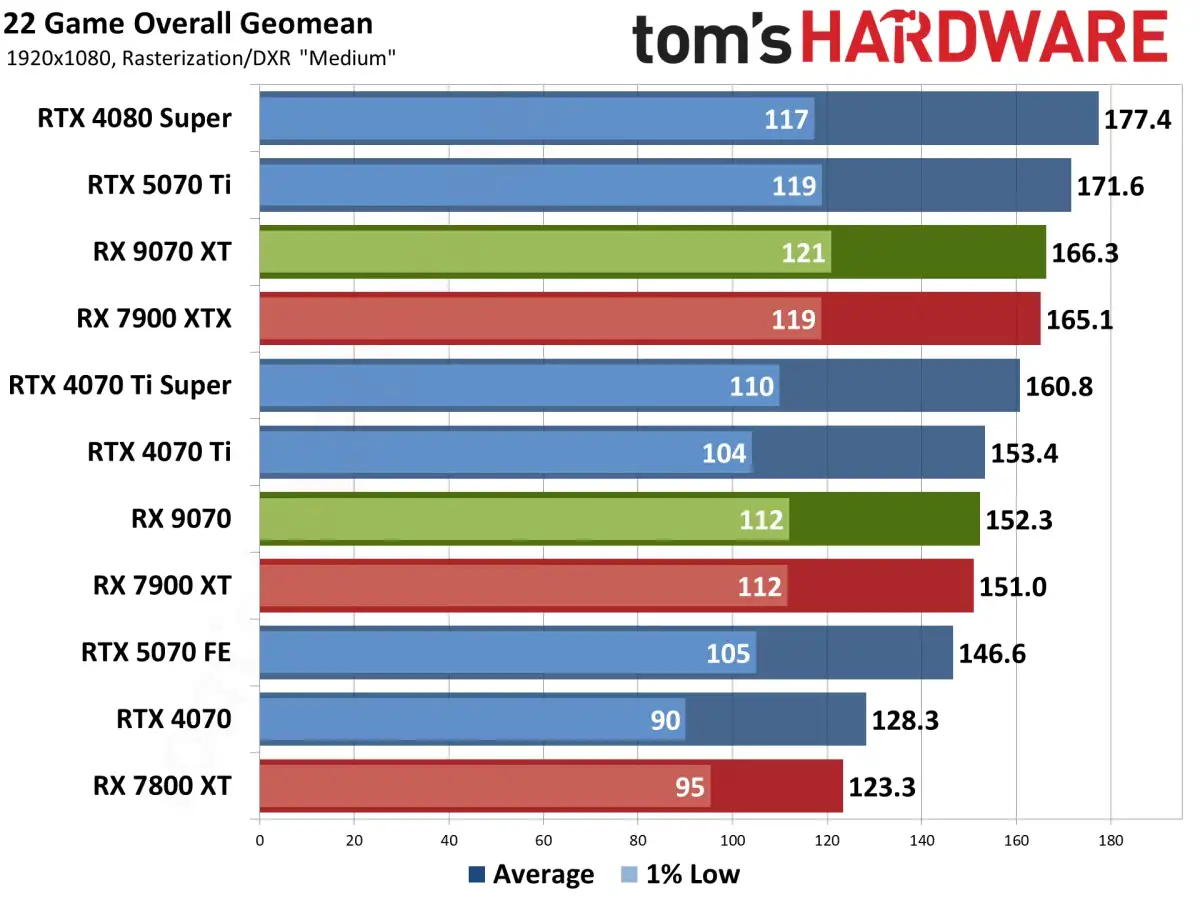
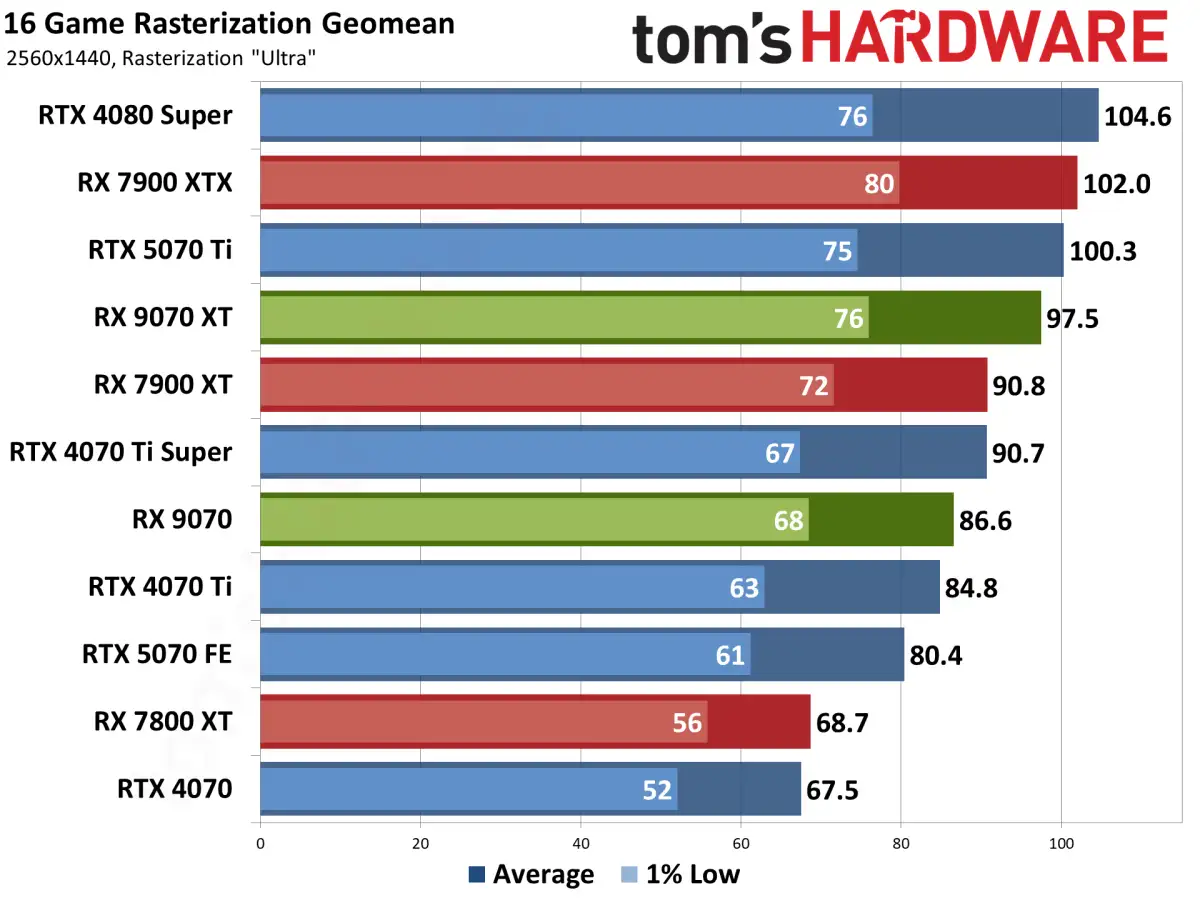
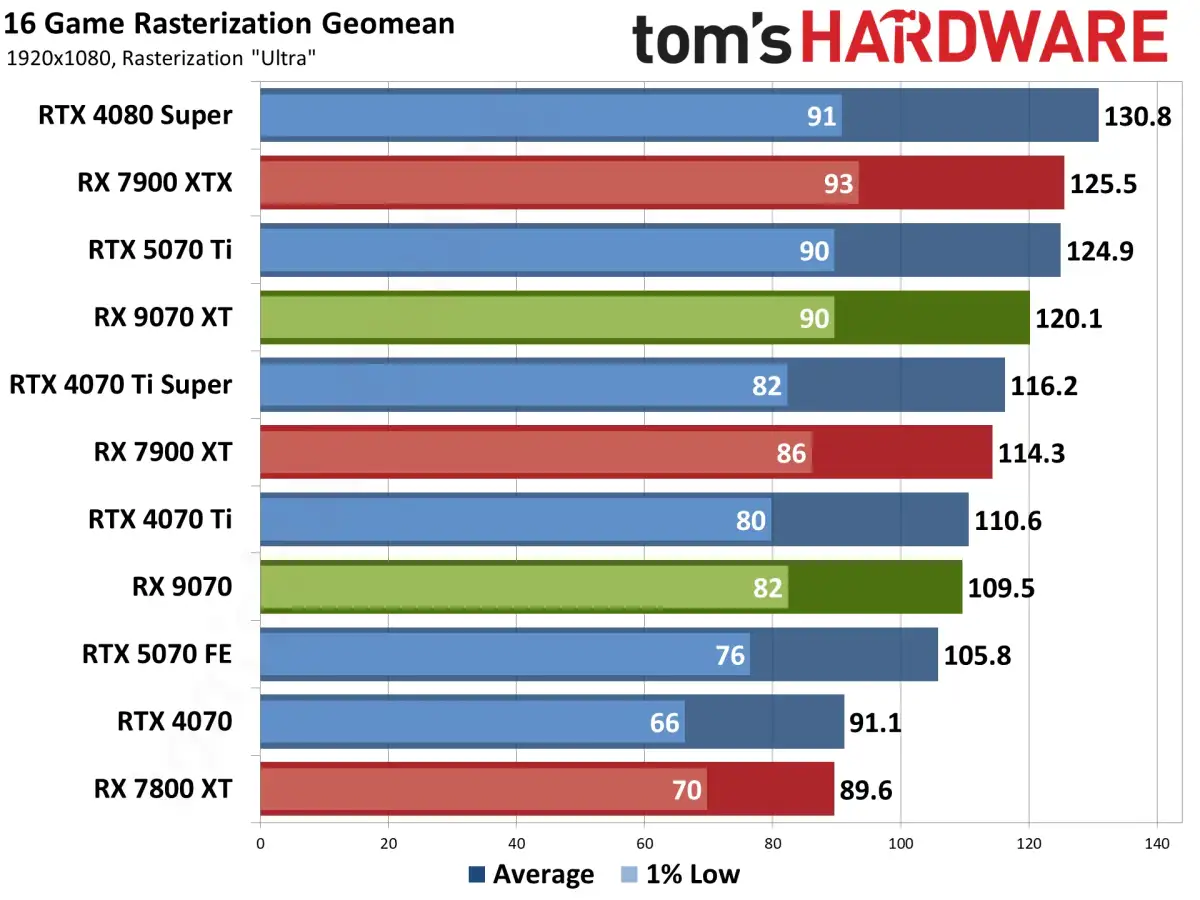
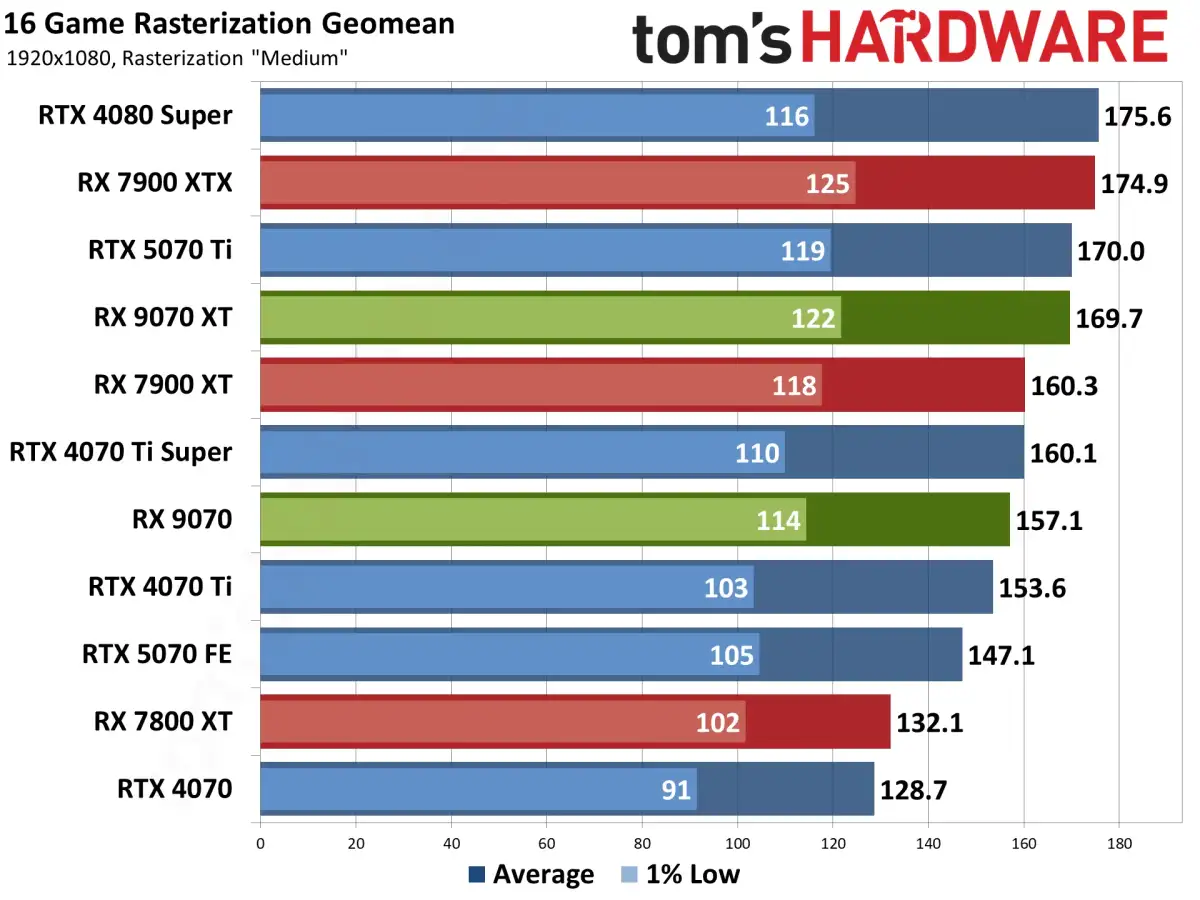
Performance Metrics: Benchmarks suggest the card provides a competitive advantage in rasterization workloads, with reported gains of 17% at 4K and 20% at 1440p against specific NVIDIA benchmarks.
Architectural Trade-offs: While power draw and thermal outputs are categorized as improvements over preceding Radeon generations, the cards are frequently cited for their physical bulk and lack of VRAM capacity relative to top-tier competitors.
Software Positioning: AMD has prioritized FSR 4 image quality enhancements over multi-frame generation techniques, a pivot designed to differentiate its ecosystem from the industry standard.
Economic and Supply Variables
Industry observers have noted discrepancies between official MSRP targets and retail reality. While the RX 9070 XT is marketed as a value-oriented powerhouse, its effectiveness in creative and AI-driven tasks remains inferior to NVIDIA’s proprietary stacks. The reliance on AIB partners has created an irregular pricing environment where "all-time low" claims are often met with skepticism regarding long-term price stability and original launch expectations from late 2024.
Read More: Chrome mimeHandler API lets extensions handle file types
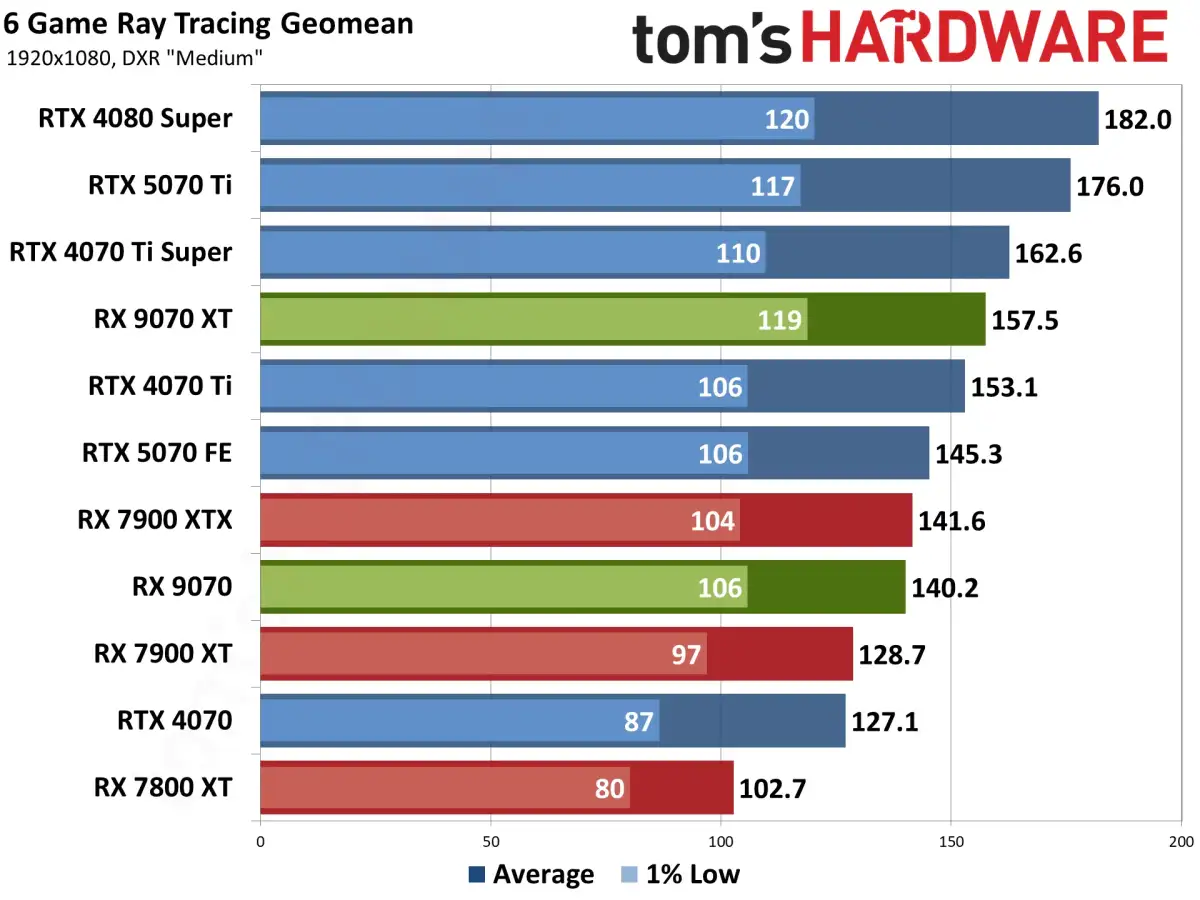
The transition to this current price underscores a broader market strategy to maintain relevance as the RDNA 4 product lifecycle matures, focusing on aggressive price competition to offset deficits in professional-grade software support.





