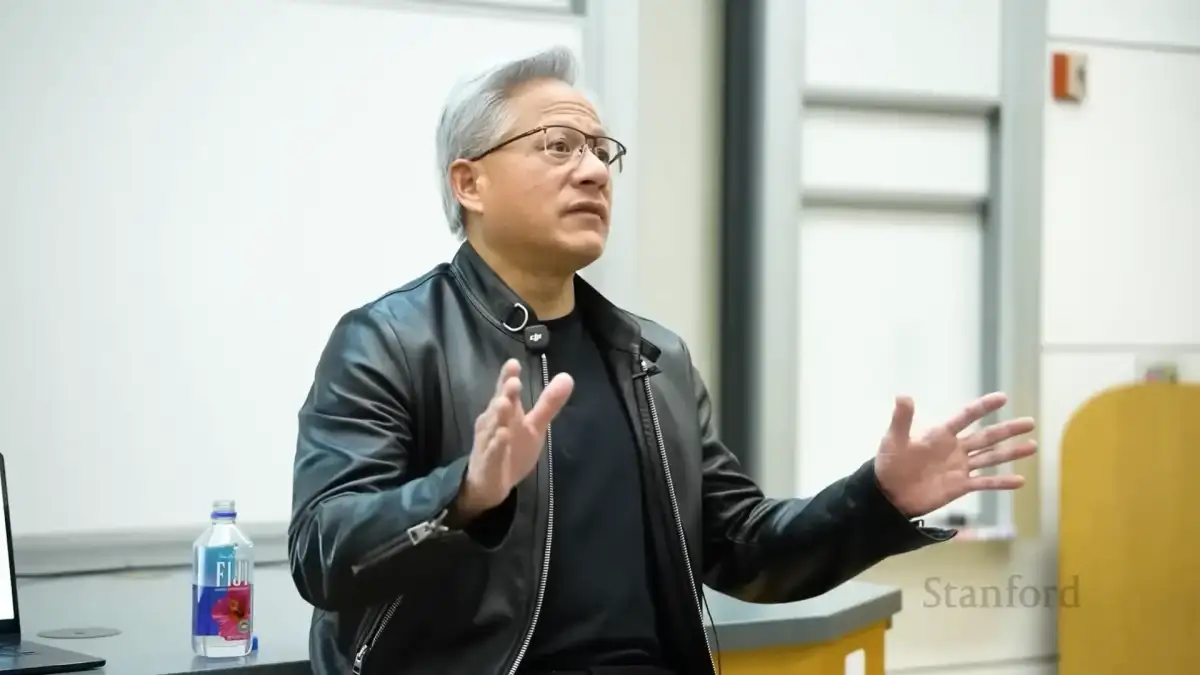
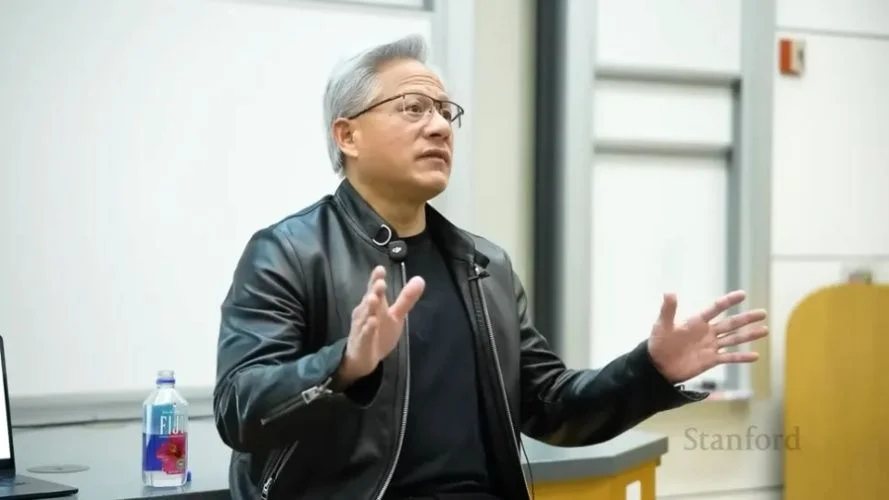
Jensen Huang, leader of Nvidia, has formally rejected the ongoing rhetorical linkage between AI-specialized semiconductors and nuclear weapons. Speaking across multiple forums—including a recent appearance at Stanford and an interview on the Dwarkesh Podcast—Huang characterized the comparison, initially popularized by Anthropic CEO Dario Amodei, as "lunacy" and an "absurd" foundation for national regulatory policy.

The core tension lies in the strategic management of the global tech stack: Huang advocates for universal adoption of US-based compute architectures, arguing that trade restrictions risk isolating the US from the international standard it seeks to maintain.
Current Stance and Market Impact
Huang’s resistance to the "nuclear" framing comes amidst shifting Export Controls and US security reviews regarding hardware shipments to China.
Categorical Mismatch: Huang emphasized that while he advocates for the proliferation of Nvidia hardware to the public, such advocacy would never extend to atomic weaponry, highlighting a fundamental distinction in the utility and intent of the products.
Economic Logic: The argument posits that China possesses the capability to develop or manufacture competing compute power independently. Therefore, limiting exports serves only to fracture the global reliance on the American ecosystem.
Regulatory Scrutiny: Huang warned that basing national policy on fear-based analogies creates a flawed, brittle legal framework that cannot withstand practical oversight.
| Stakeholder | Perspective on AI Compute |
|---|---|
| Jensen Huang (Nvidia) | Essential, non-weaponized industrial platform. |
| Dario Amodei (Anthropic) | Potential existential risk; requires strict containment. |
| US Regulatory Bodies | Strategic asset; subject to high-fee/restricted licensing. |
Strategic Context
The debate signifies a deep schism in the tech industry regarding Artificial Intelligence governance. Critics of the current export strategy, such as Amodei, contend that advanced chips are a direct accelerant for adversarial military and strategic intelligence, necessitating strict embargoes akin to non-proliferation treaties.
Read More: Nvidia CEO: AI Chip Export Limits Are "Stupid"
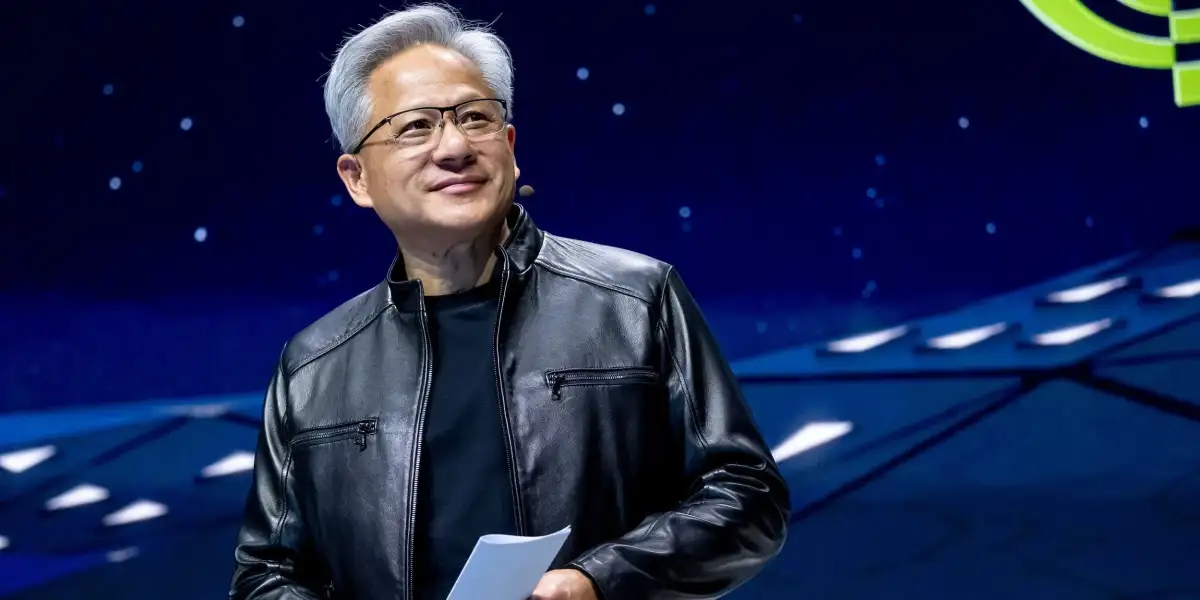
Conversely, Huang maintains that AI represents the next Industrial Revolution. From his viewpoint, equating these chips with weapons of mass destruction misleads the public and discourages the rapid integration necessary for long-term competitiveness.
Reflective Note: The insistence on comparing silicon to plutonium is more than a semantic dispute; it is a tug-of-war over who defines the threat model of the 21st century. If AI is deemed a "weapon," the state holds total command over the market. If it is an "industrial tool," the market remains in the hands of the architects. As of May 18, 2026, the policy continues to swing between these two extremes.