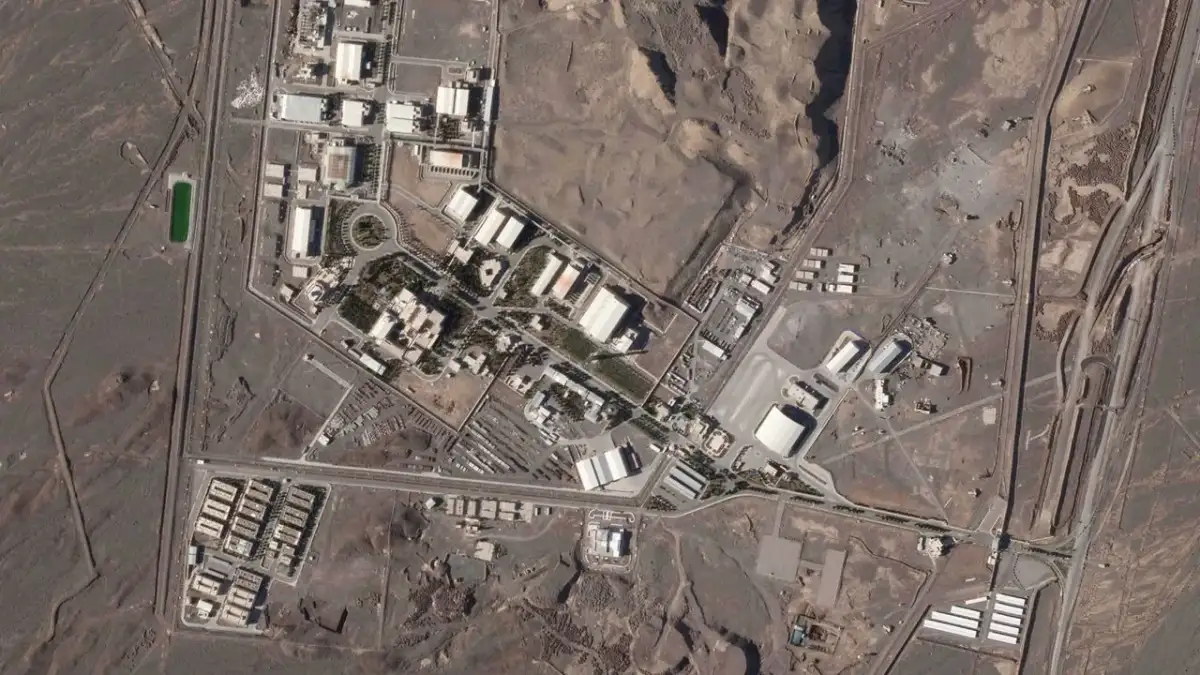
SEOUL, April 15, 2026 — Reports indicate a significant acceleration in North Korea's ability to manufacture nuclear arms, according to the head of the United Nations' nuclear watchdog. Increased operations have been confirmed at the Yongbyon Nuclear Scientific Research Center, the country's primary nuclear complex, with heightened activity detected at multiple key facilities.
Intensified Operations Across Yongbyon
IAEA chief Rafael Grossi stated Wednesday that the agency has observed a "rapid increase in operations" at the Yongbyon reactor. This surge extends to its reprocessing unit and a light-water reactor, alongside the activation of other previously dormant sites. South Korea's spy agency has also pointed to North Korea operating multiple facilities for uranium enrichment, a process considered crucial for developing nuclear warheads.
Satellite imagery appears to corroborate claims of expansion within North Korea's nuclear infrastructure, suggesting a coordinated scale-up of its weapons program. The activation of various sites points towards a more ambitious production effort.
Read More: Iran Zagros Mountain Nuclear Site Construction Update April 2026
Background: A Long-Standing Concern
North Korea is estimated to possess a nuclear arsenal numbering in the dozens of warheads. The country has historically pursued both plutonium reprocessing and uranium enrichment as pathways to acquire weapons-grade material. Experts suggest that uranium enrichment offers a more efficient route, and the expansion of related facilities implies a faster potential for material production.
The IAEA has formally requested North Korea to adhere to safeguards aimed at preventing the misuse of nuclear materials. Meanwhile, reports suggest North Korea has been supplying Russia with artillery shells and ground troops for its ongoing conflict in Ukraine, with observers speculating that Pyongyang may be receiving military technology in return. However, Grossi indicated that the IAEA has not yet seen confirmed evidence of Russian military nuclear technology assisting North Korea's program.
In a related regional development, South Korea is reportedly advancing its own plans for nuclear-powered submarines. Grossi has invited Seoul to collaborate with the IAEA on this initiative, seeking to mitigate potential proliferation risks. This push for enhanced nuclear capabilities in the region, particularly by North Korea, is viewed by some as a move that could intensify regional security dilemmas and potentially trigger wider proliferation concerns.
Read More: Tibetan Permafrost Thaw Releases Ancient Carbon, Risks Climate Tipping Point