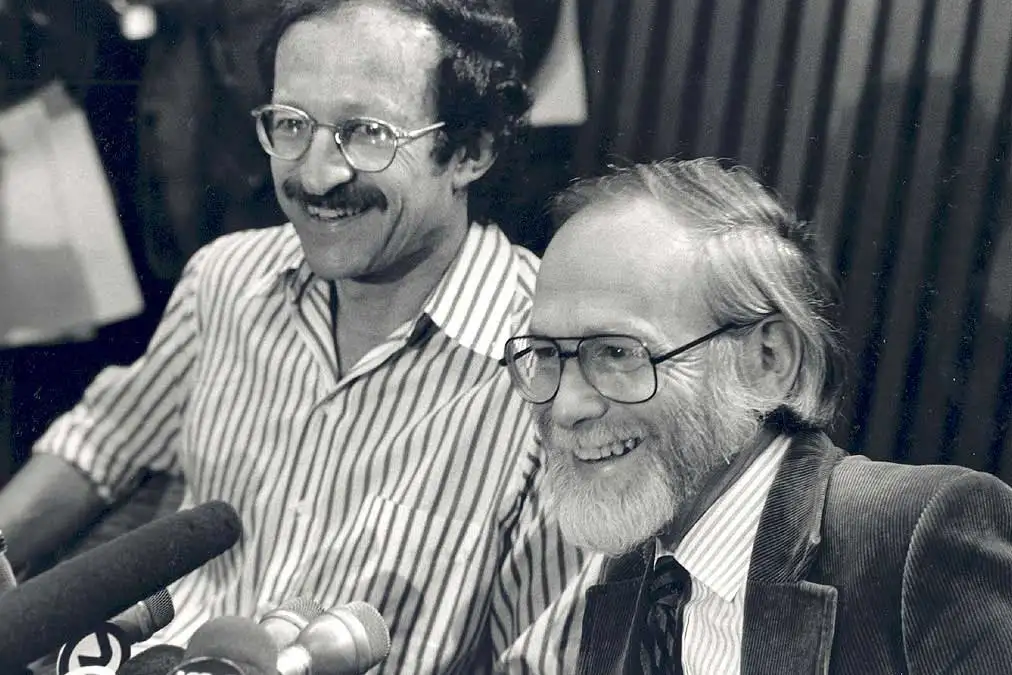
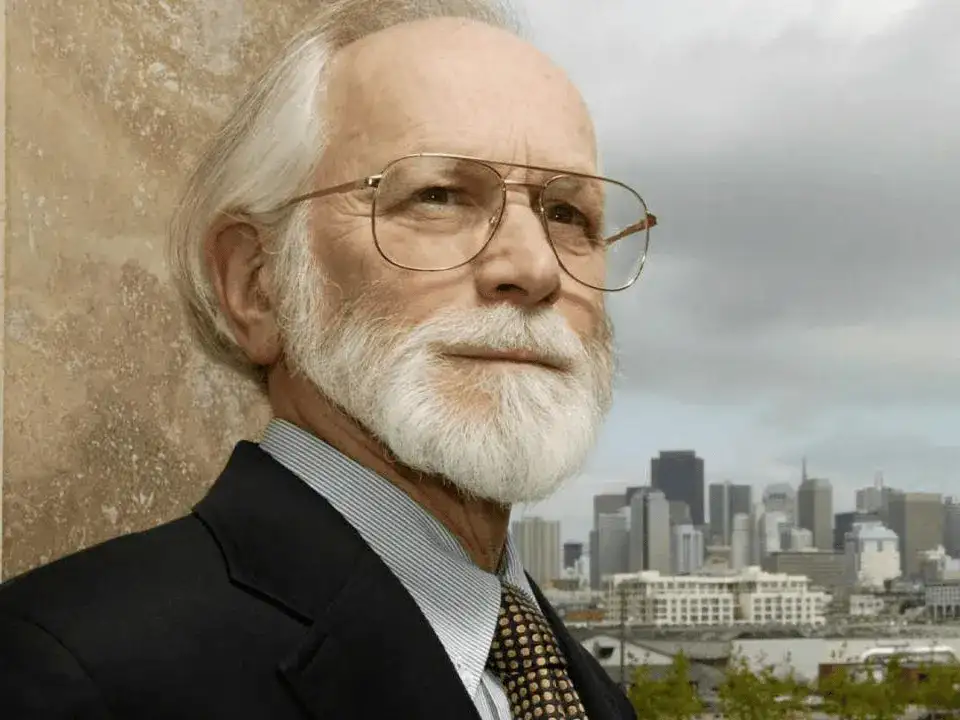
J. Michael Bishop, a pivotal figure in unraveling the genetic underpinnings of cancer, died on March 20, 2026, at the age of 90. His work, conducted alongside Harold Varmus, illuminated how ordinary cellular genes could transform into cancer-causing agents. This groundbreaking insight, which earned them the 1989 Nobel Prize in Physiology or Medicine, fundamentally altered the understanding of the disease and paved the way for what is now termed 'precision cancer medicine.'
Bishop and Varmus identified that cancer's origins were rooted in genetics, a discovery that provided a unifying framework for comprehending the disease. Their research showed that specific genes, which they termed 'oncogenes,' could originate from normal genes within cells, and their abnormal behavior could trigger cancerous growth. This shifted the scientific paradigm, moving beyond external causes to the internal genetic machinery of cells.
Read More: Farming's New Fiber Optic Sensors Show Soil Structure Damage by Mid-March 2026
The Nobel committee cited their "discovery of the cellular origin of retroviral oncogenes" as the key achievement. Bishop, an American virologist, spent a significant portion of his career at the University of California, San Francisco (UCSF). His passing was attributed to pneumonia, according to his son, Eliot Bishop.
Bishop's intellectual journey began with an early realization that his aptitude for music did not match his passion for it, a sentiment he later reflected upon in his book, How to Win the Nobel Prize: An Unexpected Life in Science. His formal education saw him graduate from Gettysburg College in 1957, followed by Harvard Medical School in 1962.
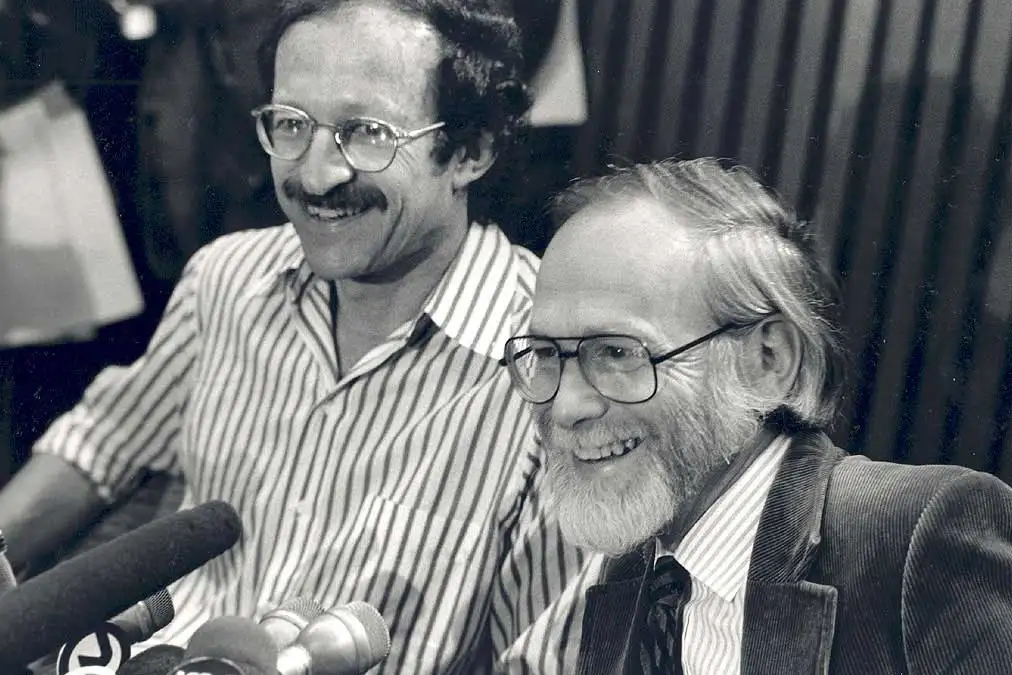
Following his medical training, Bishop completed internships and residencies at Massachusetts General Hospital. It was during his time as a researcher in virology at the National Institutes of Health that his interest in fundamental scientific inquiry solidified. Varmus joined Bishop's laboratory as a postdoctoral fellow during this period.
Read More: New Paper Drug Smuggling in Prisons Causes Overdoses
Beyond his research, Bishop was recognized for his commitment to nurturing future scientists. He presided over a significant expansion of UCSF, serving as its chancellor from 1998 until his retirement in 2009. Former trainees, such as Deborah Spector, have publicly acknowledged his supportive mentorship, collaborative approach, and deep respect for junior researchers. Bishop also actively advocated for increased research funding.