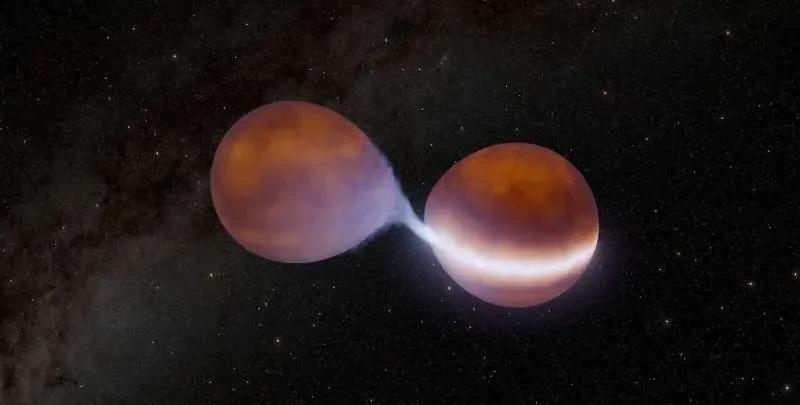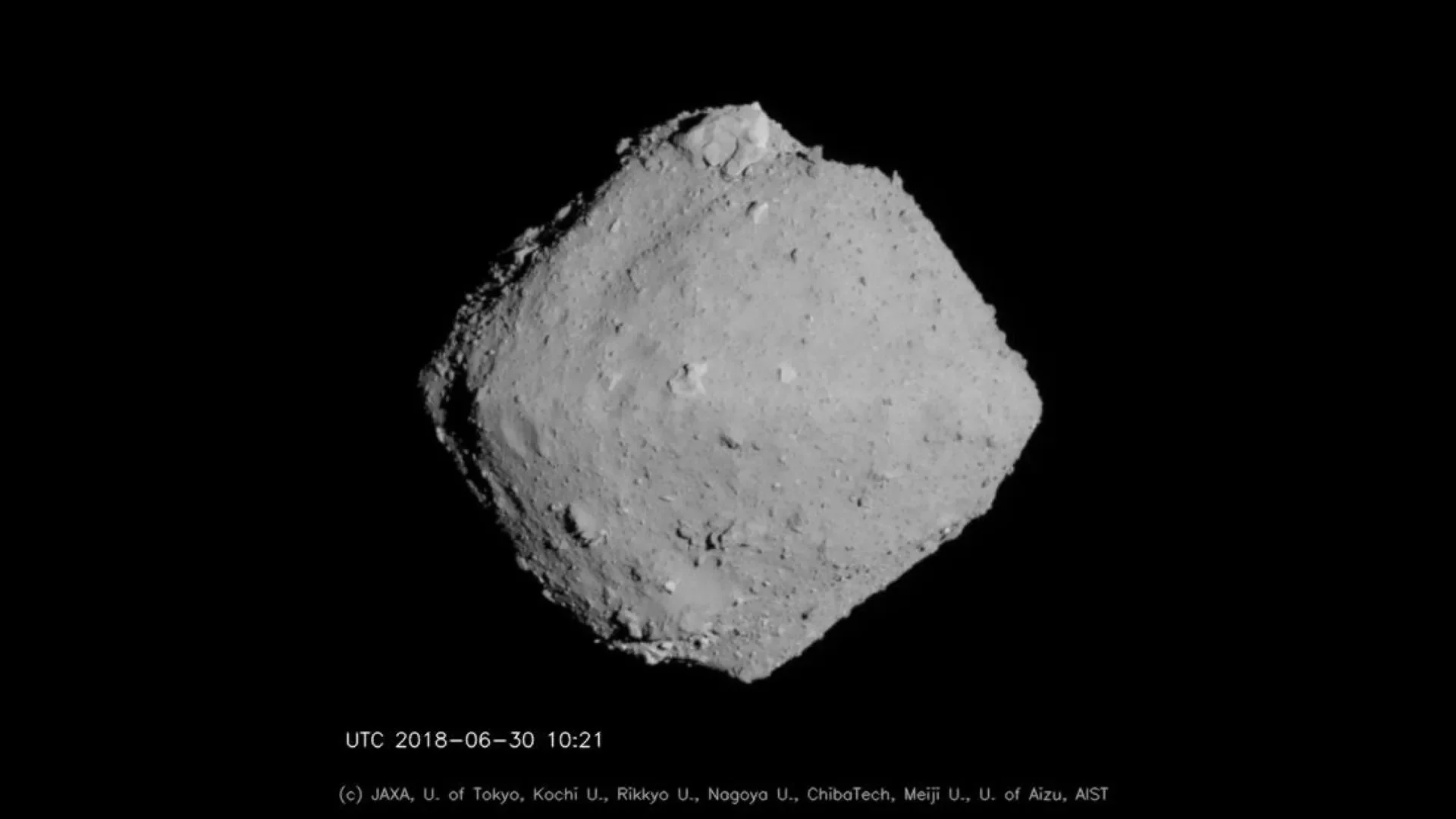
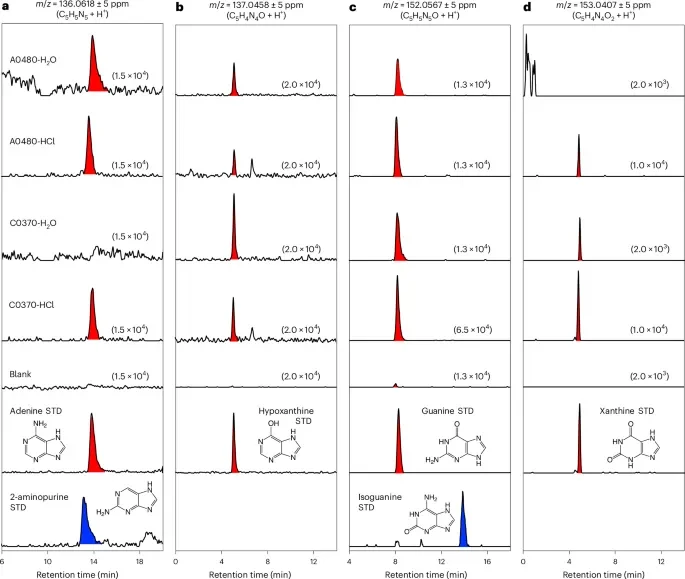
Scientists have discovered all five essential chemical components, known as nucleobases, for constructing DNA and RNA within samples brought back from the asteroid Ryugu. This finding bolsters the notion that the foundational elements for life may not be unique to Earth but could have been delivered from space via asteroids billions of years ago. The presence of these molecules—adenine, guanine, cytosine, thymine, and uracil—in the carbon-rich asteroid’s material suggests that such organic compounds can form under conditions prevalent throughout the universe.
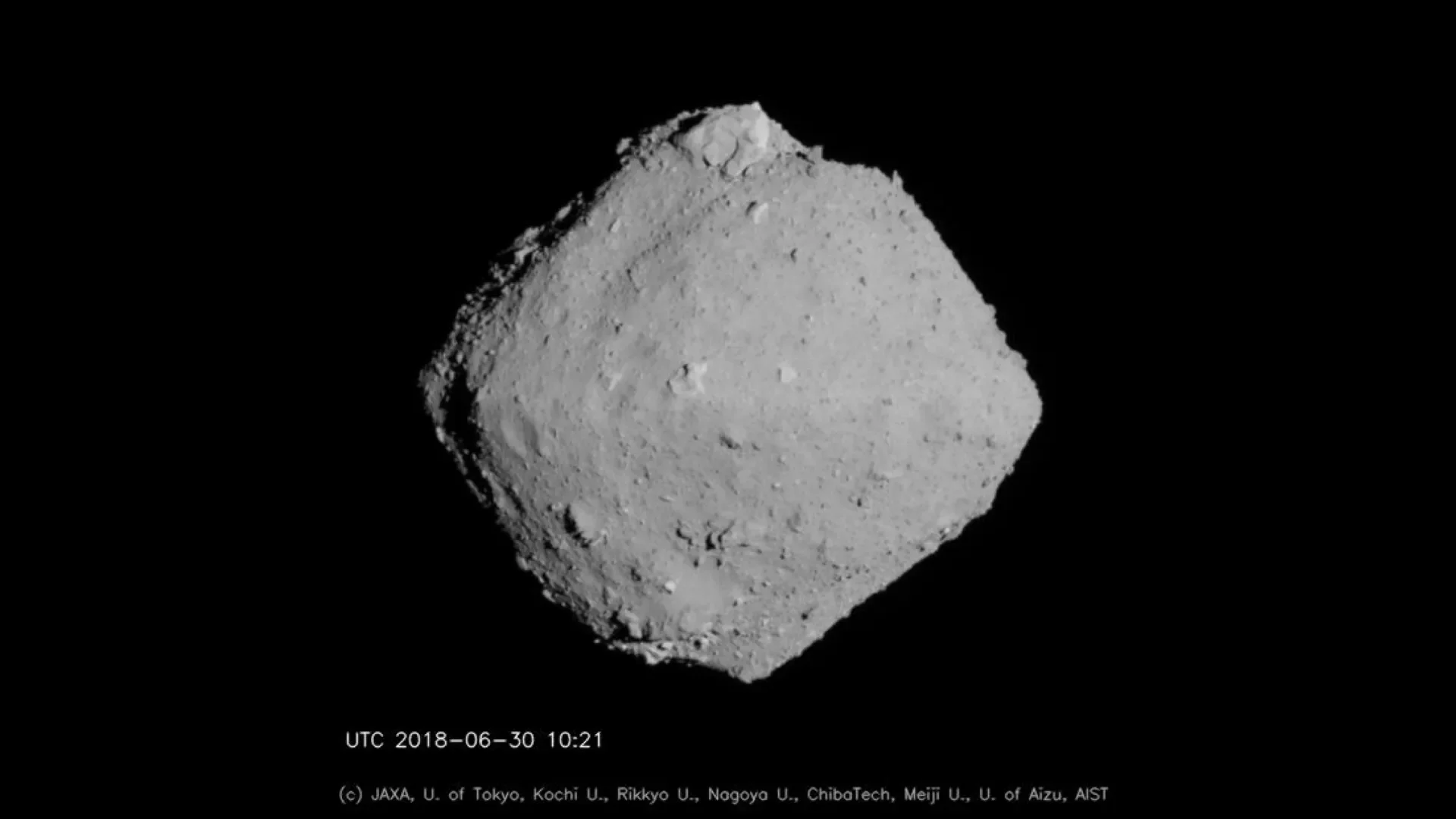
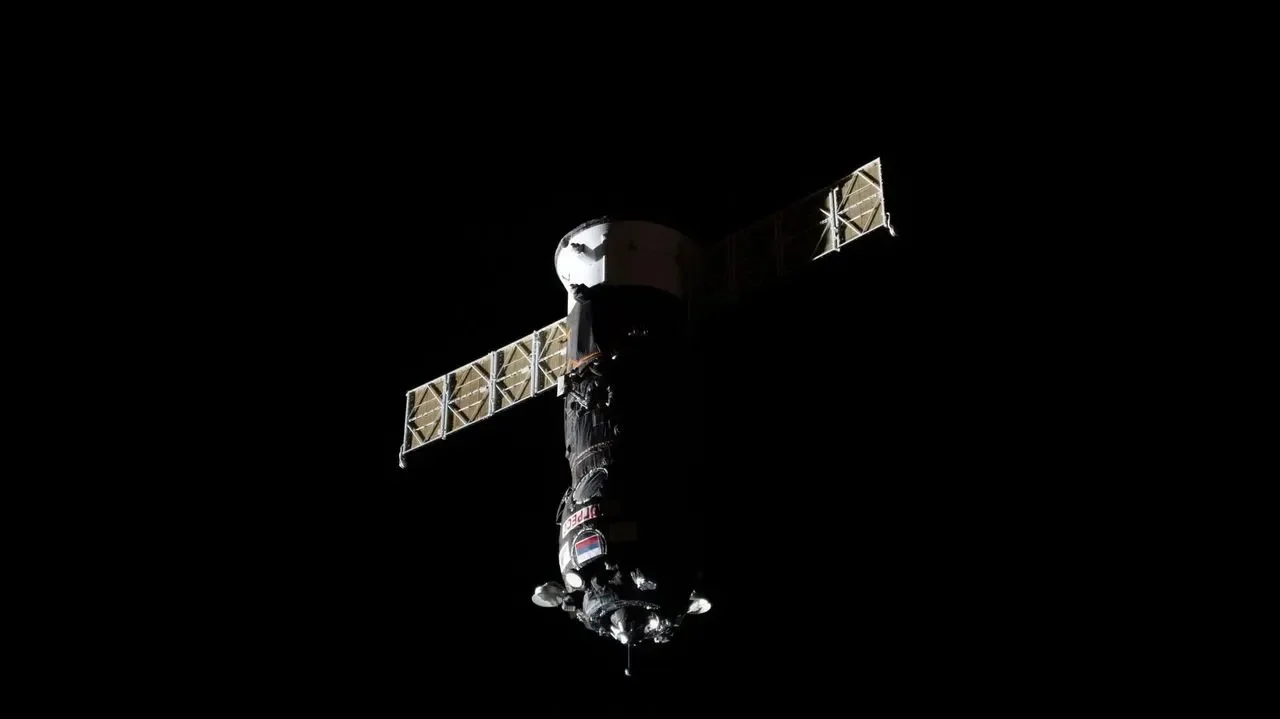
The samples, retrieved by the Japanese spacecraft 'Hayabusa2' in 2019, show that Ryugu contains roughly equal amounts of purine nucleobases (adenine and guanine) and pyrimidine nucleobases (cytosine, thymine, and uracil). This composition differs from other celestial bodies, such as the Murchison meteorite, which is richer in purines, and asteroids Bennu and Orgueil, which lean towards pyrimidines, indicating diverse chemical histories in the solar system. Researchers have confirmed these molecules did not originate from Earth, strengthening the theory that asteroids acted as conduits for delivering life's building blocks to our planet during its early development.
Read More: Farming's New Fiber Optic Sensors Show Soil Structure Damage by Mid-March 2026

Origins of Life Hypothesis
The detection of these nucleobases on Ryugu, alongside similar discoveries on other asteroids and meteorites, feeds into a long-standing scientific hypothesis. This theory posits that early Earth, bombarded by space rocks, received not just water but also the fundamental organic molecules necessary for life's genesis. While the findings do not assert that life itself formed in space, they strongly suggest that the conditions for generating complex organic molecules, including those essential for genetic material, exist beyond Earth.
"It is very likely that more complex organic molecules like nucleic acids are formed on asteroids."Oba, researcher, cited in Futurism
The discovery reinforces the idea that asteroids are crucial to understanding abiogenesis – the origin of life from non-living matter. Scientists are continuing to analyze the Ryugu samples, seeking to further understand the chemical processes occurring in space and their potential role in seeding life on nascent planets.
Ryugu's Significance
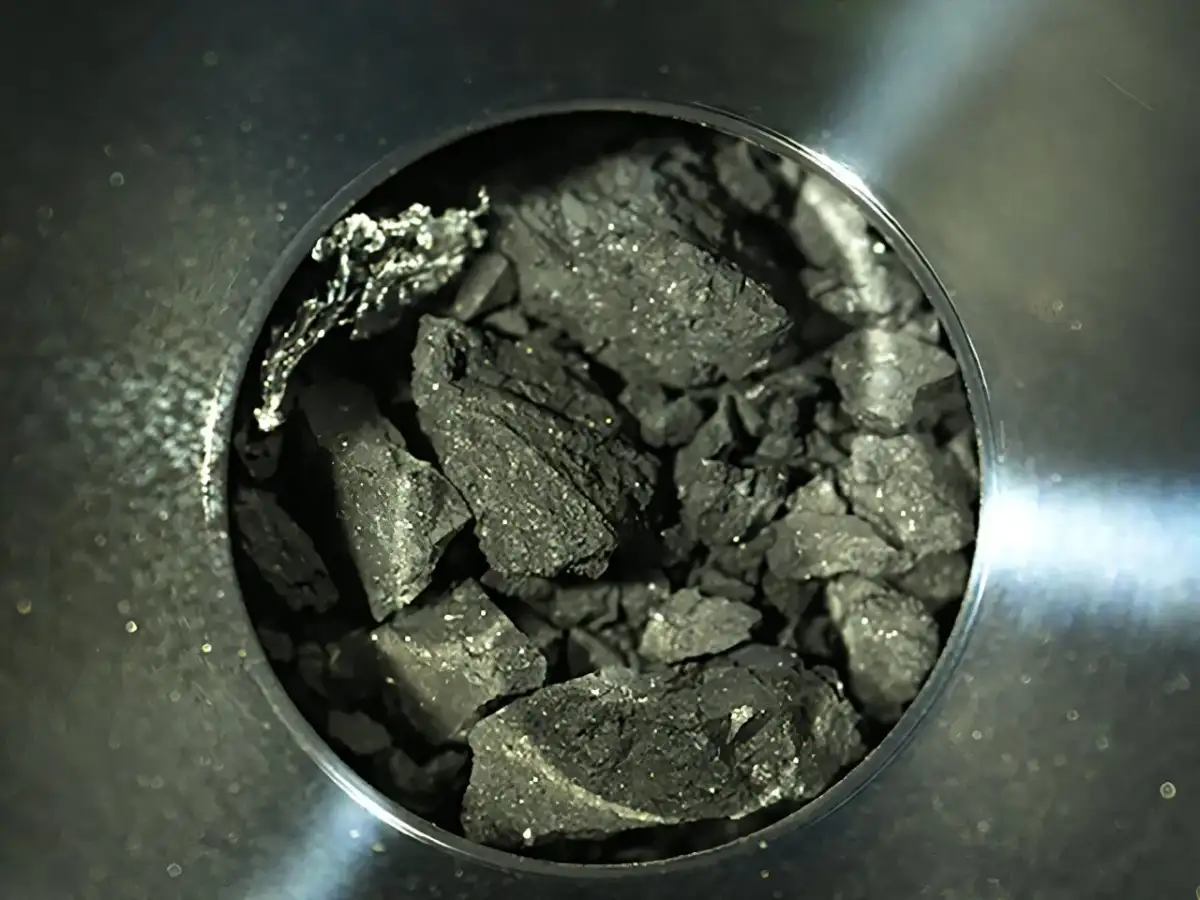
Ryugu, a near-Earth asteroid, is characterized by its dark, carbon-rich composition, making it a valuable target for studying the early solar system. The 'Hayabusa2' mission involved landing on the asteroid and collecting material, including dust and pristine grains, for analysis back on Earth. This mission provided an unprecedented opportunity to examine materials formed billions of years ago, offering direct clues about the chemical environment of the early solar system and the potential origins of life.
Read More: Asteroid Ryugu Dust Found With All 5 Life's Genetic Building Blocks
"The presence of these nucleobases on Ryugu and other asteroids like Bennu implies that the raw materials for life are not unique to our planet."Reported by NDTV
The comparative analysis of Ryugu's material with that from other space rocks highlights variations in their chemical makeup, suggesting a dynamic and varied distribution of organic molecules across the solar system. These differences may reflect distinct formation pathways and evolutionary histories for asteroids and meteorites.