

The common glass of water, left to sit for a day or more, has become a subtle point of contention. While many dismiss concerns, a closer look at expert opinions reveals a nuanced picture, suggesting that convenience may sometimes outpace prudence when it comes to consuming aged water.
Experts generally agree that days-old water, provided it was clean initially and stored without overt contamination, is not inherently dangerous. However, this broad agreement splinters into varying timelines and caveats, especially when considering the typical environment of a water glass in a home. A significant factor is exposure; water left uncovered or in warm conditions presents a greater risk of contamination.
THE UNSEEN ACCUMULATION
Microbiologists point to the steady increase in bacterial concentrations. One study indicates that bacterial cell counts in drinking water escalate overnight. For those who regularly consume water left out from the previous day, the experts' counsel is a call to reconsider.
Read More: India IVF Costs And Social Barriers Limit Access In April 2026
Microbiologist Jason Tetro, also known as "The Germ Guy," suggests a stricter timeline, advising that after 12 hours, it's best to discard and pour a fresh glass. This holds true even if the water was initially filtered, as the act of leaving it exposed can reintroduce potential issues.
Tetro's reasoning extends to taps infrequently used, which can also harbor significant bacterial populations.
CONTAMINANTS AND CONCERNS
Beyond bacteria, other factors contribute to the evolving safety profile of sitting water.

The simple act of a water glass being exposed to the surrounding environment is key. This isn't typically about compromised municipal supply, but rather surface-level contamination.
Antimony, a regulated contaminant, can leach into water, particularly from containers.
When carbon dioxide dissolves in water, it forms carbonic acid, which can slightly alter the water's pH, a process that might affect taste, making it seem "flat," but not necessarily rendering it unsafe in all contexts.
WHEN TO POUR IT OUT
The decision to drink or discard often boils down to practical considerations of exposure and prior use.
If the source water was initially safe, the water itself might remain consumable for up to 48 hours, despite potential taste changes.
However, water that has been drunk from previously or left uncovered is where the risks escalate.
Some suggest that while resourceful, consistently drinking from glasses left out the day before might not be the safest practice.
A RECURRING THOUGHT
The notion of drinking old water resurfaces across various platforms, often framed by the same query: is it dangerous? While the answer is rarely a definitive "yes" without qualification, the recurring expert advice leans towards caution.
Concerns frequently revolve around potential bacterial growth or contamination.
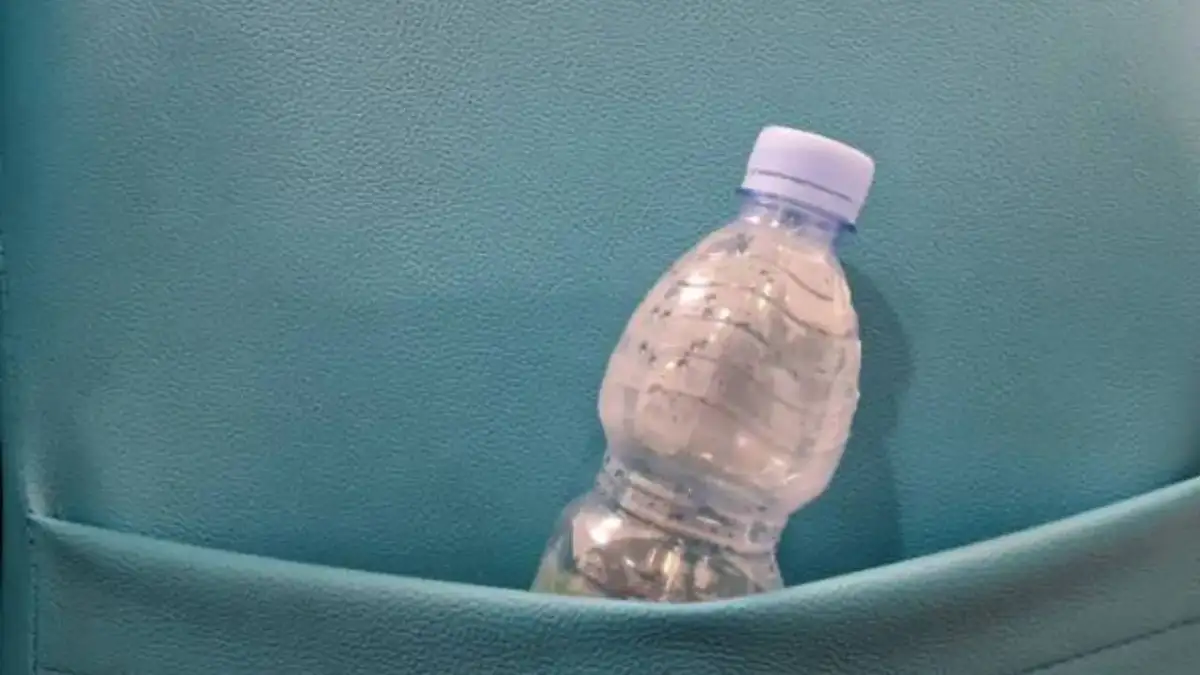
The idea that bottled water is inherently safe, even when left for extended periods, is also questioned by experts, though specifics on week-old bottled water remain less detailed in available reports.






:max_bytes(150000):strip_icc()/ar-ice-cream-recall-revision-ar-adobe-2x1-d0f30fb6a96f4500baf9d27f9d387609.jpg)