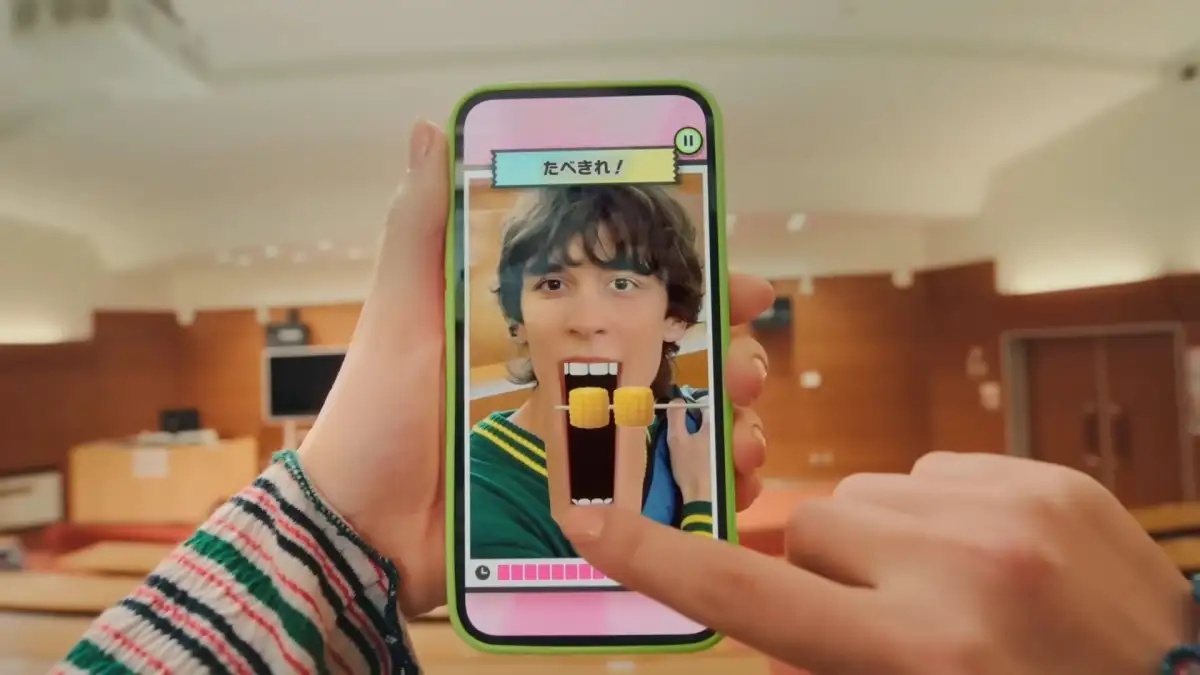
Nintendo has announced the upcoming release of Pictonico, a "free-to-start" mobile application scheduled for launch on May 28, 2026. The software utilizes images from a user’s local library or live camera input to generate a series of brief, rapid-fire minigames reminiscent of the WarioWare design philosophy.
Core technical functionality requires an internet connection for initial deployment, region configuration, and volume procurement, though offline play is supported thereafter. The application emphasizes privacy, with stated policies indicating that processed user photos are not transmitted to Nintendo servers.

Functional Breakdown
Release Date: May 28, 2026.
Platforms: iOS and Android.
Format: "Free-to-start" model with downloadable content volumes.
Core Loop: Users input personal photographs; the software integrates these files into 80 distinct, time-constrained interactive challenges.
Market Context and Historical Strategy
The announcement signals a continued, if irregular, attempt by the firm to leverage smartphone ecosystems. Unlike their previous, more substantial mobile efforts, Pictonico represents a specialized, self-contained experiment.

| Attribute | Industry Status |
|---|---|
| Model | Free-to-start (DLC bundles) |
| Connectivity | Initial authentication required |
| Privacy | Local processing (no cloud transmission) |
| Design Influence | WarioWare / Face Raiders |
The mobile gaming strategy of the company has oscillated since the mid-2010s between experimental apps like Miitomo and adaptations of established intellectual property. Analysts note that this release serves as a secondary, low-stakes project rather than a core shift toward mobile-first development. The software’s reliance on user-generated assets effectively reduces the necessity for bespoke 3D assets while offloading the creative burden of "character" generation onto the user’s social circle.
Read More: LG UltraGear 25G590B 1000Hz Monitor Release Date and Features

The software acts as an ephemeral cultural tool, leaning into the trend of personal media integration. By requiring active user participation—both in image sourcing and rapid-fire input—it functions as a casual interactive experience designed for party-centric engagement rather than extended sessions.