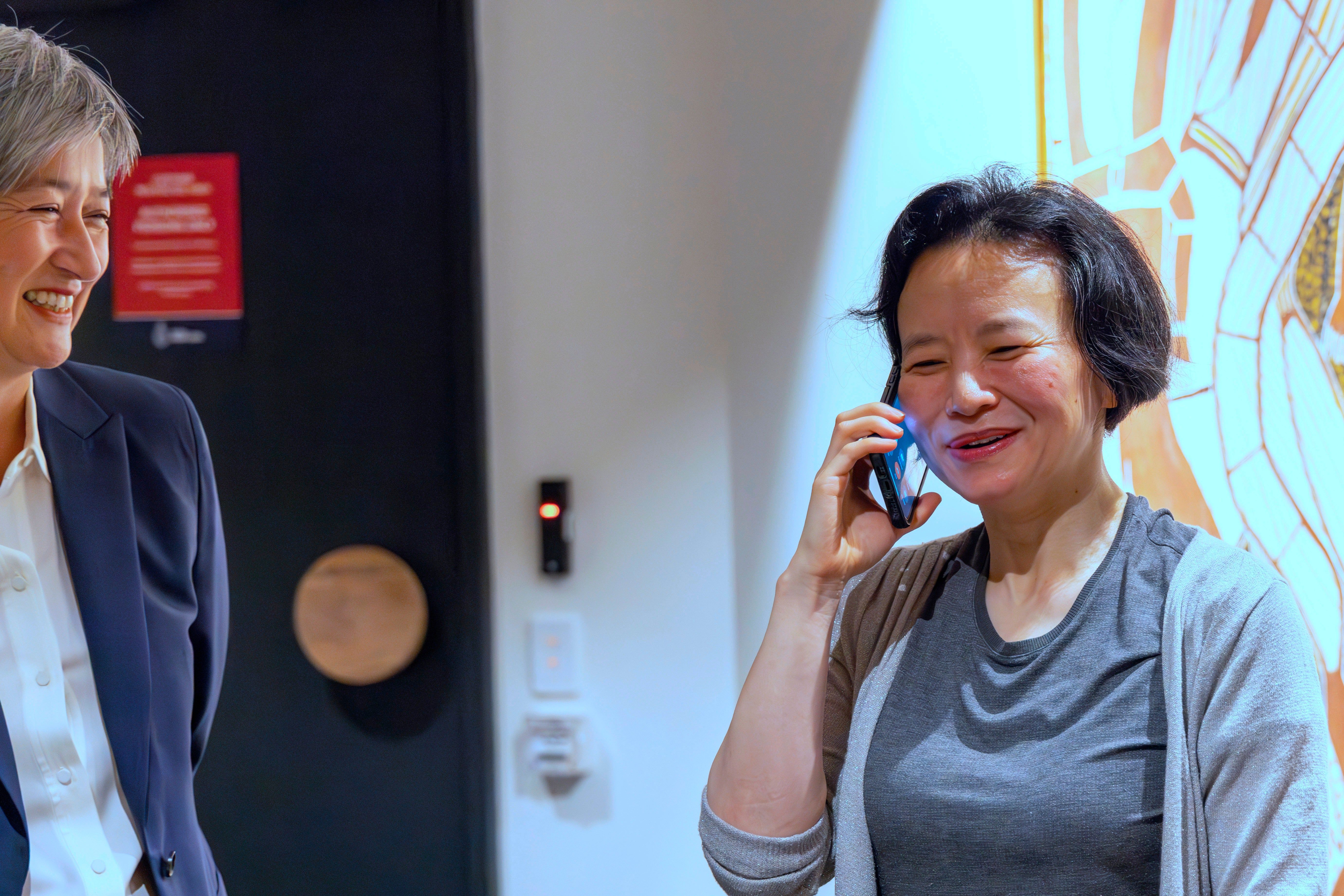
Cheng Lei, an Australian journalist formerly detained in China for three years, has transitioned from state-held confinement to public creative expression. Her post-detention life now centers on documenting her experience through a memoir, a play, and stand-up comedy, while maintaining a role as a media professional.
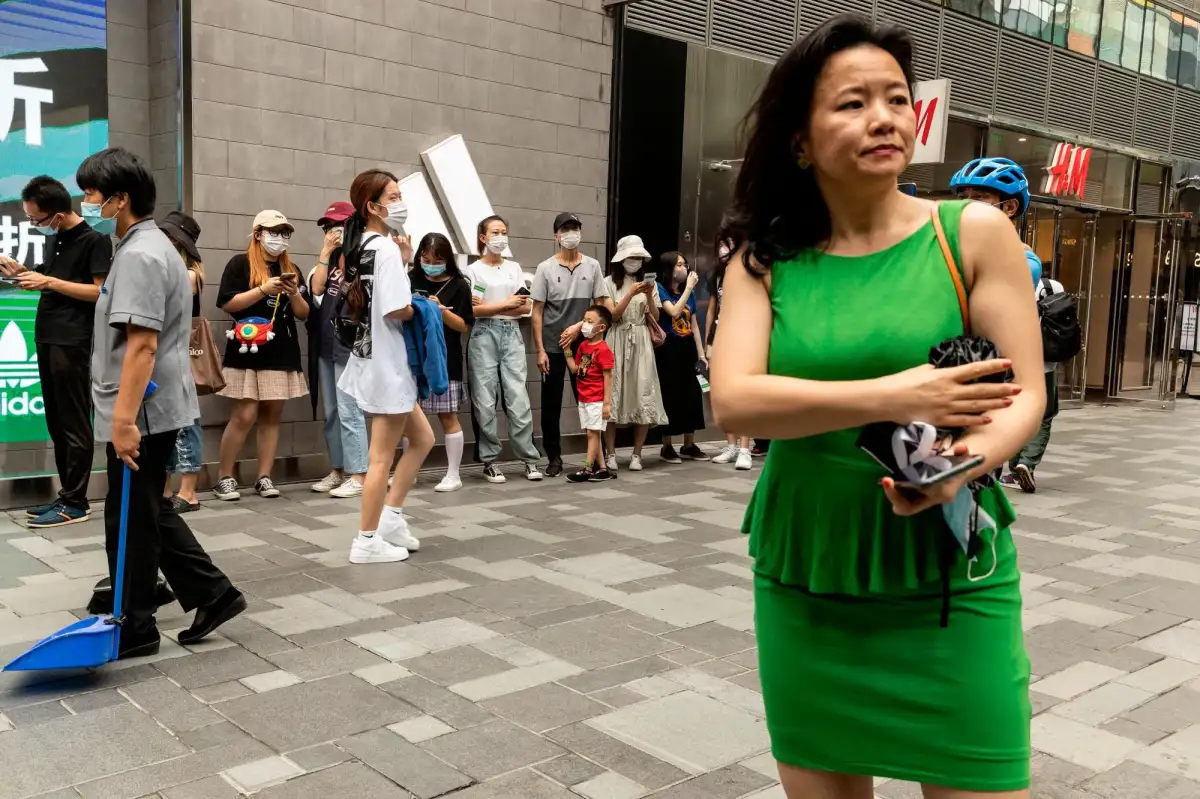
Cheng, who migrated to Australia as a child, was accused by the Beijing State Security Bureau of supplying state secrets to foreign organizations—a charge that resulted in three years of isolation within the Chinese penal apparatus.
The Mechanics of Confinement
The narrative Cheng provides—recounted in a recent documentary titled Cheng Lei: My Story—details the procedural reality of her detention:
Initial Capture: Authorities seized her electronic devices before blindfolding and transporting her to an undisclosed, high-security facility.
State Logic: She was framed as a participant in a broader geopolitical friction, effectively serving as a vessel for systemic signaling.
The Prison Environment: Her accounts describe a reality characterized by deprivation and lack of legal transparency, now being reclaimed as personal narrative material.
Data Points: The Arc of Detention
| Phase | Action |
|---|---|
| Arrest | Accused of 'espionage' and 'supplying state secrets' |
| Detention | Three years held in China's opaque justice network |
| Recovery | Resumption of media work in Melbourne; creative writing |
"All these questions I’m still asking," Cheng stated, noting the lingering dissonance of her time under the watch of state officials.
The Institutional Context
The case of Cheng Lei remains a fragment of the wider tension between Australian diplomacy and the Chinese security state. By moving her experience into the realm of the arts—specifically through her play and memoir—Cheng is attempting to bypass the silence often enforced by such regimes.
Read More: Man Dies After Setting Fire Outside UN in Protest
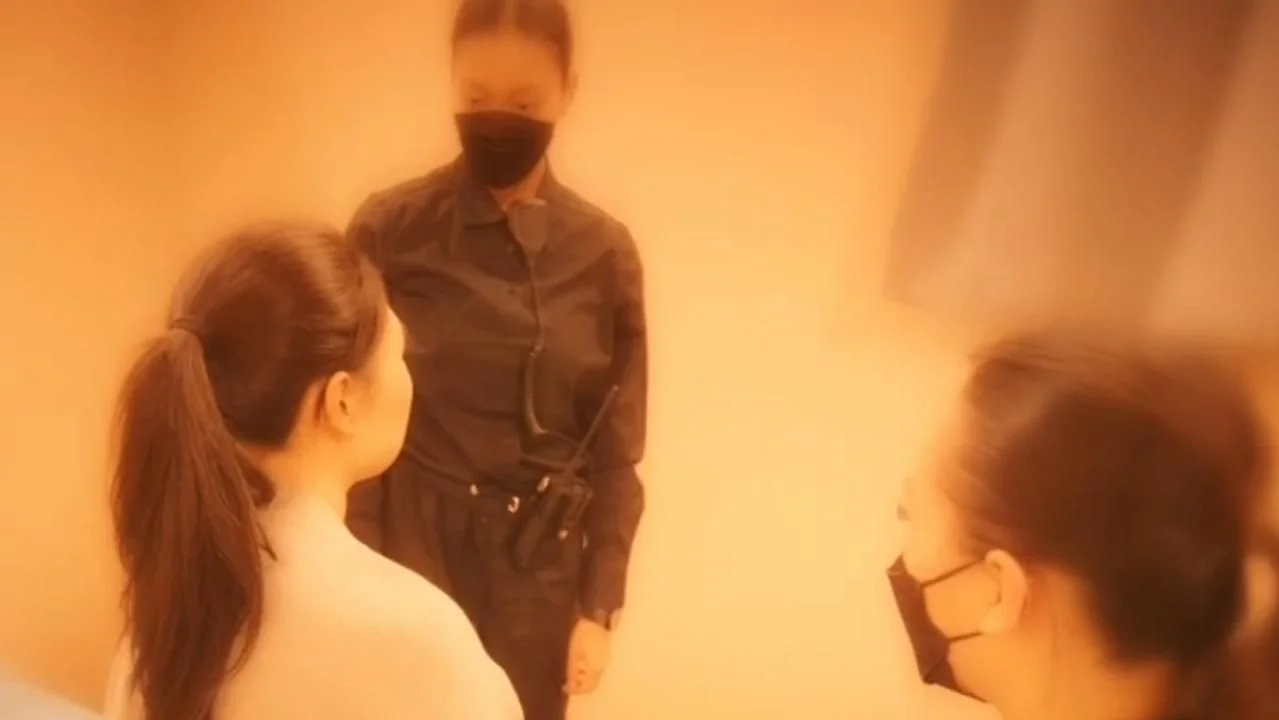
This move toward public storytelling acts as a form of witness. By utilizing comedy and theatre, she reframes the totalitarian infrastructure that once defined her existence. Rather than functioning as a passive subject of international policy, Cheng has shifted her position toward the role of an investigator, using her own history as a primary source to critique the lack of due process she encountered during her three years of captivity.
Her public output is not merely biographical; it serves as a mechanism to pressure systemic transparency, specifically citing her commitment to speak for others currently caught in similar extralegal webs.