Currently, 850,000 people in England are waiting for knee or hip surgery. Recent reports show that many of these patients will soon receive letters telling them their operations are cancelled. The main cause is a global shortage of "bone cement," a material used to hold new joints in place. Because supplies are very low, hospitals have been told to stop routine surgeries for at least two months to save what is left for emergency cases. This delay is expected to add tens of thousands of new names to the waiting lists every month.
A Critical Shortage of Medical Glue
The NHS uses bone cement in 82% of knee replacements and 60% of hip replacements. This material is necessary for about 15,000 operations every month.
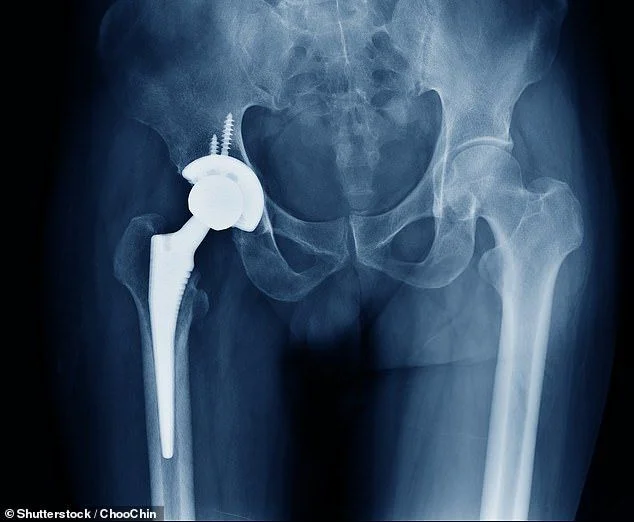
Current Supply: Health officials held emergency meetings in February 2026 after discovering only one week of bone cement was left in stock.
The Cause: A shortage of the product, which is made in Germany, has stopped the flow of supplies to the UK.
Official Strategy: Hospitals must now prioritize emergency patients. Those booked for routine joint replacements over the next two months will likely see their dates moved.
"Every two month delay… will add at least 10,000 hip and 20,000 knee replacements to existing waiting lists." — Official Projections
Where Patients Are Waiting the Longest
Data shows that where a person lives in England changes how long they might wait. Some hospital groups have very large lists, while others are much smaller.
Read More: NHS official Ms. Jones steps back from Palantir contract on 7 April 2026
| NHS Trust | Number of Patients Waiting | Status |
|---|---|---|
| Mid and South Essex | 19,100+ | Highest waiting list in the country |
| Kettering General Hospital | 1,860+ | Shortest waiting list in the country |
| Total National List | 850,000 | Total patients waiting for joint work |
The gap between the best and worst performing areas suggests that local resources and management play a large role in how fast patients get surgery.
The Cost of Short-Notice Cancellations
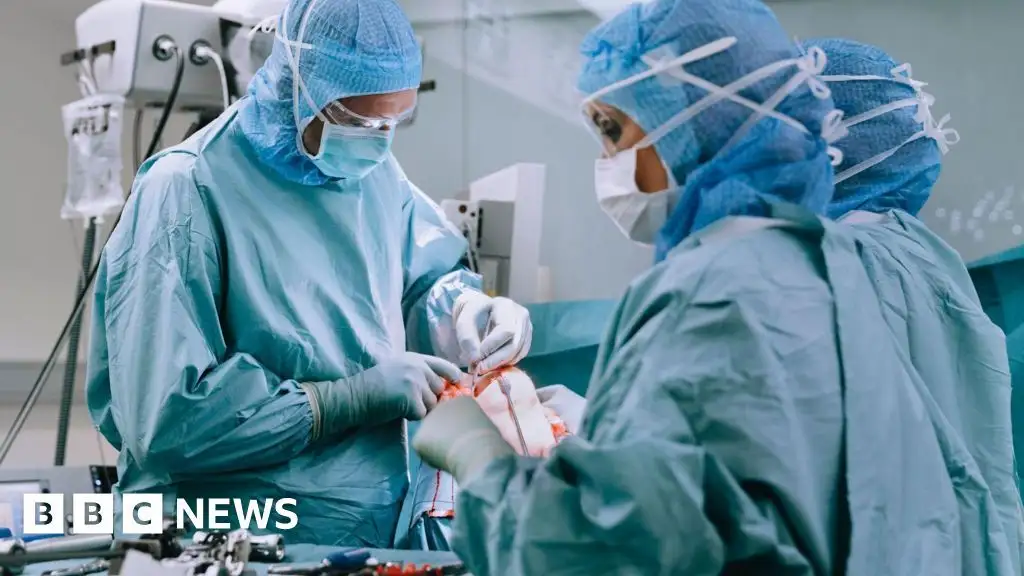
A study by the University of Bristol looked at why these surgeries get cancelled even when supplies are available. They looked at data from six hospitals over five years and found that cancellations happen more often than people thought.
The Findings: Out of 26,626 scheduled knee surgeries, 9,403 were cancelled.
Short Notice: One-quarter of these cancellations happened with less than 24 hours' notice.
Reasons for Delay: The most common reasons were a lack of open hospital beds and patients not being healthy enough for surgery on the day of the operation.
Could better bed management reduce the number of patients who are sent home after they have already arrived at the hospital?

Impact on Private and Public Healthcare
When NHS waiting lists grow, more people choose to pay for private healthcare. This moves the cost from the government to the individual but also creates a "two-tier" system.
Private Growth: Private hospitals often have better profit margins on joint surgeries, making them eager to take on patients who can afford to skip the NHS line.
NHS Financial Loss: Every time an operation is cancelled at the last minute, the NHS loses money because staff and operating rooms were already prepared and paid for.
Expert Analysis
Experts from the University of Bristol describe the high rate of cancellations as "unforgivable." They argue that the emotional toll on patients is heavy. For example, Peter Aitken, a 71-year-old former athlete, reported that his surgery was cancelled while he was already sitting in his hospital gown.
Read More: Pressure Washer Mistakes Cost UK Owners More Money

Researchers suggest that the NHS could save millions of pounds by improving how they schedule surgeries and ensuring beds are ready before a patient arrives. However, the current bone cement shortage is a "supply chain" problem that hospital managers cannot solve on their own.
Conclusion and Next Steps
The investigation shows a healthcare system facing two different problems at the same time. First, there is a long-term problem with hospital beds and scheduling. Second, there is a new, sudden problem with a shortage of medical supplies from overseas.
What happens next:
Patient Letters: Over the coming days, thousands of patients will be told their surgeries are postponed.
Emergency Use: The remaining bone cement will be saved for trauma victims and emergency bone repairs.
Waiting List Growth: If the shortage lasts longer than two months, the total waiting list could move closer to one million people.
Monitoring: Officials will continue to meet with German suppliers to see when the next shipment of bone cement will arrive.
Sources Used
Daily Mail: Where waiting lists will soar - Context on regional waiting lists and the 850,000 patient figure.
The Telegraph: NHS to cancel hip replacements for two months - Details on the bone cement shortage and emergency meetings.
BBC News: Knee surgery cancellations costing NHS millions - Information on the University of Bristol study and patient stories.
University of Bristol: Avoidable cancellation of knee replacement operations - Data on the frequency and causes of short-notice cancellations.
Internewscast Journal: Nearly One Million Knee and Hip Replacements to Be Canceled - Analysis of the shift toward the private healthcare sector.