The 340B Drug Pricing Program, a federal initiative designed to lower prescription drug costs for healthcare facilities serving vulnerable populations, is currently a subject of intense discussion and policy debate. While its proponents argue it effectively expands access to care, critics raise concerns about its structure and potential for financial gain by some participants. Understanding the program's origins, operations, and impact requires a careful look at various perspectives and available data.
The 340B program, established by Congress, allows eligible hospitals and clinics, known as "covered entities," to purchase outpatient drugs at significantly reduced prices from manufacturers. These savings are intended to help these facilities provide a wider range of services to low-income and uninsured patients, thereby supporting their safety net mission. However, questions have arisen regarding how these savings are utilized and whether the program is consistently achieving its original aims. Recent legislative proposals and administrative actions highlight ongoing efforts to address these complexities.
Read More: NHS official Ms. Jones steps back from Palantir contract on 7 April 2026
340B Program: A federal discount program providing reduced drug prices to eligible healthcare facilities.Covered Entities: Hospitals and clinics that qualify to participate in the 340B program.Safety Net Mission: The role of certain healthcare facilities in providing care to underserved populations.
Program Origins and Intent
The 340B Drug Pricing Program was created in 1992 as an amendment to the Public Health Service Act. Its core objective was to shield safety net providers from the escalating costs of prescription drugs, enabling them to better serve their patient populations. This intention is underscored by America's Essential Hospitals, which states that "Enabling access to complex care is the exact intent of the 340B program." The program allows these entities to obtain drugs at discounted prices, which are then expected to be reinvested into patient care and services.
Program Mechanics and Criticisms
Participating hospitals that are eligible as disproportionate share hospitals (DSH-type) face specific restrictions. They are unable to utilize Group Purchasing Organizations (GPOs) for outpatient drugs if they are enrolled in the 340B program. Additionally, rural hospitals participating in 340B cannot receive pricing benefits for drugs designated as orphan drugs, regardless of their medical use. This complexity has led to discussions about how savings are managed, with some reporting suggesting that hospitals can indeed generate revenue from these drug discounts.
Read More: Ireland Offers Up To $92,000 To Move To Remote Islands To Boost Population
DSH-type hospitals: A category of hospitals that serve a disproportionately large number of low-income patients.Orphan drugs: Medications developed to treat rare diseases or conditions.
Reforming and Refining the Program
There are ongoing efforts to assess and potentially reform the 340B program. The U.S. Department of Health and Human Services (HHS) is exploring options, including a potential 340B Rebate Model Pilot Program. A recent court decision in Maine vacated and remanded a previous rebate model pilot application to HHS, indicating a need for further administrative review. The Health Resources and Services Administration (HRSA), an agency within HHS, has issued a Request for Information (RFI) to gather public input on using rebates to enforce the program's ceiling price.
Legislation also plays a role in shaping the program's future. Proposals such as the "340B Transparency Act" aim to increase clarity in program operations. The "Rural 340B Access Act" seeks to expand eligibility to Rural Emergency Hospitals. Other proposed legislation, like the "Equitable Access to 340B Act" and the "340B PATIENTS Act," focuses on extending discounts to territorial disproportionate share hospitals and codifying policies related to contract pharmacy usage, respectively.
Read More: Scotland Kidney Policy Changes Cause Patient Worry
Rebate Model Pilot Program: A proposed initiative by HHS to use rebates to manage drug pricing within the 340B program.Request for Information (RFI): A formal request for public comments and data on a specific issue.
Program Growth and Utilization
The growth of the 340B program has been noted, with some sources attributing it to rising drug prices and compliant utilization rather than widespread abuse. America's Essential Hospitals argues that the program's expansion reflects these factors, maintaining that "Program growth reflects drug price growth and compliant utilization—not abuse." This perspective suggests that the program's current scale is a natural consequence of its design and the broader healthcare market.
Diverse Perspectives on Program Impact
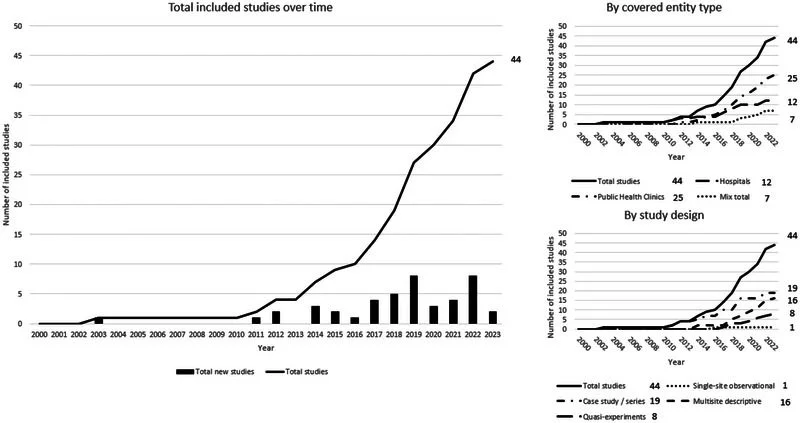
Research into the 340B program's effects is ongoing. A scoping review of empirical, peer-reviewed literature is examining the program's consequences, including its relationship with hospital provision of uncompensated care. This academic approach aims to provide a data-driven understanding of how the program influences healthcare delivery and financial outcomes for participating facilities and their patients.
Scoping Review: A type of literature review that maps out the existing evidence on a particular topic.Uncompensated Care: Healthcare services provided to patients who cannot pay for them.
Conclusion
The 340B Drug Pricing Program remains a complex but vital component of the U.S. healthcare system, intended to support access to care for vulnerable populations. While its fundamental purpose is to leverage drug discounts for patient benefit, ongoing policy discussions, legislative proposals, and administrative reviews highlight a continuing effort to ensure its effective and equitable operation. The program's future will likely be shaped by efforts to balance its original intent with concerns about transparency and financial integrity, informed by both academic research and public input.
Read More: Ohio Medicaid Audit Finds Millions in Questionable Costs
Sources:
America's Essential Hospitals: "The Truth About the 340B Drug Pricing Program." Published 18 hours ago.https://essentialhospitals.org/the-truth-about-the-340b-drug-pricing-program/Context: This source presents the perspective of an organization representing safety net hospitals, advocating for the program's effectiveness and intent.
National Center for Biotechnology Information (PMC): "Assessing the Impact of the 340B Drug Pricing Program: A Scoping Review of the Empirical, Peer‐Reviewed Literature." (Seen on Bing)https://pmc.ncbi.nlm.nih.gov/articles/PMC11176403/Context: This is a scientific literature review aiming for an objective assessment of the program's empirical effects based on peer-reviewed studies.
Pharmacy Freak: "The 340B Drug Pricing Program: The Most Complicated Program in US Healthcare, How It Allows Hospitals to Make Money on Drugs." Published November 19, 2025.https://pharmacyfreak.com/the-340b-drug-pricing-program-the-most-complicated-program-in-us-healthcare-how-it-allows-hospitals-to-make-money-on-drugs/Context: This source offers a more detailed look at program mechanics, including restrictions and potential financial benefits for hospitals.
Health Resources & Services Administration (HRSA): "340B Drug Pricing Program." (Seen on Bing)https://www.hrsa.gov/opaContext: This is an official government source providing information on the program, including administrative actions and regulatory updates.
Third Way: "Your Guide to Legislation on the 340B Drug Pricing Program." Published April 16, 2025.https://www.thirdway.org/memo/your-guide-to-legislation-on-the-340b-drug-pricing-programContext: This source analyzes legislative proposals related to the 340B program, offering insights into potential future changes and policy directions.