Despite substantial personnel adjustments through free agency, trades, and the recent draft, National Football League franchises continue to grapple with notable weaknesses across their rosters. This persistent reality suggests a perpetual state of flux, where immediate solutions remain elusive even after significant investment in team building. The annual cycle of player acquisition, while intended to fortify squads, invariably exposes lingering vulnerabilities.
Persistent Defensive Line Concerns
Several teams find their defensive fronts needing reinforcement. For instance, after drafting players like Peter Woods and R Mason Thomas, some clubs still see their defensive line as a significant area requiring depth. Reports highlight concerns with existing personnel, with players like Khyiris Tonga being a new acquisition. The overall effectiveness of defensive lines is often gauged by metrics like 'run stop win rate,' and certain teams, like the Atlanta Falcons, ranked poorly in this regard last season.
Read More: Spurs Tie Series 1-1 With Big 133-95 Win Over Timberwolves
Gaps in the Secondary and Edge Rush
The cornerback position remains a recurring theme of concern. Reports indicate that some teams lack a clear third outside cornerback, relying on players who saw limited or no defensive snaps the previous season. Similarly, edge rushing capabilities are flagged as a persistent weakness. Even with early draft picks dedicated to the position, the overall sack production of current players is often cited as insufficient.
Wide Receiver Uncertainty and Offensive Line Stability
While strategies to acquire a top-tier wide receiver often involve significant draft capital or trades, some teams still identify the 'WR1' position as a critical need. This search for a game-changing receiver is often linked to the development of young quarterbacks, with the acquisition of a star wideout seen as a catalyst for offensive breakout. On the offensive line, veteran presence like Teven Jenkins might be on short-term deals, while draft picks, even early ones like a second-round selection, may represent unproven quantities.
Read More: Marvin Bartley resigns as Livingston manager after relegation
Linebacker Depth and Special Teams Contributions
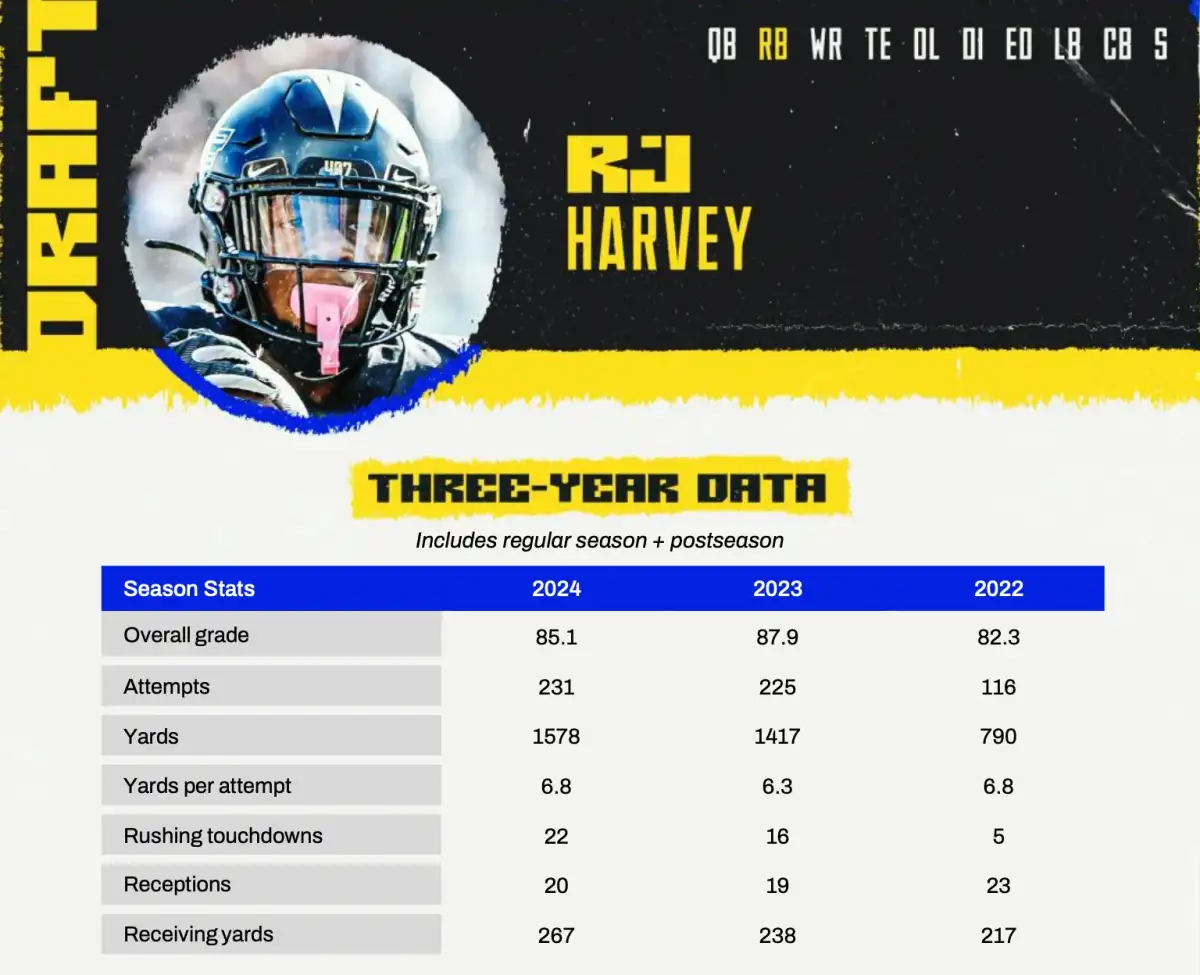
Linebacker depth is another area where deficiencies are noted. Some teams lack a clear primary player at the position, indicating a reliance on players who have seen minimal game time or have accumulated scant statistics over their careers. Player contributions are often assessed based on 'PFF overall grade' and 'PFF coverage grade,' with some units posting subpar marks and returning largely the same personnel.
Background
The period following the NFL Draft and free agency period is typically characterized by an evaluation of remaining roster needs. This analysis often surfaces positions where teams have not adequately addressed deficiencies, either due to a lack of available talent, financial constraints, or strategic decisions made during the offseason. The cited reports, published between March and May of 2026, reflect this ongoing assessment of team strengths and weaknesses in the lead-up to the next season. The discussions touch upon various strategies teams employ to fill these gaps, including draft selections, veteran acquisitions, and trades.
Read More: USC Pitcher Mason Edwards' 0.25 ERA Boosts Trojans Baseball