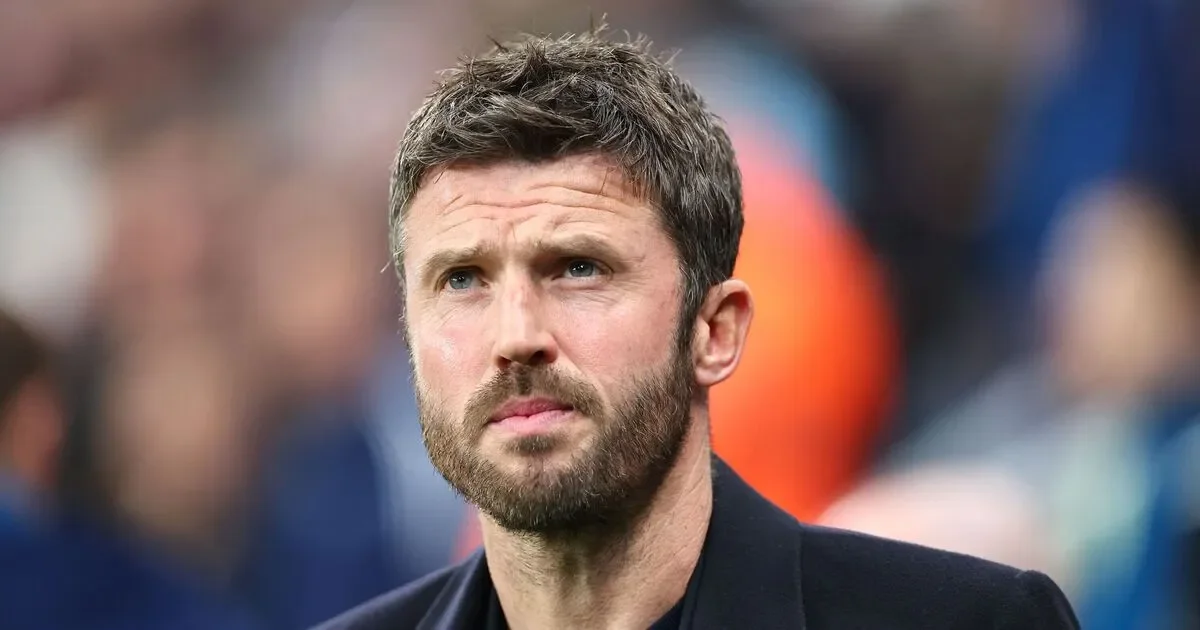
Manchester United has secured a spot in next season's 'Champions League', a feat largely attributed to the stewardship of interim manager Michael Carrick. His tenure, marked by a formidable record of 13 wins in 15 matches since taking the helm, has fueled speculation and a growing chorus for his permanent appointment. Despite this success, Carrick maintains a posture of detachment regarding his future, repeatedly stating that the decision is "out of my hands" and that he has "no time frame" for clarity.

The club's return to the Champions League is projected to significantly bolster their transfer war chest, potentially adding up to £100 million in revenue, with an estimated £200 million available for player acquisitions next season. This financial boost, coupled with Carrick's demonstrably positive impact on results, places him in a seemingly advantageous position. However, reports suggest United's hierarchy is still considering other, more experienced candidates, including figures like Andoni Iraola and Oliver Glasner, even as Iraola himself has become available after announcing his departure from Bournemouth.
Read More: Man Utd Stalls Lewis Hall Transfer to Prioritize Midfield Signings

On-Field Success Amidst Off-Field Ambiguity
Carrick's influence has been evident in United's recent performances, including a 3-2 victory over Liverpool and a crucial win against Chelsea. His ability to galvanize the squad, particularly with an injury-hit roster, has drawn praise. Players themselves have expressed admiration, referencing his past playing career and his clear understanding of match objectives. This on-field rapport and success has led some, like former player Gary Neville, to believe Carrick is in "pole position" for the permanent role, though Neville also voices reservations about whether Carrick possesses the "right profile" for the job long-term.

A Cautious Outlook
Despite the compelling statistical evidence and player support, Carrick himself remains circumspect. He has consistently downplayed comparisons to previous managers like Ole Gunnar Solskjaer, emphasizing an assessment based on his own merits. His philosophy appears geared towards a "long-term view of management," seemingly unswayed by the rapid turnover of coaching staff in contemporary football. This measured approach, while potentially frustrating for those seeking definitive answers, has been a hallmark of his interim period.
Read More: FIFA Moves Mexico vs England Match 6 Hours Earlier
Background and Broader Context
Michael Carrick's temporary role began in January, following the departure of Ruben Amorim. Since then, the club has experienced a remarkable turnaround in fortunes, transforming from a precarious league position to securing a coveted Champions League spot. This period has seen numerous managerial changes across the football landscape, with Carrick himself noting the high rate of dismissals. While Carrick's contract situation remains unresolved, the club is reportedly in discussions regarding various player futures, including that of on-loan forward Marcus Rashford, with no definitive decisions yet made. Former coach Rene Meulensteen, who worked with Carrick under Sir Alex Ferguson, has cautioned that even if appointed permanently, Carrick would face significant challenges in proving himself anew.