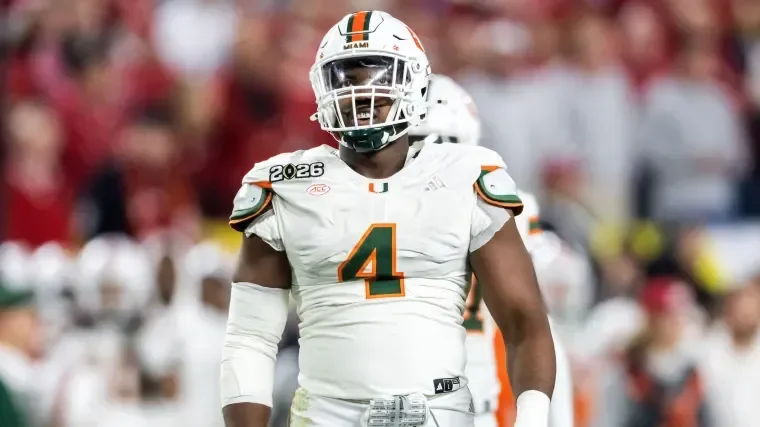
The 2026 NFL Draft, concluded over the past few days, saw teams engaging in a flurry of selections, trades, and calculated risks. While specific team needs and player evaluations formed the bedrock of many decisions, the underlying currents suggest a league perpetually attempting to forecast the future through a fog of potential and past performance. The draft's structure, spanning three days and encompassing 257 picks, highlighted a continuous pursuit of talent, from first-round fanfare to later-round gambles.
The draft’s narrative was punctuated by a strong emphasis on quarterbacks, elite defensive prospects, and wide receivers. Names like Denzel Boston, Jermod McCoy, and Avieon Terrell emerged as significant figures on draft boards, attracting considerable attention. This focus suggests a league valuing dynamic playmakers and game-changing defenders, reflecting prevailing trends in offensive and defensive strategies.
Read More: FIFA World Cup 2026 Revenue Reaches $15 Billion With New Ticket Prices
Early Rounds Showcase Strategic Moves
Early selections often signal a team's primary objectives. The Indianapolis Colts are slated to make their initial pick at No. 47 overall in Friday's second round. Similarly, the Atlanta Falcons will enter the fray at No. 56 overall in the second round. The Cleveland Browns bolstered their receiving corps by selecting KC Concepcion, a wide receiver from Texas A&M, at No. 24. The Green Bay Packers are positioned to make their first move at No. 52 in the second round.
The valuation of players, as indicated by draft boards, played a critical role. Styles was considered a "steal" at No. 3 overall, ranked as the third-best player on one analyst's board. Lemon, identified as the second-best receiver available and ranked No. 17 overall, was a target for the Eagles after a slight upward movement on their draft board. Lomu at No. 18 overall and Sadiq at No. 15 overall were also cited as strong value picks within the first round, underscoring the subjective nature of player assessment and draft positioning.
Read More: ESPN names Detroit Lions a 'bold prediction' for 2026 NFL season
"He’s the No. 8 overall player on my board, making him a strong value pick at this slot."
Addressing Player Archetypes and Development
The analysis of certain picks delved into the nuances of player fit and potential development. One prospect, described as "perfect for the AFC North," was noted for his football acumen as the son of a coach. However, concerns about his arm length (32⅛ inches) might necessitate a position change, a possibility he appeared open to at the combine, even working out at center. His resilience, having overcome a significant injury, was also highlighted. Areas for improvement, such as a need to reduce his drop rate and enhance concentration, were also acknowledged, illustrating the ongoing development required for many draftees.
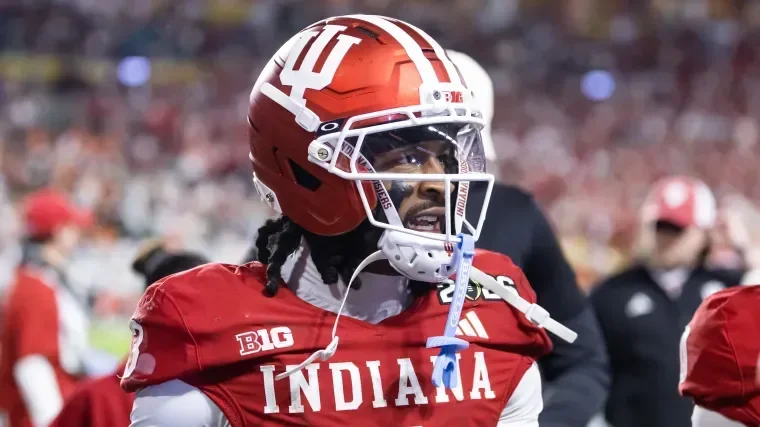
The New York Jets targeted David Bailey, an EDGE rusher from Texas Tech, seeing him as a potentially disruptive force. The team's evaluation focused on his ability to dominate blockers with speed and quickness, alongside strong coverage instincts.
Read More: England World Cup Match: Pubs Open Until 5 AM Monday
Draft Capital and Future Outlook
Beyond individual selections, the distribution of draft capital offered insight into teams' strategic approaches. The Las Vegas Raiders, Cleveland Browns, and New York Giants were identified as teams possessing the most draft capital. Conversely, the Atlanta Falcons, Green Bay Packers, Seattle Seahawks, and Cincinnati Bengals were noted for having the least. This disparity in assets shapes a team's ability to acquire talent and maneuver through draft day.
"This year’s draft is one of the most exciting in recent memory."
The draft itself followed a schedule beginning on April 23rd with the first round, followed by rounds 2-3 on April 24th, and concluding with rounds 4-7 on April 25th. Broadcast coverage spanned major networks including ESPN, ABC, and NFL Network, with various streaming options available.
Read More: Carolina Panthers May Trade Underperforming High Draft Picks in 2026
Historical Context and Ongoing Trades
The 2026 NFL Draft continued the league's tradition of trades altering draft order. Numerous picks changed hands, reflecting a dynamic environment where teams constantly seek to optimize their rosters. Picks were acquired through various means, including trades and compensatory selections, demonstrating the complex machinations that define draft day. The NFL Combine, held earlier in the year, served as a critical evaluation period, influencing pre-draft assessments and draft strategies. The full results and analysis, including grades for each pick, provide a comprehensive snapshot of team building in the current NFL landscape.
The league's pursuit of talent extends across seven rounds, with a significant number of picks allocated to each team. Compensatory selections, awarded to teams that lost notable free agents, further diversify the draft pool and provide additional opportunities for teams to address roster needs. The overall volume of picks indicates a league committed to continuous roster construction and the infusion of new talent.
Read More: Connor Bedard contract talks and Leo Carlsson offer sheet impact NHL