The Pervasive Problem of Winter Window Condensation
As winter temperatures drop, homes across regions experience a common, yet often troubling, phenomenon: condensation on window panes. This moisture buildup, appearing as fog or water droplets, not only obscures views but can signal deeper issues related to indoor humidity and temperature regulation. While seemingly a minor annoyance, persistent condensation can lead to damage and affect the overall health of a dwelling. The presence of this water is a clear indication of how atmospheric conditions within a home interact with the colder exterior.
Causes and Contributing Factors
Window condensation arises from a straightforward scientific principle: the difference in temperature between the warm, moist air inside a home and the cooler surface of window glass.
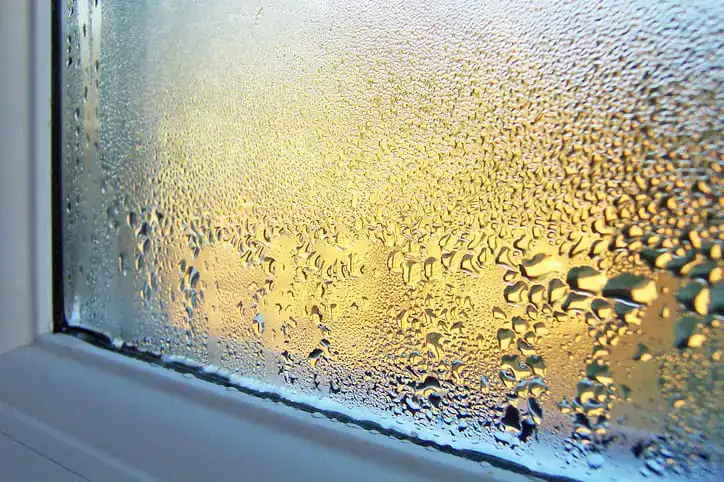
Indoor Humidity Levels: The amount of water vapor in the air inside a house plays a significant role. Activities such as cooking, showering, and even breathing contribute to this moisture. When this humid air comes into contact with a cold window surface, it cools, and its ability to hold water vapor decreases. This results in the excess moisture being released as liquid water on the glass.
Outdoor Temperature: As the external temperature falls, window surfaces become colder. This temperature differential is the primary driver for condensation formation.
Home Insulation and Ventilation: Inadequate insulation can lead to colder window surfaces, exacerbating condensation. Similarly, poor ventilation means humid air remains trapped indoors, increasing the likelihood of moisture accumulating on windows.
"Window condensation happens when there’s a significant temperature difference between the inside and outside of your home." (This Old House)
"Since it's cold outside, your windows' surfaces feel chilled – and the humid air of your home, constantly flowing onto those windows, deposits some water content constantly." (Window World)
Strategies for Reducing and Preventing Condensation
Addressing window condensation involves a multi-faceted approach, focusing on managing indoor humidity and improving the home's thermal performance.

Controlling Indoor Humidity:
Using lids on pots and pans while cooking can help contain steam.
Employing moisture absorbers in damp areas can reduce overall humidity.
Certain household plants are also noted for their ability to absorb moisture from the air.
Dehumidifiers are an effective tool for actively removing excess moisture from the air.
Improving Air Circulation and Ventilation:
Opening windows for short periods, even in winter, can help exchange moist indoor air for drier outdoor air.
Using fans, particularly window fans, can help circulate air near windows, preventing moisture from settling.
Ensuring ventilation systems are functioning correctly is paramount.
Enhancing Window and Home Insulation:
Anti-condensation paints can offer a minor insulating and damp-proofing effect.
Checking for and sealing drafts around windows can prevent cold air infiltration and reduce surface temperature variations.
In some instances, older or poorly performing windows may require replacement.
Direct Moisture Removal:
Wiping down windows regularly with a cloth is a basic method.
Window vacuum cleaners offer a more efficient way to remove collected water without spreading it further.
"To get rid of interior condensation on your windows, follow these tips: Clean the windows—Try wiping down the windows to get rid of any buildup that isn’t condensation." (Glass Doctor)
"Improving Home Ventilation to Reduce Condensation. To effectively reduce condensation on your windows, you’ll want to consider improving home ventilation and removing damp air from your home." (Tidy Home Guide)
When Condensation Signals a Larger Issue
While condensation can be a common seasonal occurrence, persistent or excessive moisture on windows warrants closer examination.
Read More: Pressure Washer Mistakes Cost UK Owners More Money

Damage Potential: Unaddressed water buildup can lead to more significant problems. This includes damage to window frames, sills, and surrounding walls. The long-term presence of moisture can also contribute to mold growth, affecting indoor air quality.
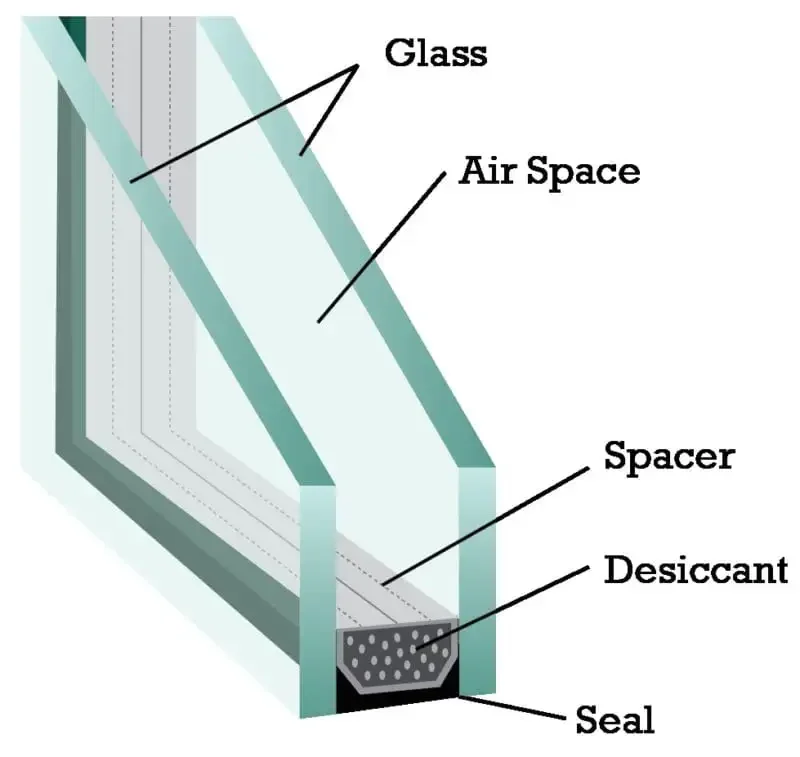
Window Performance: Condensation, particularly when it appears between window panes, may indicate a failure in the window's seals. This compromises the insulating properties of the glass unit and suggests the window may need repair or replacement.
Professional Assessment: For homeowners experiencing severe or persistent condensation issues, professional inspection is advisable. Experts in property restoration or window services can diagnose underlying causes and recommend appropriate solutions, preventing more costly repairs down the line.
"Constant condensation on your windows can be a major annoyance, as it impairs your view and often leaves a small puddle of water behind." (Better Homes & Gardens)
"Unaddressed water damage spreads rapidly, making repairs more costly." (Restoration Master Finder)
Expert Insights on Managing Winter Humidity
Professionals in home maintenance and building sciences emphasize proactive management of indoor environments.
Humidity Targets: Maintaining optimal indoor humidity levels is crucial. During colder months, keeping humidity lower can significantly reduce condensation.
Ventilation is Key: Experts consistently highlight the importance of adequate ventilation. This ensures that moisture generated by daily activities is effectively removed from the living space.
Window Quality Matters: The design and installation of windows play a critical role. Well-sealed, energy-efficient windows are less prone to condensation than older or poorly installed units.
"As the outdoor temperature drops, you need to lower your indoor humidity to prevent moisture from forming on your windows." (Western Windows)
Conclusion: A Proactive Approach to Dry Windows
Window condensation in winter is a predictable consequence of the interplay between indoor warmth and outdoor cold. While some level of condensation is normal, excessive moisture demands attention. By actively managing indoor humidity through ventilation, appropriate moisture control products, and by ensuring homes are well-sealed and insulated, residents can mitigate this common issue. For persistent problems, professional evaluation is a prudent step to protect the home from potential water damage and ensure a clear view of the outside.
Huffington Post UK: https://www.huffingtonpost.co.uk/entry/window-condensation-removaluk698ef3d4e4b0e13a41743c4c
Glass Doctor: https://glassdoctor.com/expert-tips/diy-glass/how-to-stop-condensation-on-windows-in-winter
This Old House: https://www.thisoldhouse.com/windows/preventing-condensation-on-windows
Window World: https://www.windowworldtricities.com/article/how-to-prevent-condensation-on-the-inside-of-windows
Western Windows: https://westernwindows.com/blog/window-and-door-maintenance/stop-winter-condensation-and-frost-humidity-targets-trickle-vents-and-install-details-that-matter/
Tidy Home Guide: https://tidyhomeguide.com/how-to-stop-condensation-on-windows-in-winter/
Homes & Gardens: https://www.homesandgardens.com/solved/expert-guide-how-to-stop-condensation-on-windows-overnight
Restoration Master Finder: https://restorationmasterfinder.com/restoration/prevent-window-condensation-winter/
Better Homes & Gardens: https://www.bhg.com/get-rid-of-condensation-on-windows-8710364