
NEW TOOLS EMERGE AMIDST DECADES OF DELAY
A push is underway to confront the notoriously slow and often invasive process of diagnosing endometriosis, a condition affecting roughly one in ten women. Current methods frequently necessitate lengthy waits, with many women suffering for years before receiving a definitive diagnosis, a delay that can profoundly impact quality of life and fertility. The development of novel diagnostic approaches, ranging from digital symptom checkers to questionnaire-based risk assessments and the analysis of biological markers, signals a significant shift in how this complex ailment might be identified.

ACCELERATING AWARENESS AND ACCESS
The ‘Simplified Adolescent Factors for Endometriosis’ (SAFE score) questionnaire is one such tool. It assesses six key risk factors: pelvic pain frequency, prior treatment for pelvic pain, medication use for pelvic pain, heavy or painful menstrual bleeding, and family history of the condition. This brief assessment aims to flag patients for further investigation, potentially cutting years off the diagnostic timeline.
Digital health technologies, like the Flo Health Symptom Checker, are also gaining traction. While not a diagnostic tool themselves, these platforms offer users accessible information about symptoms, encouraging earlier medical consultation when symptom patterns align with endometriosis. A study evaluating such tools suggests they could help women receive diagnoses more than 50% sooner, addressing systemic challenges in women's healthcare.
Research is also exploring non-invasive tests that utilize biomarkers. Studies are investigating the use of white blood cells as potential indicators for endometriosis, aiming to create a new diagnostic tool without the need for surgery.
Furthermore, large-scale data analysis, leveraging millions of patient records, is beginning to reveal correlations between endometriosis and other health conditions. This 'big data' approach helps to map how the disease presents across diverse patient populations, potentially uncovering new insights into its complexities.
THE LONG WAIT FOR RECOGNITION
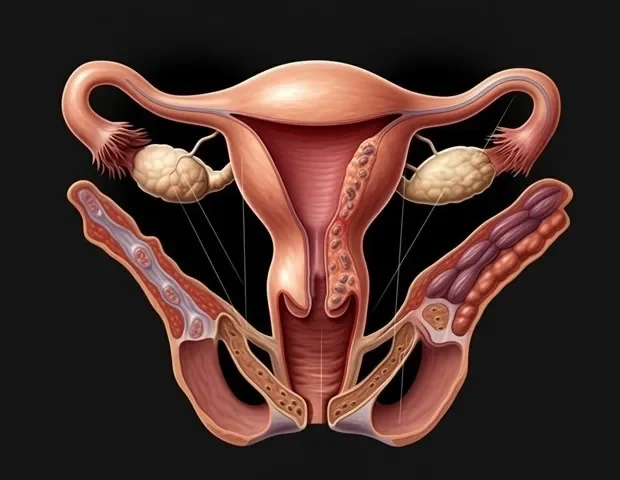
Endometriosis is characterized by tissue similar to the lining of the uterus growing outside the uterus. This growth can lead to severe pelvic pain, particularly during menstruation, pain during intercourse, and fertility issues. The diagnostic journey is often protracted, involving multiple doctor visits, invasive surgical procedures like laparoscopy to confirm the presence of endometrial implants, and a significant emotional and physical toll on those affected.
Read More: India IVF Costs And Social Barriers Limit Access In April 2026
The delay in diagnosis is often attributed to a combination of factors:

Symptom overlap: Endometriosis symptoms can mimic other conditions, leading to misdiagnosis or delayed investigation.
Lack of awareness: Both among the public and some healthcare professionals, awareness of the nuances and prevalence of endometriosis can be limited.
Diagnostic hurdles: Historically, definitive diagnosis has relied heavily on surgical intervention, a resource-intensive and invasive step.
The current momentum in research and technological development suggests a critical juncture, aiming to transform a process long marked by delay and uncertainty into a more accessible and timely experience for those suffering from this chronic condition.