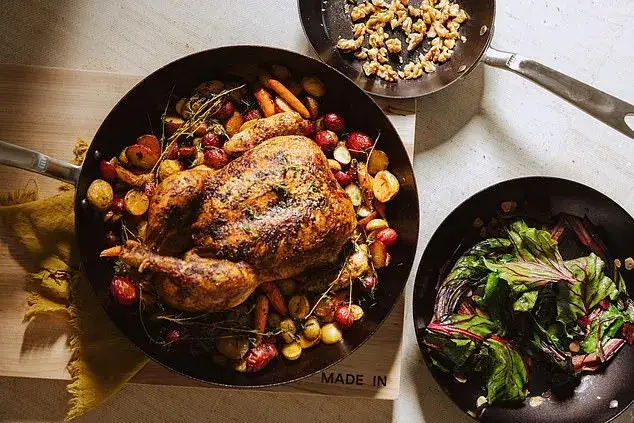
As of April 7, 2026, the intersection of professional culinary standards and consumer retail trends reveals a focus on durable, multi-material equipment. The Carbon Steel Frying Pan—a tool lauded for its high-heat tolerance and longevity—currently serves as a focal point for both domestic consumer markets and high-end professional kitchens.
| Material | Primary Utility | Professional Context |
|---|---|---|
| Carbon Steel | High-heat, non-stick potential | Precision searing |
| Stainless Steel | Consistent, even heat | Versatile execution |
| Cast Iron | Heat retention | Durable, heavy-duty prep |
Commercial branding, specifically regarding the company Made In Cookware, has successfully leveraged endorsements from industry figures like Grant Achatz to bridge the gap between three-Michelin-starred environments and the home cook. While retail narratives emphasize the "lifetime" viability of these products, the professional kitchen environment operates under a distinct set of pressures.

The Shift in Professional Culinary Priorities
In 2026, the discourse surrounding "top chefs" is moving away from the singular obsession with hardware and toward a broader critique of kitchen culture and sustainability. Trends identified within the current culinary landscape suggest that elite kitchens are balancing technical excellence with a shifting economic reality:
Read More: King Arthur Cafe Site Becomes Tino Bistro in Late April

Sustainability & Margins: Leading chefs are increasingly focused on utilizing entire ingredients to manage costs and ecological footprints.
Communal Dining: Technological saturation has driven a market desire for "human connection," manifesting in communal seating arrangements within high-end dining spaces.
Menu Revivals: There is a notable pivot back toward Classic French techniques—such as pâté en croûte—reimagined through modern lenses, alongside an influx of Southeast Asian and Middle Eastern flavor profiles.
Institutional Mentorship and the 'Michelin' Standard
The status of a "Michelin-starred chef" in 2026 is no longer solely defined by the technical mastery of a sauté station. Analysis of the current Michelin List indicates that institutional prestige is now tethered to mentorship, culinary systems innovation, and sustainable farm-to-table practices.
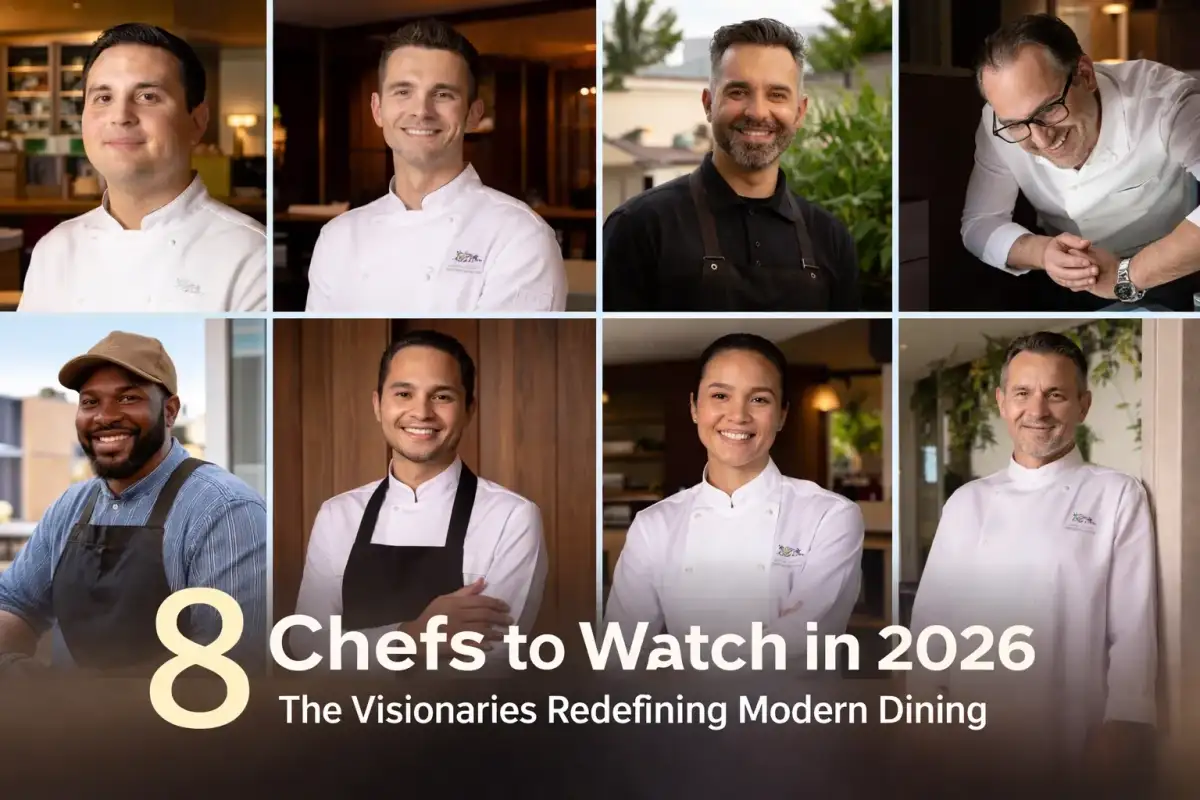
The distinction between a tool—like the frying pan currently gaining consumer traction—and the systemic rigor of a professional kitchen remains vast. While retail outlets frame the acquisition of specific Cookware as a pathway to professional-grade results, the reality of the 2026 culinary industry rests on the ability to navigate economic volatility, global supply chains, and the necessity of creating "timeless" dining experiences that prioritize regional ingredients over the mere efficiency of hardware.
The industry is currently in a state of adjustment where the Visionaries of the field are moving toward a synthesis of rigid technical discipline and a more flexible, human-centered hospitality model.
Read More: Stanley Cup Sale In France Offers Tumblers And Cookware