Recent scientific explorations are highlighting a growing concern for European honey bee (Apis mellifera) populations: the insidious spread of Tropilaelaps mites. These parasitic arachnids, native to Asian honey bee species, are now confirmed to be establishing themselves in Europe, posing a significant threat to the continent's crucial pollinator workforce. Investigations into early detection methods, published within the last year, reveal both advancements and urgent needs in surveillance.
New research offers refined techniques for identifying Tropilaelaps mites early, a critical step in curbing their spread across European honey bee colonies. The urgency is underscored by the mite's demonstrated ability to jump species, moving from its natural hosts to infest the commercially vital Apis mellifera.
Refining Surveillance Techniques
A study published just one day ago in 'Scientific Reports' details an evaluation of various methods for the early detection of Tropilaelaps mites in European honey bee colonies. This work contributes to a broader effort to improve surveillance techniques globally.
Read More: New Wheat Makes Bigger Starch for Food and Industry

Earlier in 2025, a scientific note in 'Apidologie' focused on a specific technique called 'Rapid brood decapping'. This method showed promise, successfully identifying the presence of Tropilaelaps mercedesae, a particular species of the mite, in a high percentage of subsequently laboratory-confirmed positive samples. This technique involves visually inspecting honey bee brood after removing the capping, a procedure that appears effective in spotting infestations.
Another significant contribution, published at the end of 2024, assessed the efficacy of both field and laboratory detection methods for Tropilaelaps spp. This research acknowledges the mite as an "emerging threat" and explores its ecology, life history, and management, emphasizing the need for robust detection strategies.
A Mite on the Move
The 'PHIRA-Science' platform highlights that Tropilaelaps mites naturally infest the Giant Asian honey bee (Apis dorsata). Their ability to transfer to Apis mellifera when the latter were introduced to Asia is a key factor in their current spread.
Read More: Europe June 2026 heatwave caused 39 percent rise in Belgium deaths
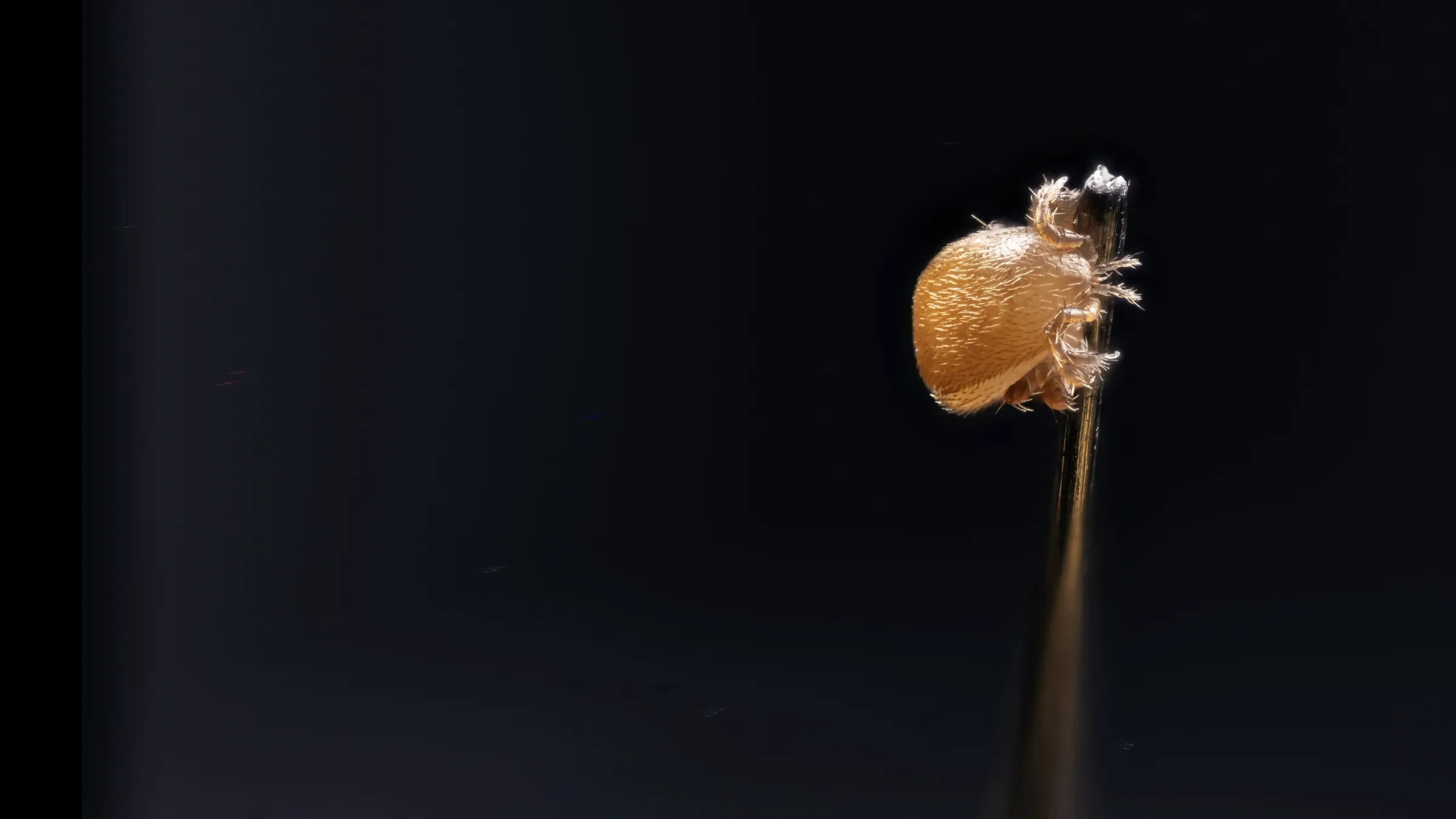
Resources from 'Honey Bee Pests' and 'Project Apis m.' indicate that Tropilaelaps mercedesae has been observed on Western honey bees exiting colonies. Worryingly, reports from Georgia note the "heading westward" of this mite, and there is a "first report of established mite populations" in Europe, signaling a worrying westward expansion. These observations suggest a need for heightened vigilance, particularly for beekeepers managing colonies that may have come into contact with international trade or migratory bee populations.
Background on Tropilaelaps
Tropilaelaps mites represent a significant parasitic threat to honey bee health worldwide. Unlike the more widely known Varroa destructor, Tropilaelaps mites reproduce within the brood and are considered more virulent, potentially causing more rapid colony decline. Their natural hosts are Asian honey bee species, but they have demonstrated a concerning adaptability to infest European honey bees (Apis mellifera).
Read More: Karnataka requests higher Totapuri mango limit for farmers in April 2026
Efforts to combat this pest involve a multi-pronged approach. 'Project Apis m.', for instance, has been actively involved in educating beekeepers in the US and Canada about Tropilaelaps, even though the mite is not yet established there. This proactive educational campaign, featuring documentaries and practical guides on identification, biology, and management, underscores the perceived gravity of the threat and the importance of preparedness. Resources often highlight traditional methods, including cultural and chemical controls, and draw lessons from beekeeping practices in regions where the mite has long been present, such as Thailand.