The landscape of artificial intelligence, particularly concerning Large Language Models (LLMs) and Visual Language Models (VLMs), is experiencing a rapid surge in both development and scrutiny. Consequently, resources for practicing and evaluating skills in these areas are becoming increasingly vital. A recent compilation highlights various platforms, courses, and benchmarks designed to facilitate this assessment.
The current proliferation of AI models necessitates robust methods for comparison and evaluation. Tools such as the 'LLM Leaderboard 2026' at benchlm.ai offer a comprehensive comparison of over 231 AI models across 193 benchmarks, providing data on pricing, runtime, and context windows.'

Newer services like Google's Vertex AI Evaluation also provide a pathway for assessing individual LLM outputs, as detailed in a recent codelab published on April 15, 2026. These platforms aim to offer decision-ready insights into model performance, encompassing areas like long-context capabilities, tool usage, web research, and image understanding.

Skill Development Pathways Highlighted
Beyond direct evaluation, avenues for skill acquisition and practice are gaining prominence. Numerous courses, many available in 2025 and extending into 2026, offer introductions to Generative AI and LLMs. Platforms like Coursera host specializations such as "Generative AI with LLMs" and "Generative AI Engineering with LLMs," with some course materials accessible via GitHub repositories.
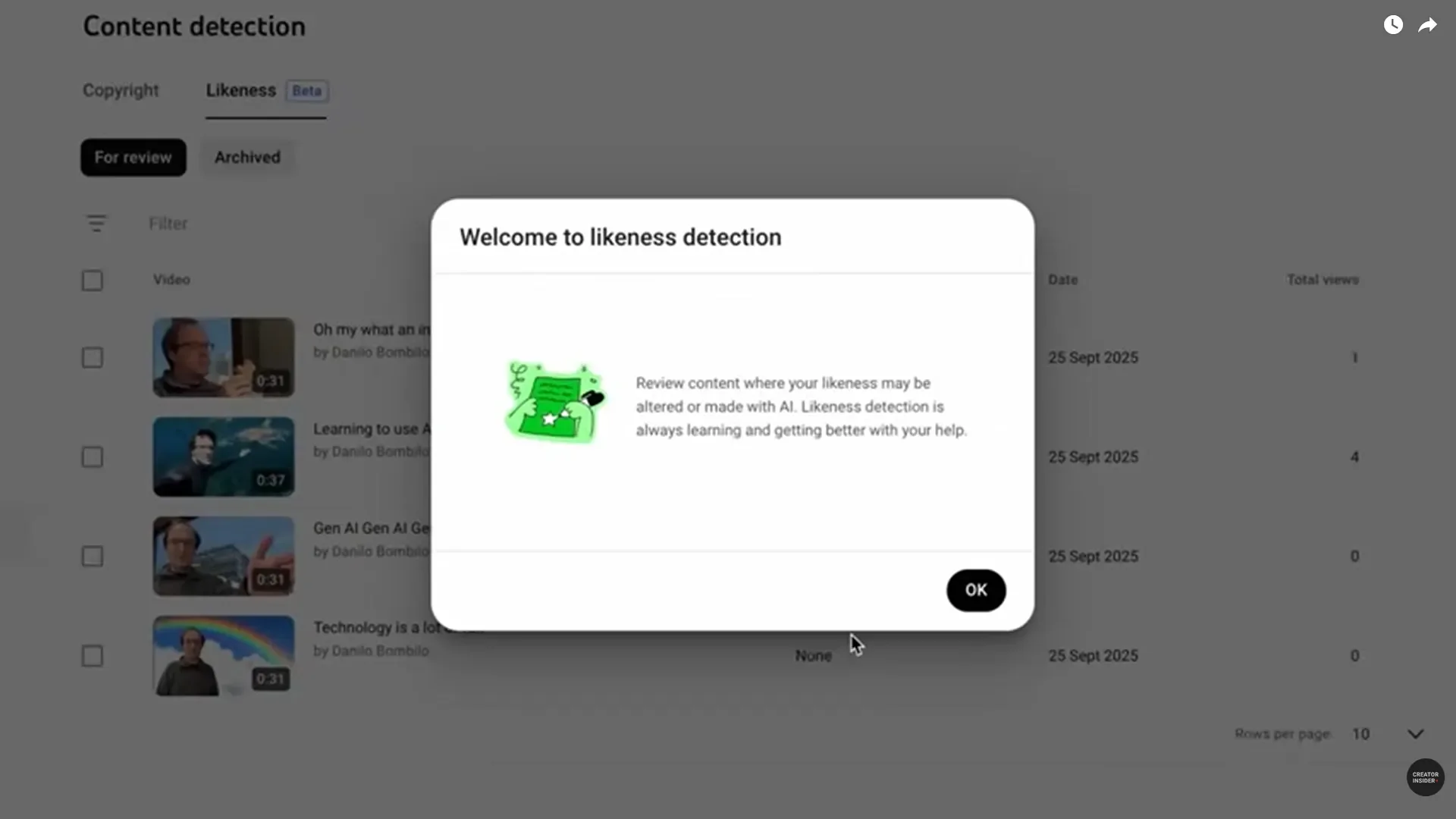
Read More: YouTube Tool Now Helps All Creators Detect Deepfakes of Themselves

Project-based learning is also a significant component, with resources like "40 LLM Projects to Upgrade Your AI Skillset in 2025" from ProjectPro.io suggesting practical applications. These projects often involve building memory-enabled chatbots, document Q&A systems using frameworks like Langchain and Gradio, and metadata generation systems that leverage LLMs and vector databases.

Visual Learning and Expert Insights
A notable trend in AI education emphasizes visual explanations and engagement with key figures in the field. The 'llm-lab' GitHub repository serves as a community-driven playbook, curating visual resources and highlighting influential AI experts. Individuals like Andrej Karpathy, Andrew Ng, and Jay Alammar are frequently cited for their contributions to visual teaching methods.
Newsletters and specialized platforms, such as "The Rundown AI" and "The Neuron," offer daily or weekly visual insights into AI news, tools, and applications. Open-source libraries like Hugging Face's Transformers, LangChain, and LlamaIndex are also recognized for their detailed visual documentation and implementation examples, further aiding practical understanding.
Read More: AI Models: Small Models More Reliable Than Big Models For Specific Tasks
Educational Focus Areas
Educational offerings often target specific aspects of LLM and Generative AI development. This includes:
Fundamentals: Courses covering AI, Machine Learning, and the underpinnings of Generative AI.
Application Building: Training paths focusing on developing and deploying AI applications, with cloud providers like Google (Vertex AI) and AWS (Bedrock) offering dedicated training.
Advanced Techniques: Specializations in areas like Retrieval Augmented Generation (RAG), focusing on retrieval quality and evaluation.
Practical Implementation: Hands-on work with libraries such as Hugging Face's Transformers.
These resources collectively point towards a growing ecosystem dedicated to both the creation and critical assessment of generative AI technologies.