

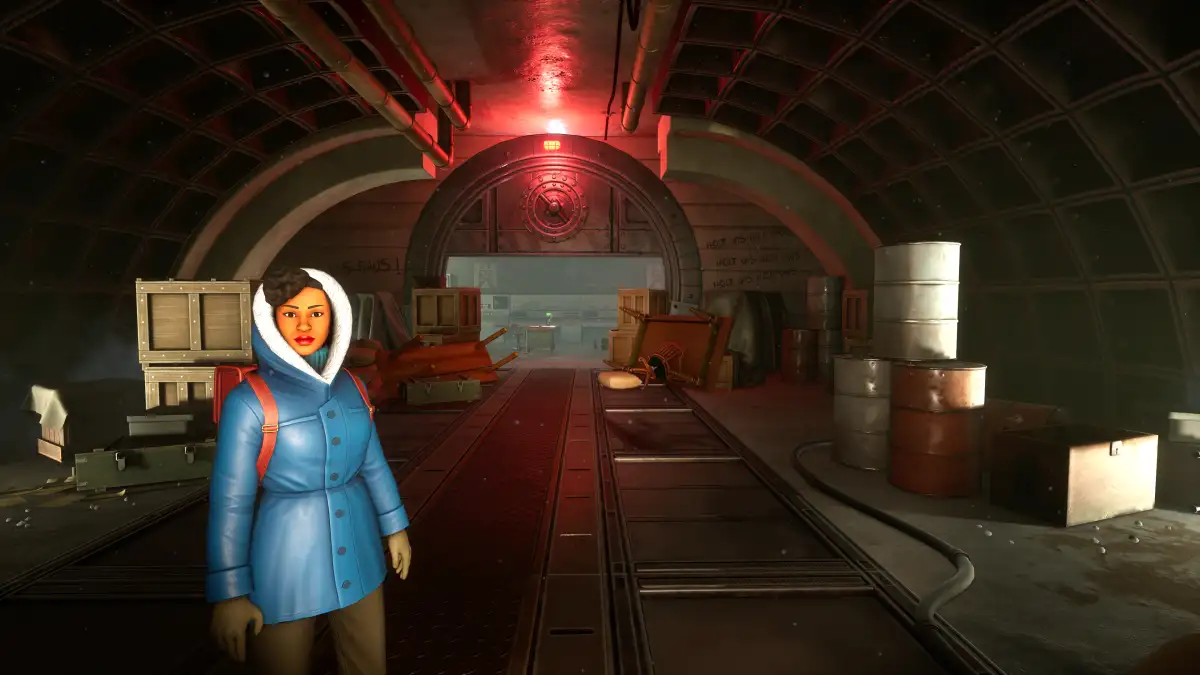
Puzzles Take Center Stage in Lovecraftian Sequel
Call of the Elder Gods, the latest offering from developer Out of the Blue Games, has landed, presenting players with a narrative puzzle adventure that leans heavily into the 'Indiana Jones' meets 'Lovecraft' aesthetic. Released on May 12th, this sequel to Call of the Sea largely retains the core gameplay loop of its predecessor, emphasizing observation-based puzzles and environmental interaction. The game, available on Xbox Series X|S, PlayStation 5, PC, and Nintendo Switch, centers on the investigations of Professor Harry Everhart and his student, Evangeline Drayton, delving into mysteries inspired by H.P. Lovecraft's The Shadow Out of Time.

The experience is described as relatively short, with reports suggesting a playtime of around six hours. Critically, the game appears to trust its audience, presenting complex scenarios without excessive hand-holding, a departure from more patronizing game designs. This trust is a recurring theme, allowing players to piece together solutions and feel the weight of discovery.
Read More: Danganronpa 2x2 Delayed to Early 2027, New Slayhem Mode Added
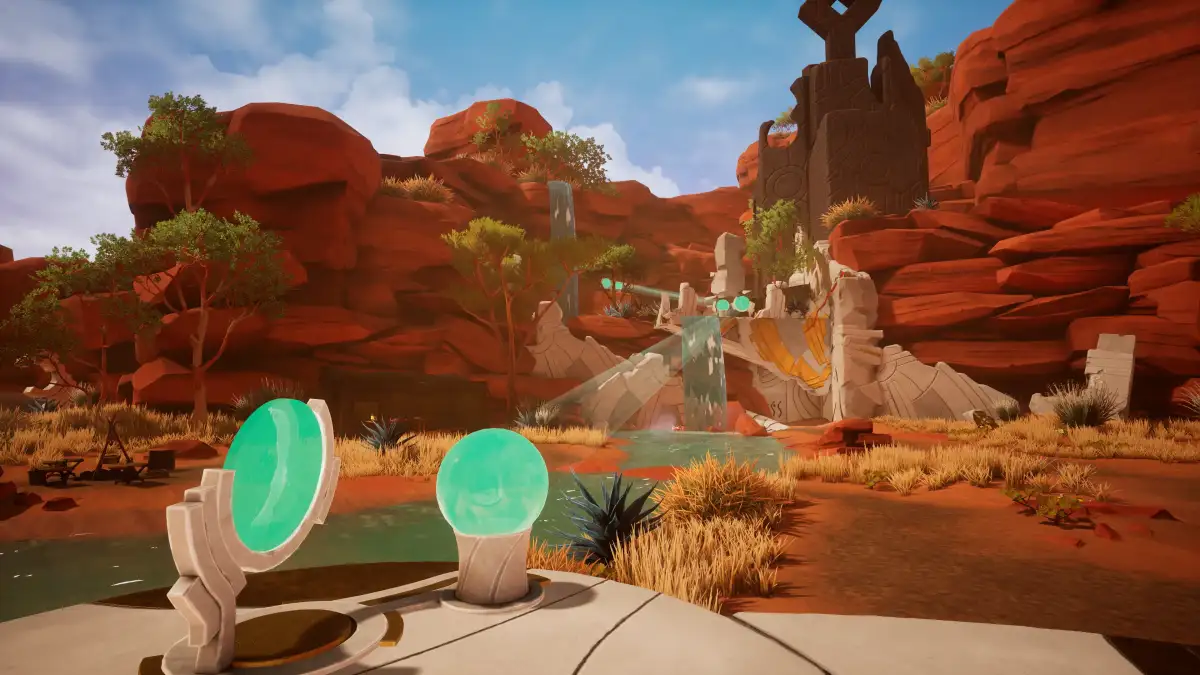
A Globe-Trotting Expedition with Divergent Structures
Unlike the more contained setting of the original Call of the Sea, Call of the Elder Gods adopts a more expansive, globe-trotting structure. This shift, while aiming for a grander scale, has led to some observations of an uneven difficulty curve and a fragmented progression. Players will find themselves swapping between characters, Harry and Evangeline, to tackle multi-part puzzles that span different locations and even dimensions.

While the puzzles are generally lauded for their imagination and variety, ensuring that no solution feels overly rehashed, some critics noted that certain mechanisms could benefit from clearer explanations. The visual design is frequently highlighted as bold and colorful, contributing to a unique, almost 'cozy' atmosphere despite the cosmic horror themes.
Read More: Taylor Swift and Travis Kelce Marry at Madison Square Garden
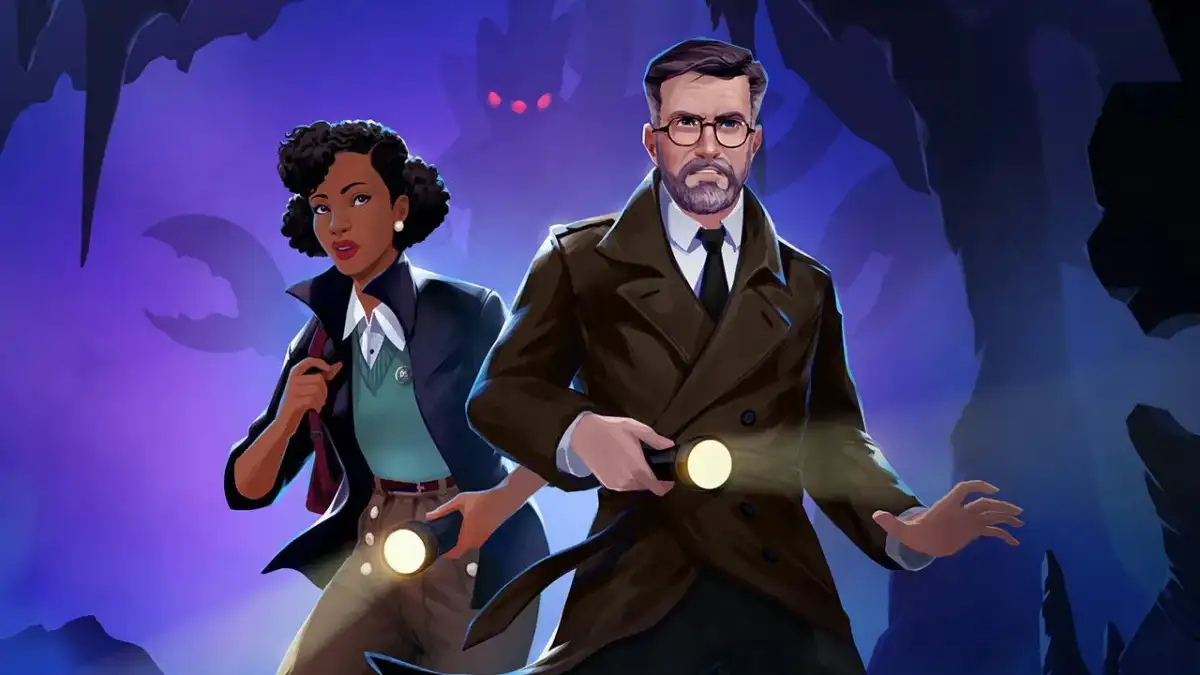
Legacy and Expectations: Building on Call of the Sea
Call of the Elder Gods revisits the Miskatonic University setting, picking up six years after the events of Call of the Sea. Knowledge of the original game or Lovecraftian lore is not deemed essential for new players to engage with the story. The sequel aims to build upon the successes of its predecessor, expanding its scope without sacrificing its core magic.
However, some reviewers have expressed a feeling that something might be missing when directly comparing it to the first game, with an admitted enjoyment not quite matching that of its predecessor. The conversational nature of the game, where characters offer frequent commentary on interactable items, has also been noted as potentially excessive by some. Ultimately, Call of the Elder Gods seems to occupy a distinct niche, offering a challenging yet accessible puzzle adventure that resonates with fans of narrative-driven mysteries and the broader Lovecraftian mythos.
Read More: Attack on Titan 3 lets players change game ending







:max_bytes(150000):strip_icc():focal(799x0:801x2)/nyc-sky-taylor-swift-travis-kelce-wedding-070326-2dc0d912004b400eac2c8c8b5adeff2a.jpg)