As the Eurovision Song Contest reaches its 70th anniversary in Vienna, the event is increasingly defined by two parallel crises: the systemic instability of its individual participants and a widening rupture regarding its apolitical mandate.

While the competition markets itself as a stage for musical transcendence, recent years have unveiled a consistent pattern of post-victory volatility for performers. Simultaneously, the inclusion of certain delegations has transformed the contest into a site of international friction, calling into question the survival of the EBU's foundational neutral mission.
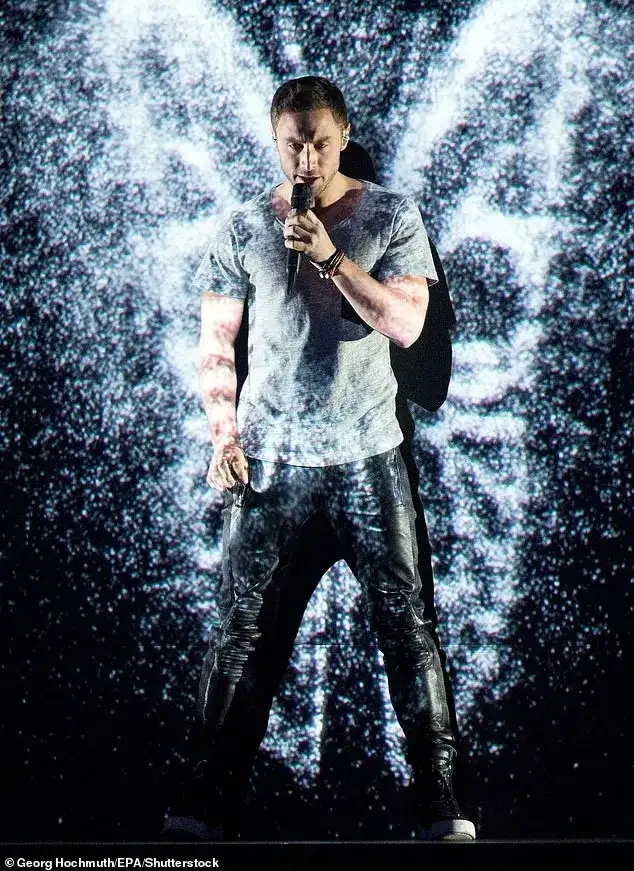
The Anatomy of the 'Curse'
Evidence suggests that for many artists, the platform serves as a ceiling rather than a springboard. Reports indicate that several former contestants have struggled with long-term financial, psychological, and domestic upheaval following their participation.

Key signals of post-Eurovision instability include:

Financial Destitution: Documented cases of former stars, once successful, finding themselves in extreme poverty, including reliance on emergency housing.
Domestic Fragmentation: High-profile disputes involving marital breakdown, accusations of "toxic behaviour," and allegations regarding the mismanagement of shared professional assets.
Psychological Strain: Instances of withdrawal and life-altering health events post-competition, complicating the transition back to private life or a sustained career.
Geopolitics and the Crisis of Neutrality
The 70th-anniversary celebration arrives at a moment of acute institutional strain. Critics argue that the competition is no longer insulated from global conflicts, specifically regarding the ongoing war in Gaza and the inclusion of states facing widespread public opposition.
Read More: Taylor Swift and Travis Kelce Marry at Madison Square Garden
| Concern Area | Impact on Eurovision |
|---|---|
| Institutional Trust | Allegations of lobbying to secure broadcaster participation despite calls for boycotts. |
| Performative Politics | Tension between the 'art-over-politics' stance and the reality of national branding. |
| Structural Integrity | Growing list of countries opting out, signaling a "deep rift" within the Eurovision family. |
The Cost of Visibility
The No Music for Genocide movement has amplified the demand for structural exclusion, transforming the audience and artists into active participants in geopolitical disputes. What was intended to foster cultural harmony is currently characterized by intense protests, leading to a reliance on technical obfuscation—such as crowd audio mixing—to manage the visible dissent of the public.
For the United Kingdom, this year’s entrant, Look Mum No Computer, performs under the weight of these mounting pressures. The competition faces a fundamental question as it exits its seventh decade: can a broadcast format built on national pride and pop spectacle continue to operate as a "safe space" when its participants and members are increasingly divided by the very conflicts they once sought to transcend?





:max_bytes(150000):strip_icc():focal(799x0:801x2)/nyc-sky-taylor-swift-travis-kelce-wedding-070326-2dc0d912004b400eac2c8c8b5adeff2a.jpg)