SubQ LLM Introduces Sub-Quadratic Attention, Challenging Transformer Dominance
SubQ, a recently unveiled Large Language Model (LLM), presents a significant architectural departure with its Subquadratic Sparse Attention (SSA) mechanism. This innovation, detailed in a May 6, 2026, release, directly addresses the computational and memory constraints inherent in processing lengthy sequences. SSA fundamentally reworks how attention operates, aiming for near-linear scaling in compute and memory demands for extended inputs, a stark contrast to the quadratic scaling typical of standard transformer architectures. This development is positioned as a solution for AI initiatives hindered by context limitations, moving beyond mere incremental increases in context window size.
Evolution Pushes Beyond Standard Transformers
The LLM landscape is experiencing a period of intense architectural evolution, marked by a persistent drive for greater efficiency and capability. Research efforts focus on making these models faster, smaller, and more accessible. This includes exploring methods to reduce the reliance on massive training datasets, such as generating synthetic data or enhancing learning algorithms to extract more generalization from existing information.
Read More: Google AI Helps Buy Clothes Directly From Search
Recent advancements between 2024 and 2026 highlight key architectural improvements aimed at making LLMs quicker, more efficient, and more potent. The impact of LLMs is already extending across various industries, reshaping business operations, customer service through advanced chatbots, and creating new roles.
Meta's "Large Concept Model" Explores Hierarchical Processing
Beyond linear sequence processing, Meta has introduced what it terms a "Large Concept Model." This approach, circulating as early as December 28, 2024, endeavors to mimic hierarchical thought processes. The architecture reportedly moves beyond traditional language modeling by enabling AI to conceptualize larger, more abstract ideas, suggesting a move towards AI that can engage with meaning beyond mere linguistic output. This development signals a potential rethinking of fundamental LLM capabilities.
Transformer Understanding Remains Key
Despite emerging alternatives, a foundational grasp of the 'Transformer' architecture remains crucial for understanding the current trajectory of LLM development. New techniques and refinements are continuously enhancing Transformer performance, making it a persistent area of interest. Comprehensive resources, including extended video courses, are available to explore these foundational elements and their ongoing impact.
Read More: Google Flow AI Update 2024: New Music Tools Announced
Broader Trends and Industry Integration
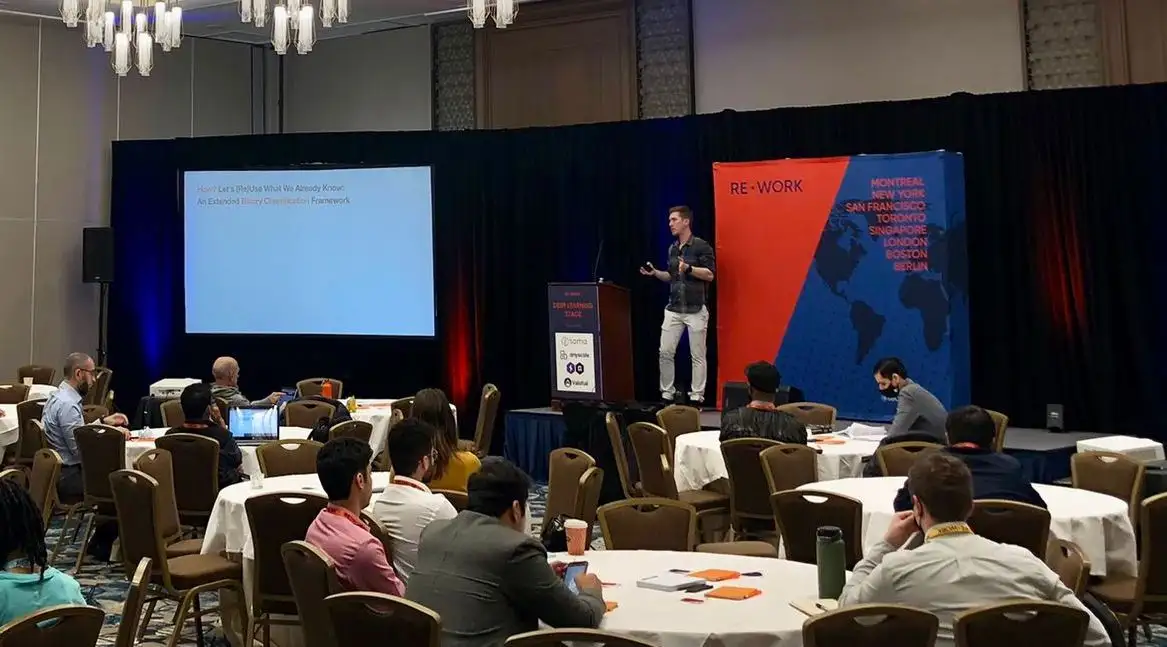
Ongoing discourse surrounding LLM advancements includes discussions on hardware and software trends, with presentations at various applied machine learning conferences and summer schools touching upon these shifts. The push for more adaptive, efficient, and integrated AI systems continues to shape the field, with predictions of deeper embedding into daily life and work.