Google is integrating advanced AI capabilities into its search and shopping platforms, aiming to transform the consumer experience from initial product discovery to final purchase. These updates position Google's AI not just as an information provider, but as an active agent capable of managing significant aspects of the shopping journey. Key features include 'conversational search' for product discovery, an 'agentic checkout' system enabling AI to finalize purchases, and an AI tool that contacts physical stores to verify product availability.
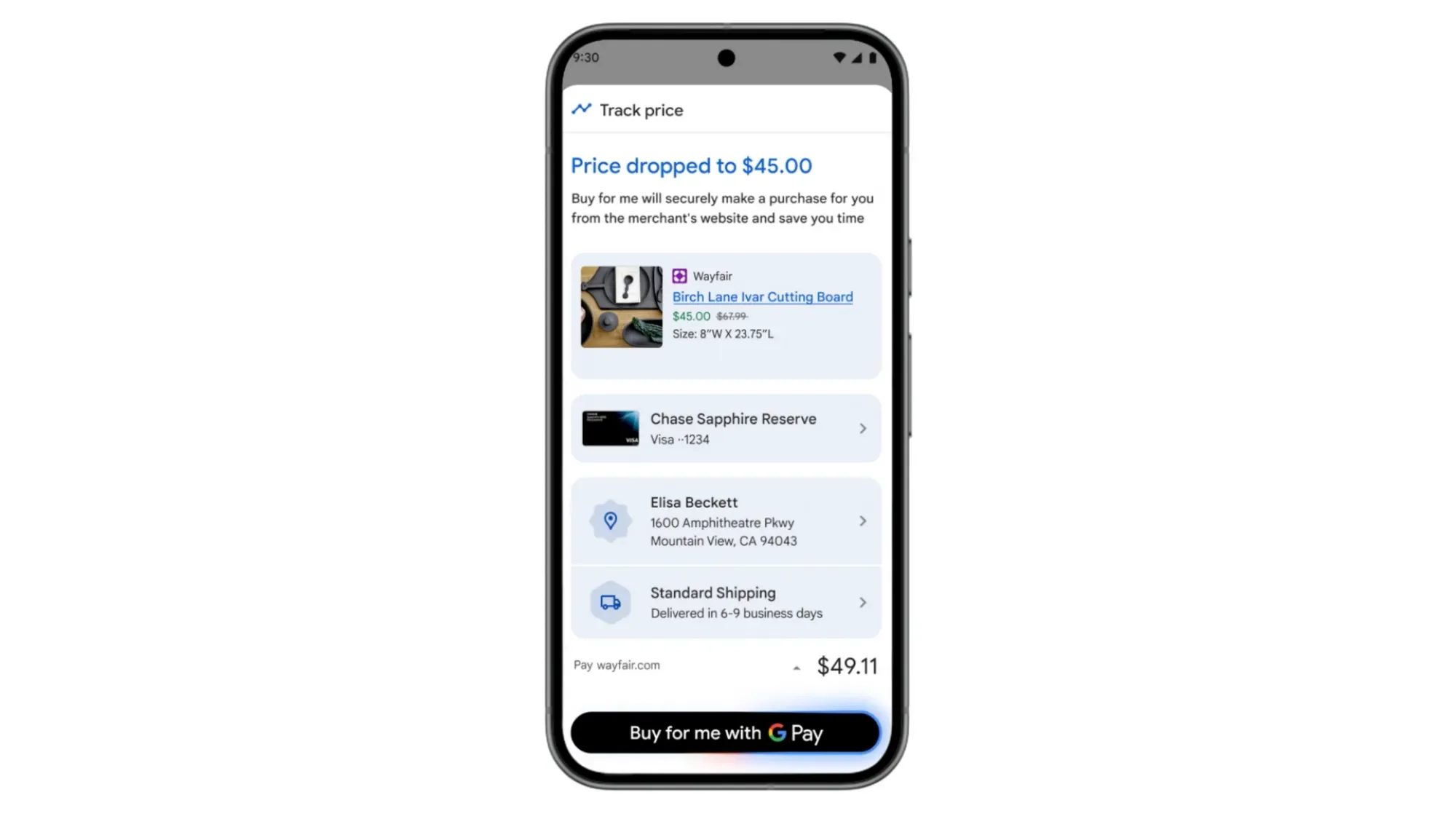
This significant pivot involves a suite of new tools rolled out across Google Search and its Gemini application. The initiative aims to simplify and expedite the shopping process, particularly with the holiday season approaching. The company is introducing 'agentic checkout' directly within Google Search's AI Mode in the US, allowing users to browse and purchase items, such as apparel, without leaving the search interface.
Read More: Chrome mimeHandler API lets extensions handle file types
AI as a Personal Shopper and Agent
The enhancements aim to make online shopping more intuitive and less demanding for users. Google's AI can now:
Engage in Conversational Search: Users can describe desired products, like "cozy sweaters in autumn colors," and the AI will present relevant options.
Verify Stock via Phone Calls: An AI tool is designed to call local brick-and-mortar stores to confirm the availability of specific items, providing a summary of its findings.
Facilitate Agentic Checkout: This feature allows AI to complete purchases under user-defined constraints, streamlining the payment process. Known as the Agentic Payments Protocol (AP2), it's slated for wider integration.
Manage a Universal Cart: This allows users to aggregate items from various merchants and platforms, track price fluctuations, identify potential compatibility issues, and maximize rewards.
Provide Price Insights and Alerts: The AI will notify users when prices drop within their desired range and, with permission, can automatically make purchases.
Offer Virtual Try-On: Particularly for fashion, AI allows users to virtually try on clothing, sometimes using their own uploaded photos, to assess fit and style.
Blurring Lines Between Search and Commerce
Google's strategy increasingly merges search functionality with direct transactional capabilities. Features like 'Native Checkout in AI Surfaces' and 'Search Checkout' (previewed earlier) enable users to buy items directly from Google Search results, eliminating the need for redirects to external retail sites.

The company is leveraging its Google Shopping Graph, a comprehensive dataset of products and vendors, to power these AI functionalities. Brands are encouraged to train the AI on their own data, potentially influencing search results and brand visibility within the AI-driven shopping environment.
This push aligns with broader industry trends, where other major players like Amazon are also experimenting with integrated price-tracking and purchasing tools. Google's approach signals a move toward AI acting as a proactive assistant, managing complex tasks and personalizing the shopping journey. The goal appears to be a more seamless, efficient, and perhaps even enjoyable consumer experience, driven by AI’s capacity for complex task execution and personalized interaction.
Read More: Amazon Prime Day 2026 India: Big Discounts on Phones and Electronics