Union grievances snowball, threatening production as record earnings loom.
Tens of thousands of Samsung Electronics workers converged at the company's sprawling factory complex in Pyeongtaek, South Korea, on Thursday, voicing significant discontent over compensation practices. The union, representing a substantial portion of the workforce, is demanding a 15% share of the company's annual operating profit and the removal of caps on performance-based bonuses. This widespread mobilization occurs against a backdrop of record profits, largely fueled by the burgeoning demand for artificial intelligence chips, while simultaneously sparking counter-protests from shareholders concerned about potential production disruptions.
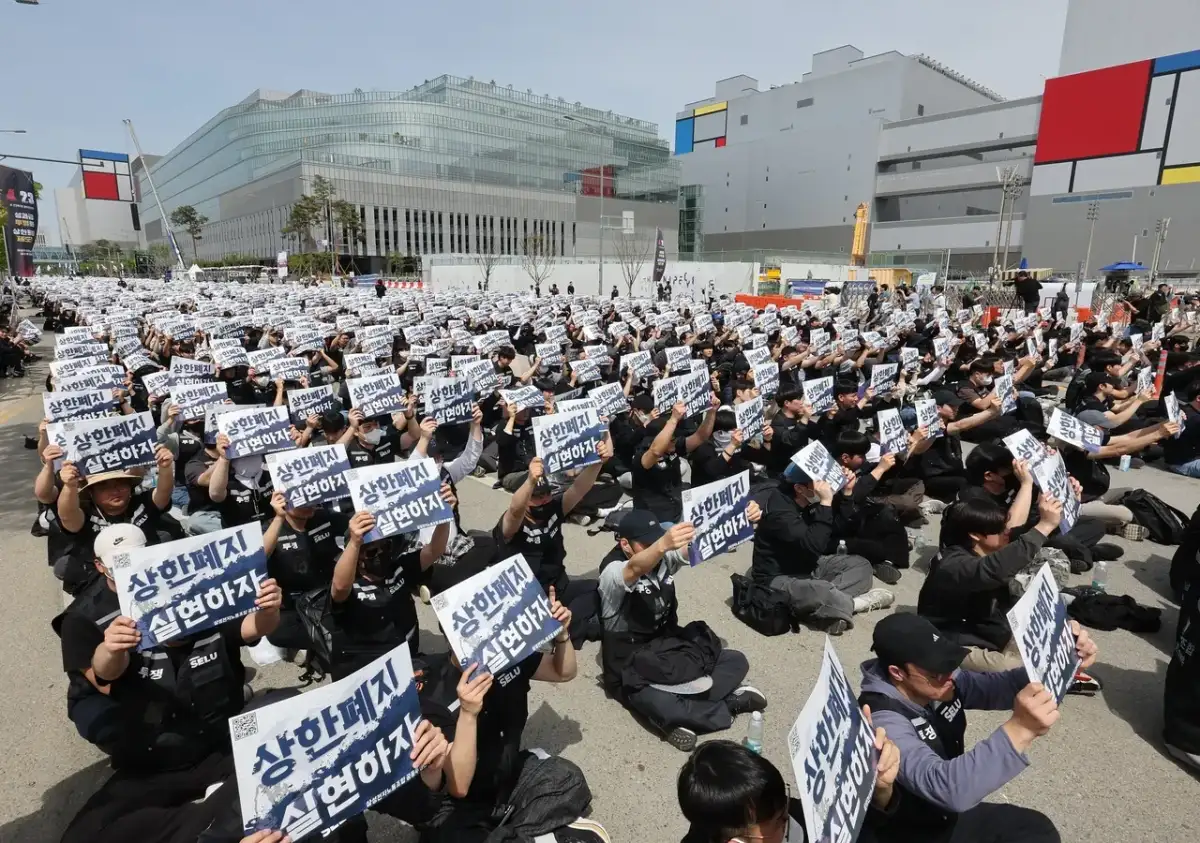
The core of the dispute centers on the perceived inequity between the company's astronomical financial gains and the workers' compensation packages. The union points to recent concessions made by rival SK Hynix, including the elimination of bonus pay caps, as evidence that Samsung's compensation structure is lagging. This has reportedly led to a number of Samsung employees seeking opportunities with competitors. The union’s push for greater profit sharing and bonus flexibility is framed as a direct response to the company's robust financial performance, with industry forecasts suggesting operating profits could reach around 300 trillion won this year.
Read More: SAG-AFTRA Members Approve New Contract With Studios
Union Demands and Actions
The union's demands are multifaceted:
Removal of caps on the Overachievement Performance Incentive (OPI).
Allocation of 15% of annual operating profit to a performance bonus pool.
A rejection of management's proposals for bonuses in the form of restricted stock.
These demands come after Samsung posted a first-quarter operating profit of 57.2 trillion won, an eightfold increase year-on-year, the largest quarterly result in Korean corporate history. The union has threatened a lengthy strike, which some estimates suggest could cost Samsung up to 1 trillion won per day in operating profit. Union Chair Choi Seung-ho has stated the demands are not unreasonable, citing the departure of engineers to competitors or overseas for better pay.

Management and Shareholder Response
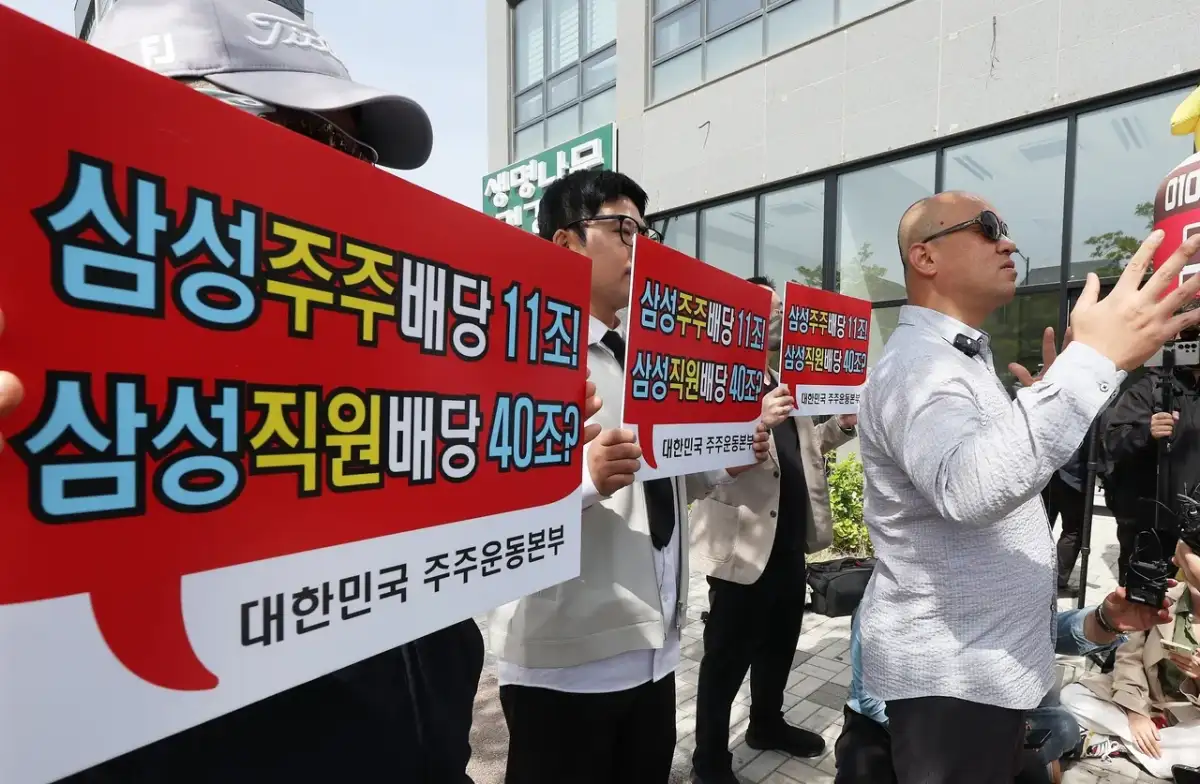
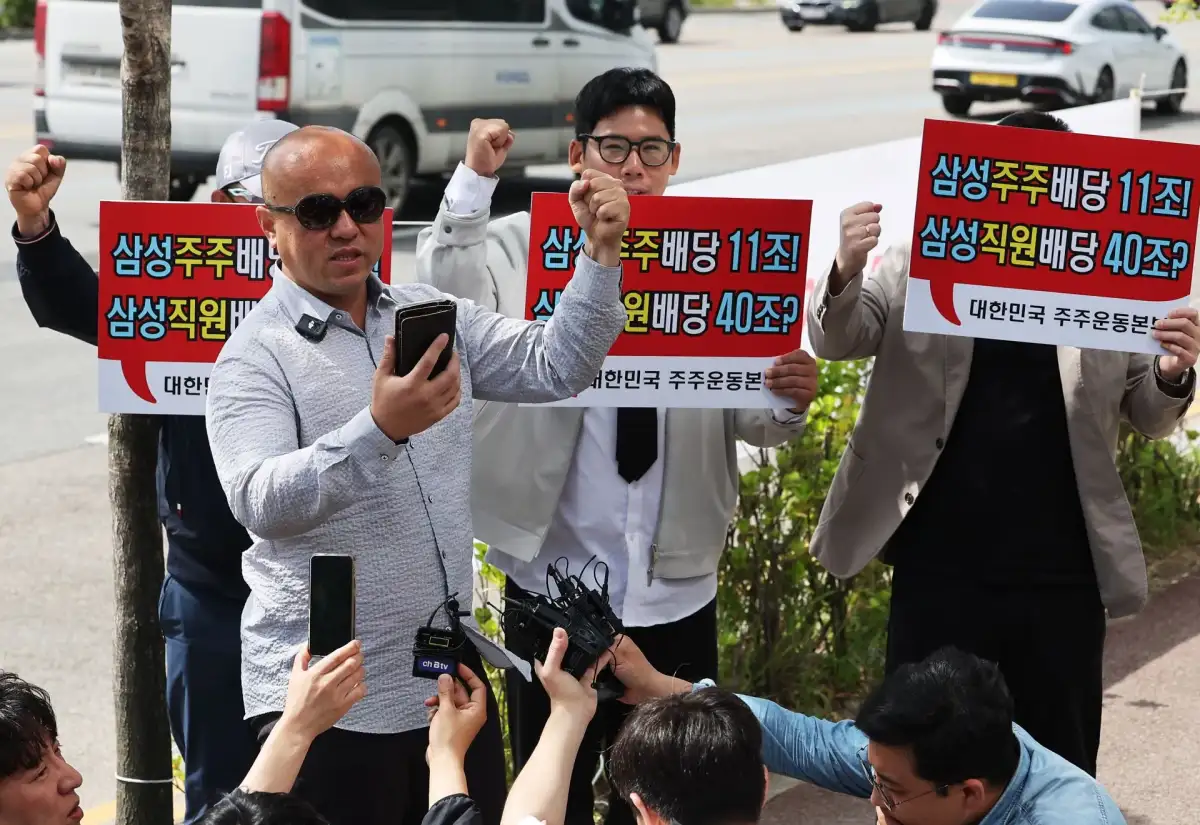
Samsung management has reportedly proposed bonuses in the form of restricted stock, which the union has rejected. The company has also sought a court injunction to prevent the occupation of production lines. Meanwhile, a segment of Samsung Electronics shareholders have organized a counterrally, directly across from the union's gathering, emphasizing their role in the company's success and cautioning against actions that could cripple operations. They frame the union's demands as "outrageous" and argue that "Samsung has achieved global stature not only because of its employees but also thanks to shareholders' constant support and backing."
Read More: FIFA World Cup 2026 Revenue Reaches $15 Billion With New Ticket Prices
Industry Context and Potential Impact
The AI boom has undeniably boosted profits for semiconductor manufacturers like Samsung. However, the growing labor friction presents a paradox, potentially hampering the very industry that is benefiting from this technological surge. While SK Hynix’s chief financial officer indicated they are monitoring the situation, they do not anticipate a significant impact on their own production. The situation highlights a broader tension between soaring corporate profits in high-tech sectors and the compensation structures offered to the workforce driving that innovation. There are also internal divisions reported, with some workers in Samsung's DX Division expressing dissatisfaction with the union's aggressive stance.