:max_bytes(150000):strip_icc():focal(1032x360:1034x362)/mount-everest-trek-tourists-040126-d30920bb2d7c4034a6cff0895dcd1f21.jpg)
Guides Accused of Deliberately Making Climbers Sick for Financial Gain
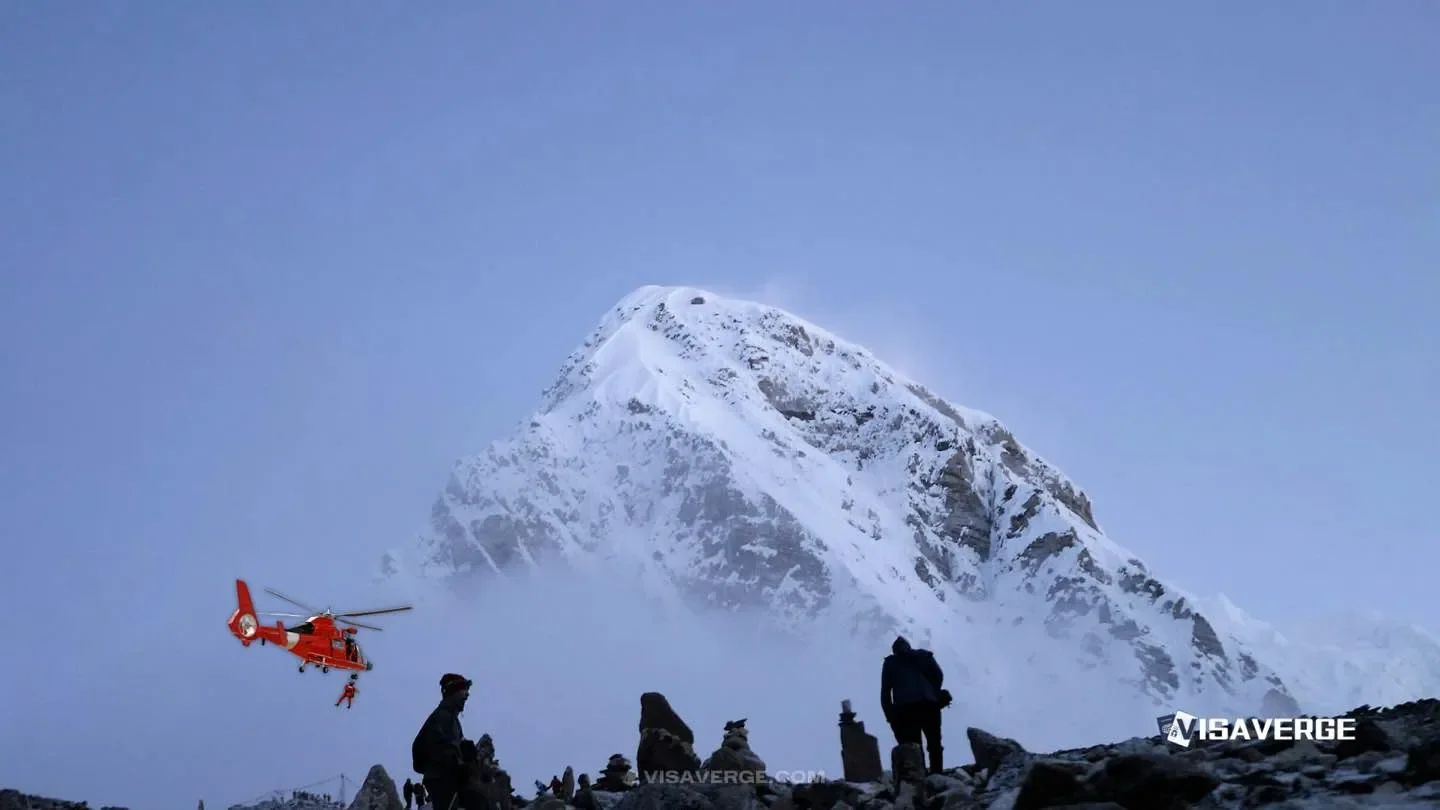
Authorities in Nepal have brought charges against 32 individuals, alleging a complex scheme to defraud insurance companies by making foreign climbers sick and orchestrating unnecessary helicopter rescues. The implicated guides are said to have administered substances like baking soda into trekkers' food and drinks.
The purported goal was to induce symptoms mimicking altitude sickness, such as vomiting, nausea, and weakness.== This allowed guides to push for costly emergency helicopter evacuations, which were then billed to international insurers. The alleged scam is reported to have operated between 2022 and 2025, impacting approximately 4,782 international climbers. Police estimate the total value of the fraudulent claims to be around $20 million USD.
Network of Complicity
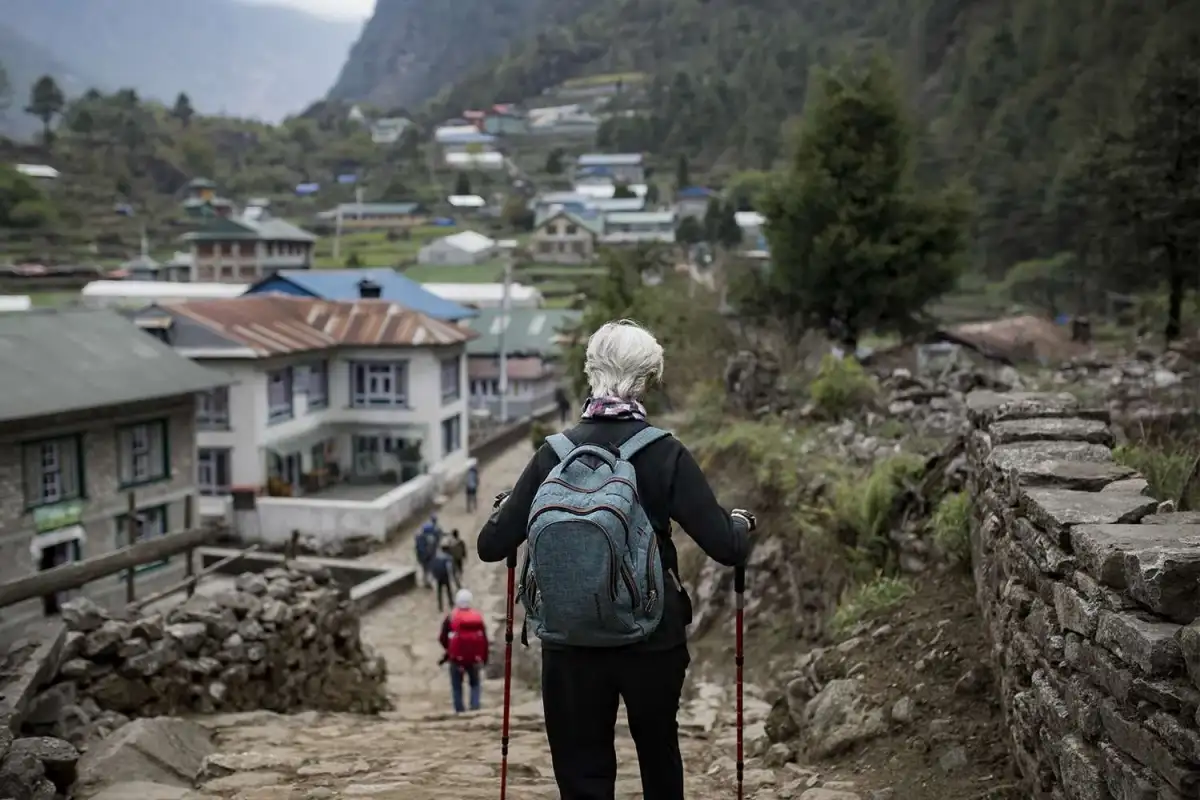
The investigation has uncovered a broader network beyond just the guides. Authorities are also scrutinizing six hospitals and three helicopter companies, alongside trekking agencies and pilots, for their alleged involvement. This suggests a coordinated effort where forged medical records, flight manifests, and hospital invoices were used to solidify the fraudulent claims. The ill-gotten gains, according to investigators, were then distributed among the various participants.
A Pattern of Concern
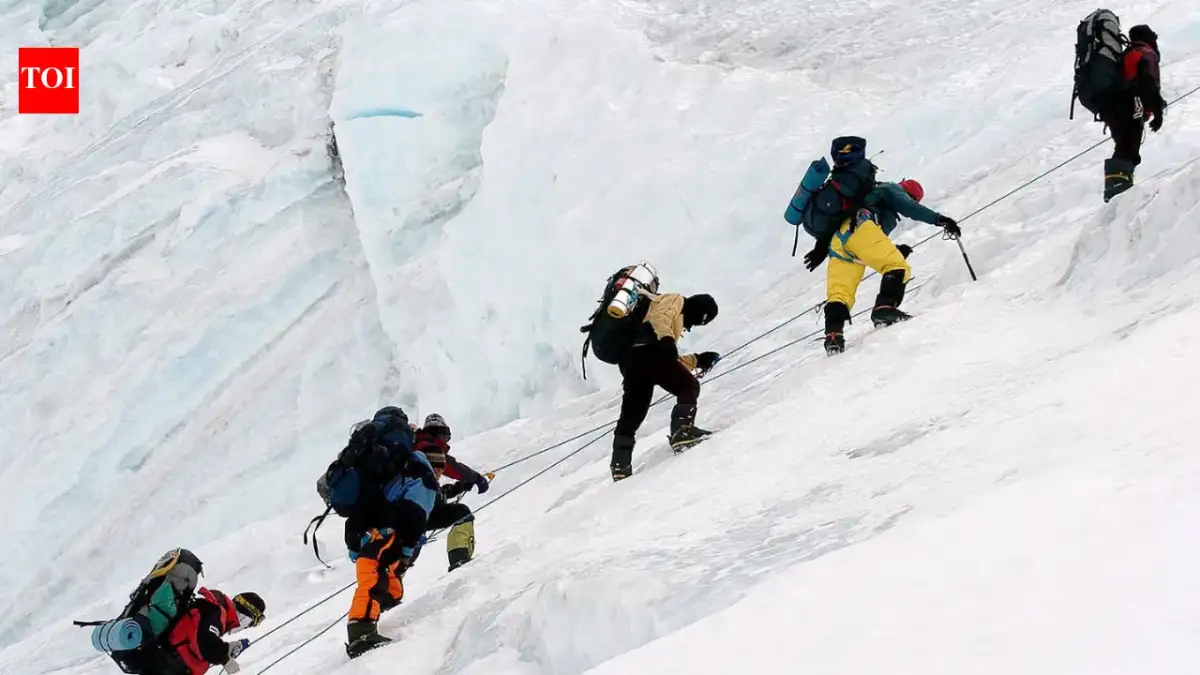
This is not the first time Nepal's high-altitude tourism sector has faced scrutiny for such practices. Reports indicate a history of fake or unnecessary helicopter rescues, particularly during peak climbing seasons. This latest operation, however, appears to be on a larger, more organized scale. The reliance on local decision-making in remote areas, coupled with the delay in insurers assessing claims, may have created an environment where such fraud could proliferate. Some international insurers have reportedly halted coverage for trekking tourists in Nepal due to escalating fraud incidents.
Read More: Coral Springs Vice Mayor Found Dead at Home; Husband Arrested for Murder on April 1st
The Tactics
Investigators detail how trekking staff would secretly add baking soda to food or drinks at teahouses and base camps. The intention was to create gastrointestinal distress, which could then be passed off as a genuine medical emergency. Once a climber exhibited symptoms, they were allegedly pressured into accepting expensive helicopter evacuations, presented as life-saving necessities. The system allegedly operated on kickbacks, with hospitals paying commissions to trekking agencies and helicopter companies, while guides received a percentage of the insurance payouts.
Broader Context
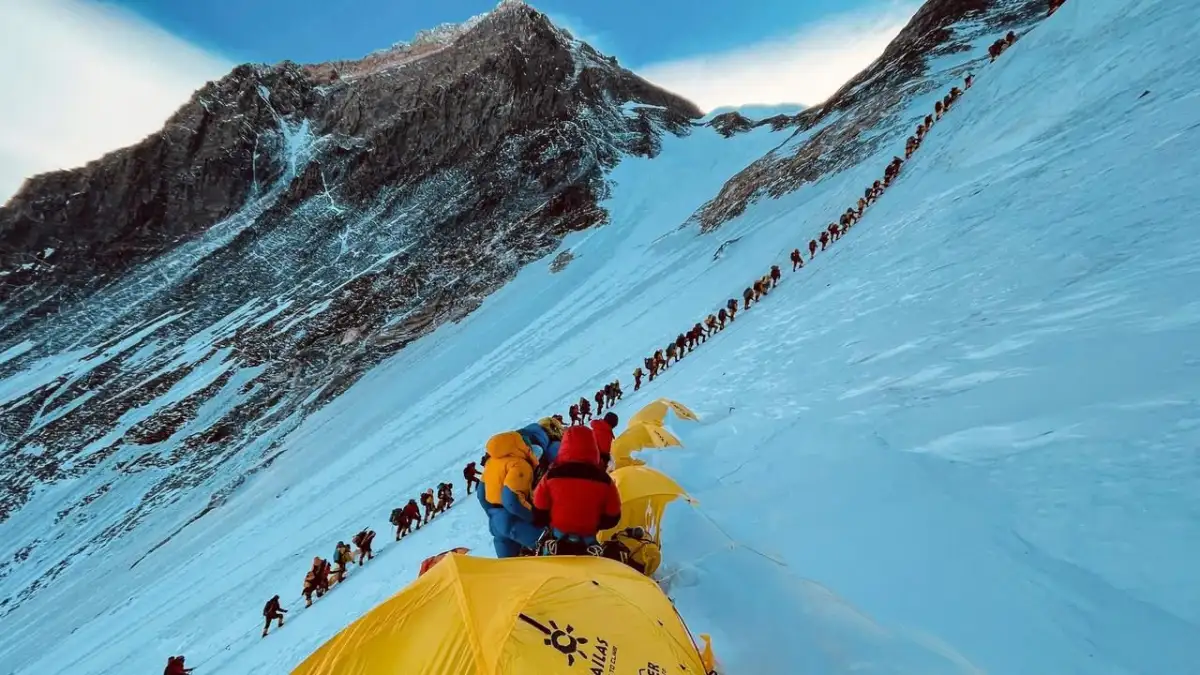
The case highlights ongoing issues within high-altitude tourism, including concerns about overcrowding on routes, the increasing commercialization of expeditions, and limited regulatory oversight in remote regions. The precarious environment of places like Mount Everest, with its inherent risks and dependence on external support, may unfortunately lend itself to such exploitation.
Read More: United Airlines App Adds TSA Wait Times and Luggage Tracking for Travelers