Recent studies are prompting a reconsideration of what happens when the body ceases to function, with researchers examining near-death experiences (NDEs) as potential indicators of consciousness persisting after biological death. Survivors of these profound events frequently report vivid, consistent experiences, leading some to suggest that consciousness is not solely tied to brain activity. This developing area of inquiry, fueled by anecdotal accounts and emerging scientific investigation, probes the fundamental nature of life, death, and the continuity of the human mind.

NDEs are complex events that occur when a person is close to death or has experienced a life-threatening event. These experiences, often shared across diverse individuals and cultures, share common themes.
Common Features: Survivors frequently report a profound sense of peace, a feeling of detachment from their physical body, and moving towards a bright light. They may encounter deceased relatives or spiritual figures.
Medical Context: These experiences are increasingly being studied using advanced medical tools and rigorous research methodologies, moving beyond anecdotal accounts to scientific analysis.
Biological and Neurological Perspectives
The scientific community is exploring the biological underpinnings of NDEs, seeking to explain these phenomena through physiological processes occurring in the brain during critical events.
Read More: New Weight Loss Drugs Linked to Pancreatic Cancer Risk?

Brain Activity During Stress: Research into dying patients and those experiencing cardiac arrest has revealed patterns of brain activity. While the exact nature and extent of this activity are debated, it suggests that the brain may not immediately cease all function when the heart stops.
Neurotransmitter Roles: Specific brain receptors, such as the 5-HT2A receptor, have been implicated in the subjective experiences associated with NDEs. Understanding the function of these receptors may offer a biological explanation for the altered states of consciousness reported.
Oxygen Deprivation: Theories suggest that a lack of oxygen and blood flow to the brain during a critical event could trigger altered perceptions and sensory experiences, contributing to NDE phenomena.
The Subjective Reality of Survivors
Individuals who have undergone NDEs often describe a transformative impact on their worldview, particularly concerning life, death, and the nature of consciousness.

Reports of Peace and Serenity: A consistent element in survivor accounts is an overwhelming feeling of peace and absence of fear, even in situations where death seemed imminent. One individual reported, "I knew I was dead but I felt nothing but peace."
Altered Perceptions of Reality: Survivors describe experiences such as out-of-body sensations, moving through tunnels towards a light, and a feeling of dualistic separation between mind and body. These subjective experiences are often described as being more real than everyday life.
Worldview Transformation: The NDE often leads to a profound shift in survivors' understanding of life and death, often fostering a greater appreciation for life and a diminished fear of mortality. This spiritual transformation is a frequently documented outcome.
Evidence and Interpretation of Consciousness
The collection of evidence, from survivor testimonies to brain activity studies, is leading to varied interpretations regarding the existence and nature of consciousness.
Continuity of Consciousness: Some researchers and survivors propose that NDEs provide evidence for a form of consciousness that can persist beyond the cessation of physical brain activity. The idea is that consciousness might not be entirely dependent on the biological machinery of the brain.
The "Other Side": Reports of encountering deceased loved ones or experiencing a reality beyond the physical world lead some to believe in an afterlife or a spiritual dimension accessible during these critical events.
Challenging Conventional Views: Experts are beginning to challenge the view that consciousness is solely an emergent property of brain function, suggesting that it may be more fundamental or capable of existing independently, even if temporarily.
Expert Analysis and Emerging Theories
The ongoing investigation into NDEs involves a multidisciplinary approach, with experts from neuroscience, psychology, and philosophy contributing to the discussion.
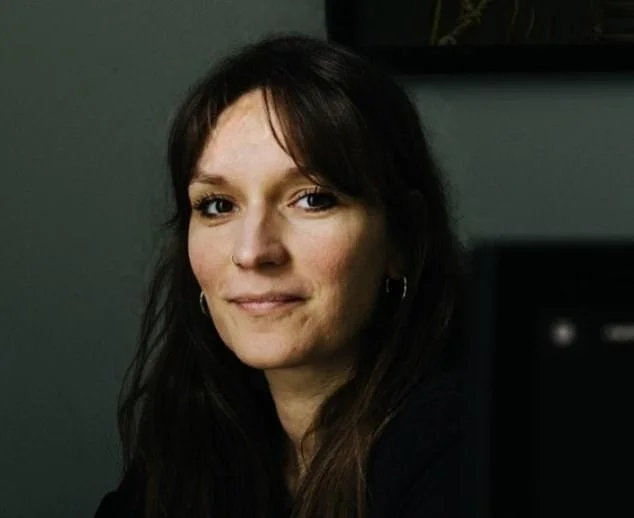
"Based on these NDE experiences, I suggest that there will be a continuity of consciousness after death." - Charlotte Martial (as cited in Article 1)
This statement from Martial highlights the growing suggestion that consciousness might not end with the body.
"Consciousness may not vanish the moment the brain falls silent. But experts are beginning to challenge this view – arguing that consciousness can persist even when the brain stops working." (as cited in Article 4)
This observation indicates a shift in expert opinion, where traditional beliefs about consciousness being entirely dependent on a functioning brain are being questioned.
Conclusion: Re-evaluating the End of Life
The persistent and detailed accounts of near-death experiences, coupled with ongoing scientific inquiry into brain function during extreme physiological stress, are contributing to a broader re-evaluation of the dying process. While definitive proof remains elusive, the collected evidence compels further investigation into the nature of consciousness and its potential to transcend biological limitations.
Read More: Why is the Moon's far side colder and different from the near side?
Key Findings: Survivors consistently report peaceful, profound experiences that often alter their life perspectives. Biological explanations are being explored, focusing on brain receptor activity and oxygen deprivation.
Implications: The research suggests that the traditional understanding of death as a complete cessation of consciousness may need to be revisited.
Next Steps: Continued high-tech medical studies, alongside rigorous analysis of survivor accounts, are crucial to understanding the full scope of NDEs and their implications for our understanding of consciousness.
Sources Used:
Daily Mail: Provides survivor accounts and highlights a review suggesting the role of specific brain receptors. (https://www.dailymail.co.uk/health/article-15564007/dead-peace-survivors-near-death-experiences-study-proof-soul.html)
PubMed Central (PMC): Features a study on NDEs and the resulting spiritual transformation in survivors of sudden cardiac arrest. (https://pmc.ncbi.nlm.nih.gov/articles/PMC10336875/)
Scientific American: Explores what NDEs reveal about the brain, discussing common phenomena and the mind-body duality. (https://www.scientificamerican.com/article/what-near-death-experiences-reveal-about-the-brain/)
Daily Mail: Reports on a study suggesting consciousness may exist beyond death, challenging the idea of the dying process as a final endpoint. (https://www.dailymail.co.uk/sciencetech/article-15559313/Consciousness-exists-death-study-dying.html)