
Growing Concern Over Cognitive Decline
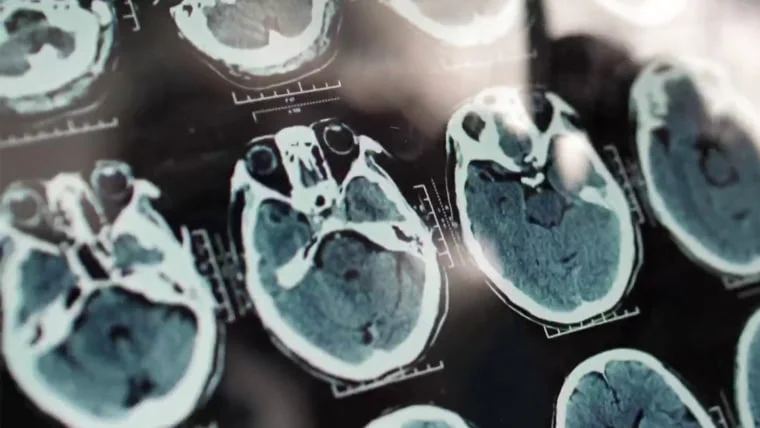
New findings suggest a substantial portion of older Americans face an increased risk of dementia. This situation carries significant implications for public health, healthcare systems, and the well-being of a growing elderly population. The data indicates that factors previously considered less impactful may play a more profound role than understood, prompting a re-evaluation of dementia risk assessment and prevention strategies.
Context of Emerging Data
Recent research indicates that the risk of developing dementia in the United States is higher than previously estimated, particularly for individuals over the age of 55. Projections suggest a notable increase in dementia cases over the coming decades. Several studies published around January and February 2025 have contributed to this understanding, analyzing large datasets and diverse populations.

Key timelines: Research findings emerged in early 2025, building on ongoing studies and analyses.
Key actors: Academic institutions, medical journals (such as Nature Medicine), government health organizations (like the NIH), and news outlets have reported on these findings.
Key events: Publication of multiple studies revising dementia risk estimates and identifying contributing factors.
Evidence of Increased Risk
The evidence presented suggests a significant upward revision in the estimated lifetime risk of dementia for older Americans.
Read More: Music Therapy May Help Premature Babies Leave Hospital Up To 15 Days Sooner

Prevalence estimates: Up to 4 in 10 individuals may develop dementia after age 55, with some reports indicating this figure approaches nearly 1 in 2 Americans over 55.
Projected increase: Dementia cases are projected to double by 2060.
Age-related decline: Dementia risk increases sharply with age.
Gender and ethnicity: Older women and Black individuals appear to face a higher risk. This disparity is partly attributed to women living longer. Black Americans, in particular, are reported to have a triple the dementia risk compared to White individuals.
Comorbidities: The presence of conditions like high blood pressure, Type 2 diabetes, and stroke are strongly linked to increased dementia risk. These conditions can impair blood flow to the brain, contributing to vascular dementia and potentially influencing Alzheimer's disease hallmarks.
Age-Related Hearing Loss and Cognitive Decline
A notable finding connects age-related hearing loss (presbycusis) to a higher risk of dementia.

Prevalence: Presbycusis affects a substantial number of older Americans, potentially up to half of those aged 60 to 75.
Associated decline: Lower scores on hearing tests were associated with poorer performance on cognitive tests.
Neurological overlap: Researchers observe that age-related hearing loss and cognitive decline share similar patterns of atrophy in brain areas responsible for hearing, speech recognition, and memory. This suggests a shared underlying biological mechanism.
Factors Influencing Cognitive Reserve and Risk
The studies also point to broader societal and biological factors that contribute to dementia risk.
Socioeconomic disparities: Limited access to education, nutrition, and healthcare can lead to differences in cognitive reserve and a higher burden of vascular risk factors earlier in life.
Genetic predisposition: Certain genes, such as apolipoprotein E (APOE), which is involved in cholesterol transport, are associated with higher dementia risk.
Lifestyle factors: Hypertension, diabetes, obesity, and limited physical activity are identified risk factors.
Broader Perspectives on Dementia Risk
The research emphasizes the need to move beyond single disease classifications and consider a more comprehensive view of dementia.
Beyond Alzheimer's: Much existing data focuses solely on Alzheimer's disease, potentially underestimating the overall dementia burden. Vascular dementia, linked to heart disease and strokes, is another significant type.
Living longer with conditions: Increased life expectancy means individuals are living longer with multiple health issues (comorbidities), which in turn elevates dementia risk.
Data diversity: Newer studies are utilizing more diverse datasets, including significant representation from Black populations, leading to more accurate prevalence estimates.
Expert Analysis and Implications
Experts highlight the urgent need for public health strategies to address the rising dementia burden.
"The findings highlight the need for strategies to prevent dementia and provide more help for those with dementia. Interventions targeted toward high-risk individuals could help reduce the societal burdens of dementia." (National Institutes of Health)
The identification of specific risk factors like hearing loss and comorbidities underscores the potential for early intervention. Addressing hearing loss, for instance, is presented as a potential avenue to slow cognitive decline. The complex interplay of genetic, lifestyle, and socioeconomic factors necessitates a multi-faceted approach to dementia prevention and care.
Conclusion and Future Directions
The current body of research indicates a significant and likely underestimated risk of dementia among older Americans. The findings suggest that nearly half of individuals over 55 may face this challenge, with higher risks observed in specific demographic groups and in the presence of certain health conditions.
Read More: Super Mario Galaxy Movie earns $34 million on opening day in US cinemas
Key findings: Dementia risk is higher than previously thought, influenced by age, gender, ethnicity, hearing loss, and various comorbidities.
Implications: Public health planning must adapt to these revised estimates. Targeted interventions focusing on modifiable risk factors—such as managing cardiovascular health and addressing hearing impairment—are crucial.
Next steps: Continued research is needed to further elucidate the causal links between identified risk factors and dementia. Development and implementation of effective prevention strategies and improved support systems for those affected by dementia are paramount. The study's methodology, which included diverse populations and comprehensive diagnostic measures, sets a new standard for future research in this critical area.
Sources
Common condition affecting up to HALF of older Americans raises dementia risk, study finds: Published on dailymail.co.uk approximately 21 hours prior to the general report compilation. This article discusses presbycusis (age-related hearing loss) and its association with cognitive decline and dementia risk.
Dementia risk may be twice as high as Americans live longer, study finds: Published on nbcnews.com on January 13, 2025. This report focuses on updated dementia risk estimates, noting the influence of comorbidities and the need for broader research beyond Alzheimer's.
Risk and future burden of dementia in the United States: Published on nih.gov on February 18, 2025. This resource from the National Institutes of Health lists various research areas related to dementia, including hearing aids slowing cognitive decline and risk factors like atherosclerosis.
Link: https://www.nih.gov/news-events/nih-research-matters/risk-future-burden-dementia-united-states
Up to 4 in 10 people could develop dementia after 55. What you can do to lower your risk: Reported by AOL (via AP News) with article date implied around early 2025. This article highlights a significant lifetime risk of dementia after age 55 and discusses risk factors like high blood pressure.
Link: https://apnews.com/article/dementia-alzheimers-aging-brain-health-82b74dd1834b6387284164da655eaad8
Dementia risk is rising in an aging US population. Cases are projected to double by 2060 | CNN: Published on cnn.com on January 13, 2025. This report details increased dementia risk estimates, discusses demographic factors including higher risk for women and Black individuals, and mentions genetic links like APOE.
Link: https://www.cnn.com/2025/01/13/health/dementia-risk-cases-double-aging-us-population
Almost Half of Americans Over 55 Face Dementia Risk - Neuroscience News: Published on neurosciencenews.com on January 13, 2025. This article provides lifetime risk figures (nearly 1 in 2 over 55), highlights health disparities for Black individuals, and lists common risk factors including hearing loss and hypertension.
Link: https://neurosciencenews.com/dementia-aging-projections-28354/
Dementia risk in the U.S. after age 55 higher than previously thought, study finds: Published on pbs.org on March 1, 2025. This report revises dementia risk estimates upwards and discusses the connection between vascular risk factors and dementia, particularly for Black Americans.
Dementia Risk Is Double Earlier Estimates, Even Higher for Black Americans: Published on aarp.org on January 13, 2025. This article emphasizes that dementia risk is considerably higher than previous estimates, discusses sex differences emerging later in life, and highlights the elevated risk for women and Black individuals.
Link: https://www.aarp.org/health/brain-health/dementia-rates-doubling/
:max_bytes(150000):strip_icc():focal(749x0:751x2)/nicu-baby-2-040326-a8cfa36052e149f38894fb7fe09331a6.jpg)
:max_bytes(150000):strip_icc():focal(577x542:579x544)/marquay-the-goat-2-112725-6e365e6585624feb829b4a1e87fda4a2.jpg)