


Berger, Page Neck-and-Neck in Rockingham-Guilford Race
In a primary election that has stirred significant political currents in North Carolina, a tight contest for Senate District 26 has left outcomes hanging by a thread. The race between Senate President Pro Tempore Phil Berger and Rockingham County Sheriff Sam Page has seen contenders separated by a mere two votes, drawing the attention of both state and national observers due to its potential future political ramifications. While Berger boasted the endorsement of President Trump, reports indicate that Page, who reportedly spent little, received support from 'Democrats and their affiliated special interest groups'. These groups, described as disliking Berger and Donald Trump, are alleged to have encouraged party members to cross over and vote for Page in the Republican primary, a tactic aimed at unseating Berger.
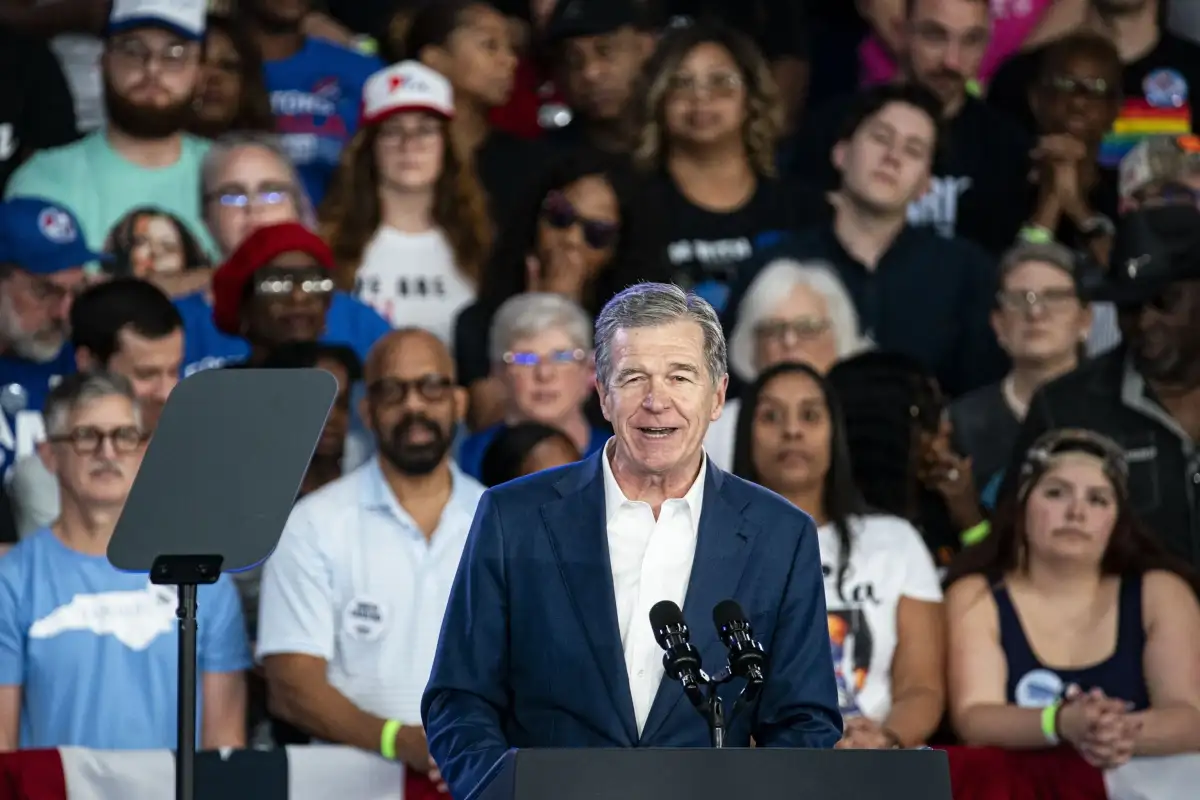
Page, a figure with significant local recognition in the Rockingham-Guilford area, has been portrayed as a formidable opponent to Berger, a veteran incumbent. The district itself, encompassing all of Rockingham County and parts of Guilford County, has been a focal point for debate, particularly concerning a development project that Berger championed for its economic benefits, but which met staunch opposition from residents like Page. Page has since declared victory at his election night party, though the closeness of the vote suggests a potential for protracted legal challenges.
Read More: Taiwan Holds Nantou County Drills to Prepare for State Collapse
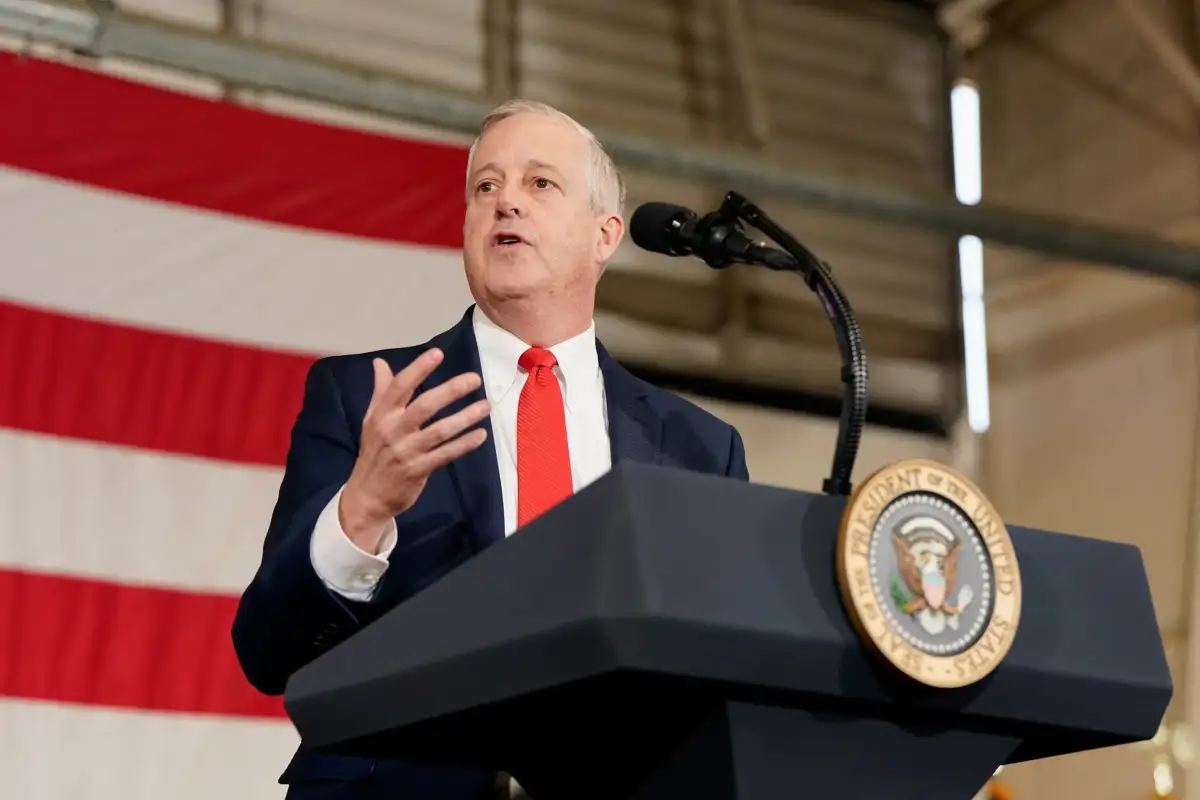
Cooper and Whatley Set for General Election Showdown
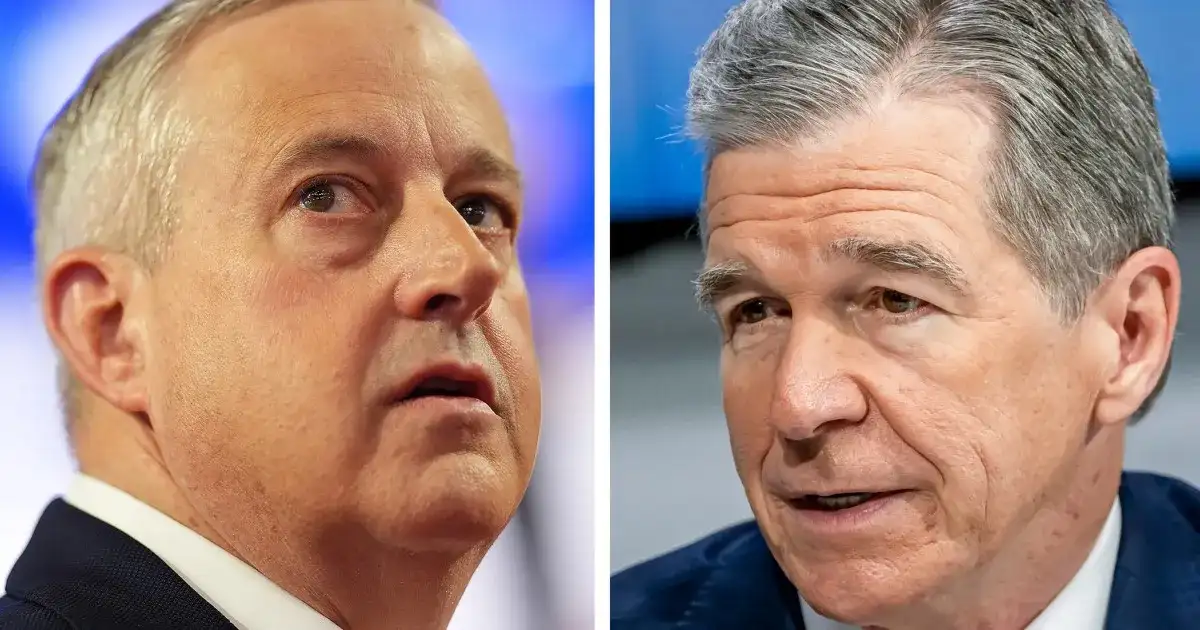
Meanwhile, in the race for an open U.S. Senate seat, former Democratic Governor Roy Cooper and former Republican National Committee Chair Michael Whatley have emerged victorious from their respective primaries, setting the stage for a significant general election battle. Cooper decisively won his primary among a field of less prominent Democrats, while Whatley secured his victory with strong backing from President Trump, whom Whatley thanked directly in his victory speech.
Read More: North Carolina strawberry crop rot caused by Neo-P fungus in 2026

Whatley has framed the upcoming contest as a clear choice between his "conservative champion" platform, aligned with Trump, and the "failed policies of the left" espoused by Cooper. His campaign has leveraged Trump's endorsement heavily, featuring the former President in advertisements to emphasize his support and to highlight that Whatley "represents your values." This strategic alignment aims to mobilize the Republican base and present Cooper, who served as governor during Hurricane Helene, as a representative of policies that are out of step with a significant portion of the state's electorate.
Broader Primary Dynamics and Political Undercurrents
The North Carolina primaries have unfolded against a backdrop of broader political maneuvers. Democrats reportedly harbor hopes of flipping the seat currently held by retiring GOP Senator Thom Tillis. Whatley, in his bid for the Senate, appears to have navigated his primary largely without the kind of contentious internal party battles that sometimes emerge, partly due to his close ties with the Trump orbit.
Read More: FBI Analysts Review Georgia 2020 Election Data in Fulton County
Reports suggest that Lara Trump, Donald Trump's daughter-in-law and a North Carolina native, was a popular consideration for the nomination, but ultimately opted against running. This decision potentially cleared a path for Whatley, who now faces the challenge of rallying support in a general election that is being characterized as a crucial indicator of the state's political trajectory. The contest between Cooper and Whatley is thus anticipated to be a rigorous test of North Carolina's shifting political landscape.





:max_bytes(150000):strip_icc():focal(999x0:1001x2)/kyle-busch-1a5340ca5f7d4a45806b78b9bb6669b8.jpg)
