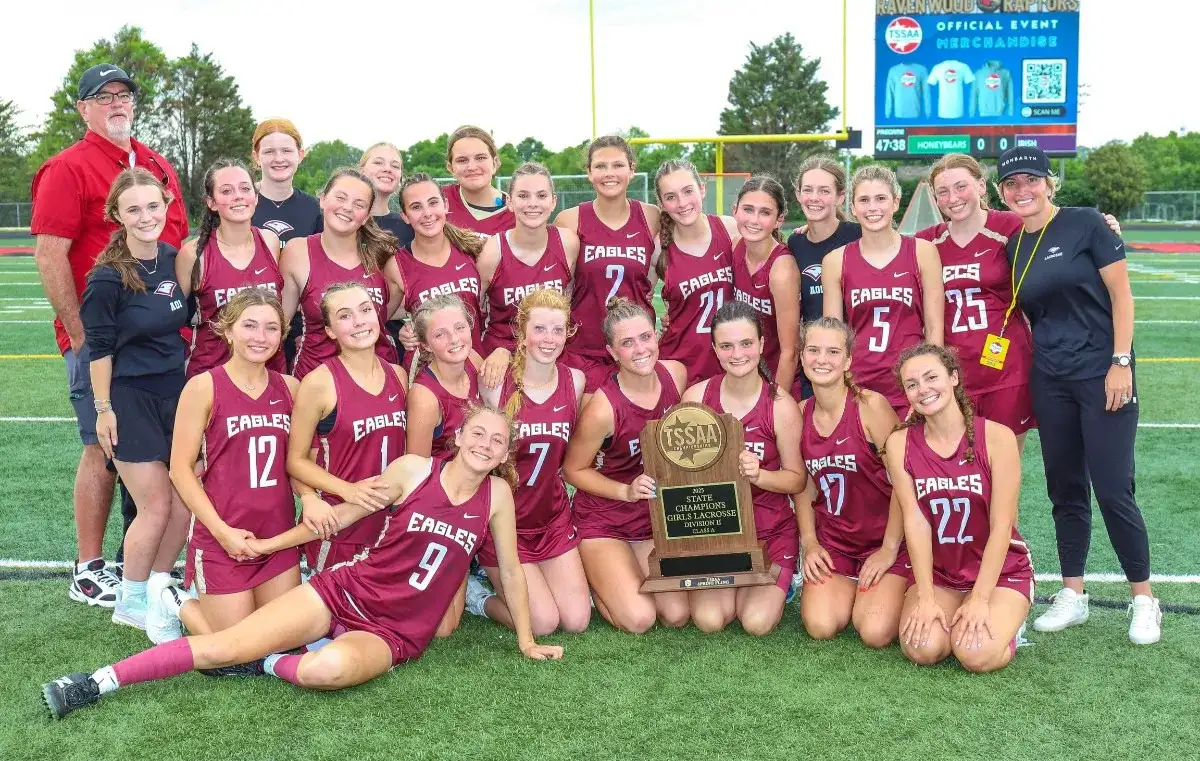
Evangelical Christian School (ECS) secured its second consecutive TSSAA Division II-A girls lacrosse state championship yesterday, defeating the University School of Nashville (USN) in a 12-11 sudden-death overtime match. Sophomore Emily Hill clinched the victory with a goal just 44 seconds into the overtime period, following an opening possession by the Eagles.
The program has now won the inaugural two DII-A state titles in TSSAA history, establishing a streak of dominance against USN.
Match Context and Evolution
| Metric | 2025 Final | 2026 Final |
|---|---|---|
| Result | ECS 21, USN 8 | ECS 12, USN 11 (OT) |
| Key Scorer | Casey Vargo (8 goals) | Emily Hill (OT winner) |
| Status | First Title | Second Consecutive Title |
The competitive arc of the final shifted significantly between the two years. While the 2025 championship was a lopsided victory driven by freshman Casey Vargo, the 2026 rematch required a resilient rally against the same opponent. Athletes cited the weight of expectation and the difficulty of facing a familiar rival in high-stakes circumstances as central factors in the match’s intensity.
Read More: FIFA World Cup 2026 Revenue Reaches $15 Billion With New Ticket Prices
"We felt a lot of pressure because this was the same team, same time last year we had to beat," players noted regarding the recurring matchup against USN.
Organizational Background
The trajectory of the ECS program reflects a deliberate shift in team culture under current coaching staff.
Cultural Pivot: After a 6-7 record in earlier iterations, the team transitioned to a 15-3 standard within one year under the guidance of Coach Pickle.
Methodology: The leadership emphasized "consistency, competitiveness, and confidence" to transform team chemistry.
Structural Stability: By integrating nine freshmen into the roster during the 2025 season, the program built a pipeline of continuity that allowed for the successful defense of their title in 2026.
This development path underscores a broader Youth Athletics trend in the region, where centralized club experience and structured coaching philosophies are increasingly defining the outcomes of high-school-level State Championships.