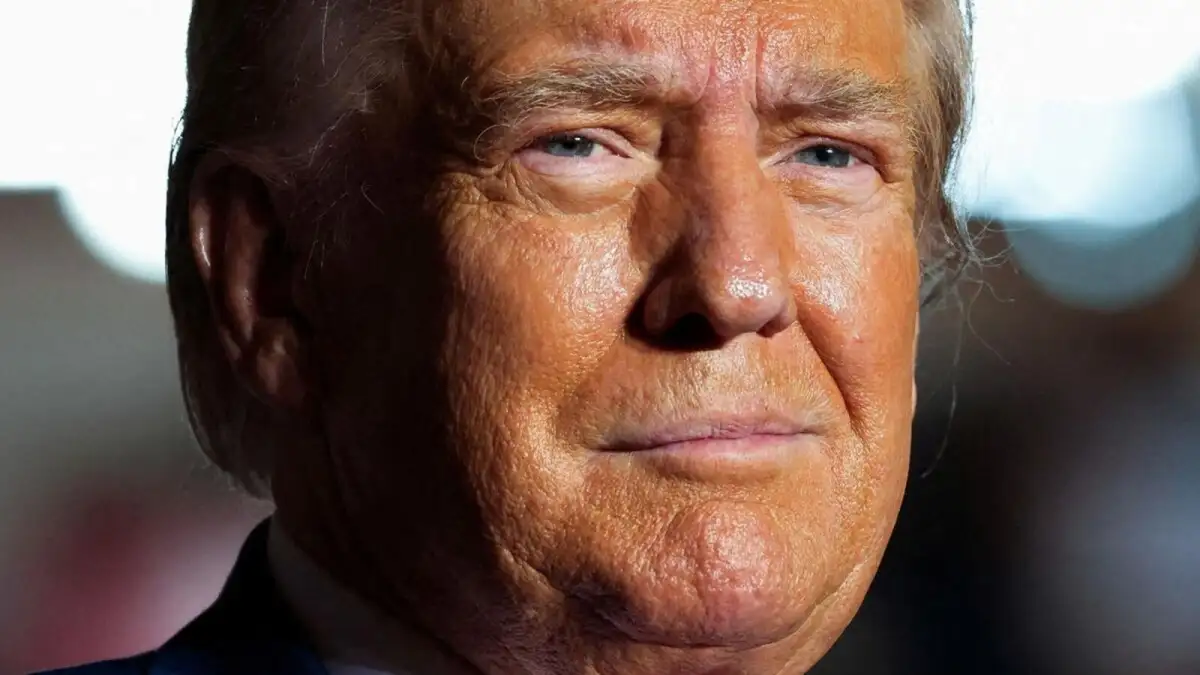
Recent polling data suggests a significant dip in President Trump's approval ratings, a development that could shape the outcomes of the upcoming 2026 midterm elections. While Trump himself will not be on the ballot, historical trends indicate that a president's popularity often forecasts the performance of their party's candidates. This analysis examines the available evidence to understand the current standing of Trump's approval and its potential ramifications.
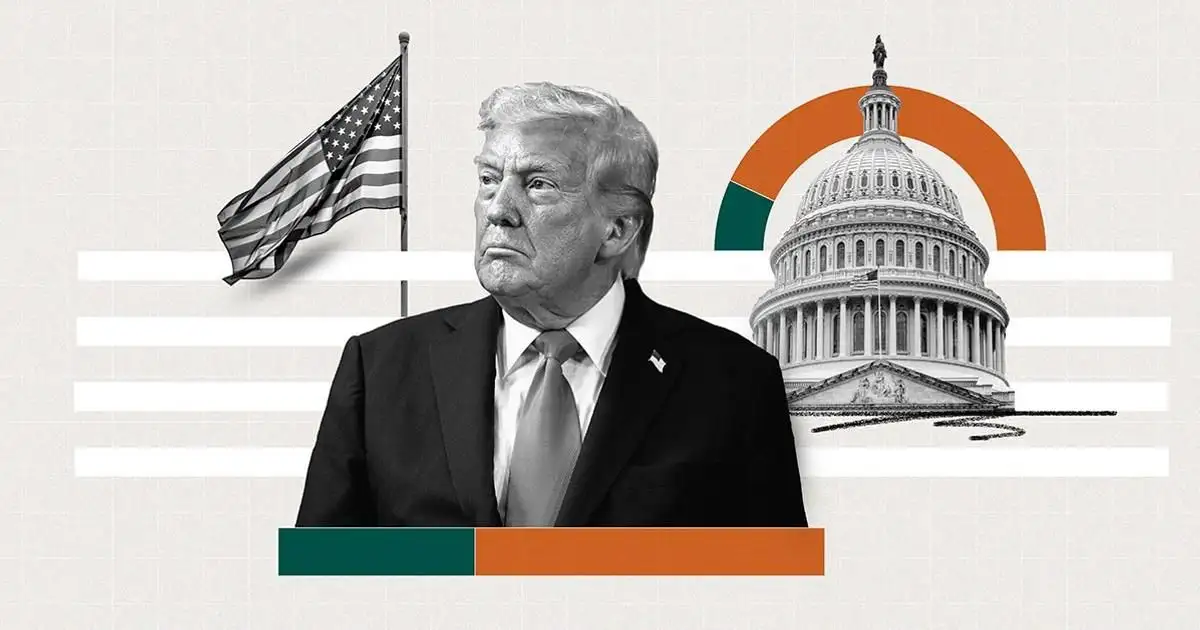
Shifting Public Opinion and Party Fortunes
President Trump's approval ratings have shown a marked decline in recent months, with multiple polls indicating that disapproval now outweighs approval. This trend comes at a critical juncture, as the midterm elections approach and his party seeks to maintain or expand its control in Congress.

A recent Economist/YouGov survey found that only 39 percent of Americans approve of Trump's job performance, with 58 percent disapproving. This resulted in a net approval rating of minus 19 points.
Data from Quinnipiac University placed his approval at 37 percent and disapproval at 55 percent in late August 2025.
Gallup's reporting in late November 2025 indicated his approval rating had reached a new second-term low, approaching levels seen in his first term. Notably, assessments from independents were at their worst in either term.
A Pew Research Center study in late January 2026, and CNN polling in early November 2025, also point to a consistent trend of more Americans disapproving of his job performance than approving, reflecting a softening of voter confidence.
Approval on Key Issues
Beyond overall job performance, public sentiment on Trump's handling of specific issues appears to be a contributing factor to his declining approval.
Read More: Taiwan Holds Nantou County Drills to Prepare for State Collapse

The Economist/YouGov poll revealed net approval ratings of minus 10 points on immigration, minus 17 on abortion, minus 19 on education, minus 22 on jobs and the economy, and minus 22 on climate change and the environment.
These figures suggest widespread public dissatisfaction across a spectrum of policy areas.
Historical Precedent and Campaign Finance
The relationship between presidential approval and midterm election results is a well-documented phenomenon. Past trends suggest a correlation between a president's popularity and their party's electoral success.
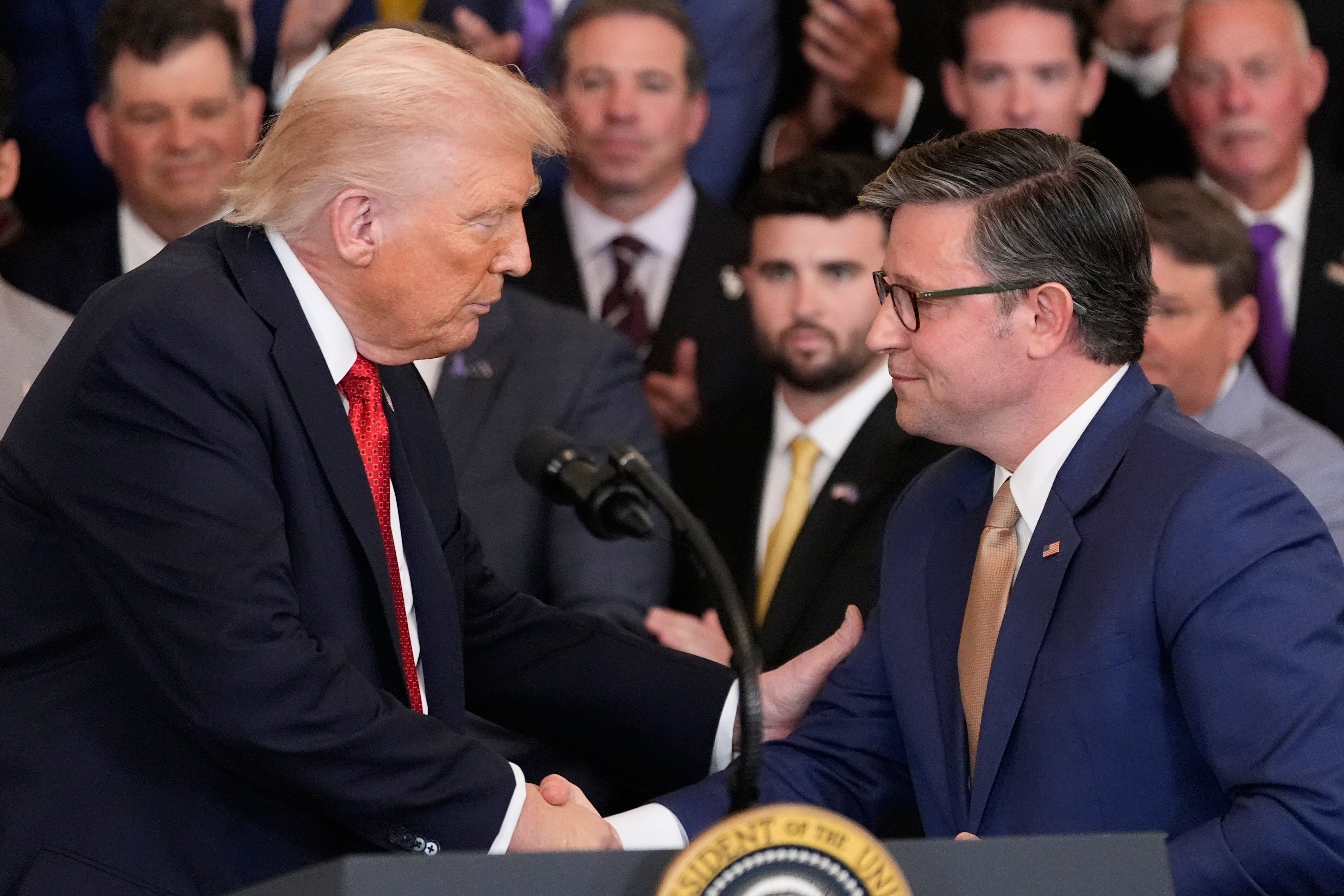
In previous instances, tariffs imposed by Trump were seen by many as having a negative impact, and this sentiment was followed by significant losses for his party in the House of Representatives.
While Trump will not be a candidate himself in 2026, his influence remains a factor. Reports indicate he has been hesitant to spend his own campaign funds on other candidates' races, though he has also acknowledged the personal consequences that could arise for him based on election results.
Data from Article 1 also highlights a significant war chest associated with "MAGA" candidates, amounting to $304 million, indicating substantial financial resources within that political movement.
Enthusiasm Gap and Party Alignment
Evidence suggests that Democratic voters are demonstrating higher levels of enthusiasm for the upcoming midterms, potentially fueled by the president's low approval.
A CNN poll indicated a 12-point advantage for Democrats among voters who identified as extremely or very motivated to vote.
Despite this, Democratic-aligned voters showed less favorable views of their own party compared to Republican-aligned voters' views of the GOP. However, even Democrats with negative views of their party were overwhelmingly supportive of their party's candidates and motivated to vote.
Expert Perspectives and Analytical Frameworks
Analysts continue to examine the nuances of Trump's approval ratings and their predictive power.
Nate Silver's analysis focuses on tracking presidential approval ratings against historical data, providing a framework for comparison with presidents since Truman. This approach allows for an evaluation of Trump's current standing within a broader historical context.
The complexity of voter sentiment is evident, with strong reactions from both ends of the political spectrum, even as overall confidence appears to have softened.
Conclusion and Implications
The available data indicates that President Trump's approval ratings are at a notable low point in his second term, marked by widespread disapproval across various policy areas. Historically, a president's approval has served as a bellwether for their party's midterm performance. The growing enthusiasm among Democratic voters and the overall decline in presidential approval present a potentially challenging environment for Republican candidates in the 2026 midterm elections. The extent to which these factors will ultimately influence election outcomes remains a subject of ongoing observation and analysis.
Read More: Aboriginal Voters Turned Away From SA Polling Stations on Election Day
Sources:
USA Today: How Much Will Trump’s Approval Rating Matter in the Midterms? - https://www.usatoday.com/story/news/politics/2026/02/16/trump-approval-rating-maga-midterms/88648483007/
Nate Silver (Bulletin): How popular is Donald Trump? - https://www.natesilver.net/p/trump-approval-ratings-nate-silver-bulletin
NationofChange: Trump approval slump puts 2026 midterms and GOP strategy in jeopardy - https://www.nationofchange.org/2025/10/30/trump-approval-slump-puts-2026-midterms-and-gop-strategy-in-jeopardy/
Gallup: Trump's Approval Rating Drops to 36%, New Second-Term Low - https://news.gallup.com/poll/699221/trump-approval-rating-drops-new-second-term-low.aspx
CNN Politics: Democrats are more enthusiastic about the midterms as Trump’s approval hits second-term low, CNN poll finds - https://www.cnn.com/2025/11/03/politics/cnn-poll-democrats-trump-midterms
Mandatory: Donald Trump's New Approval Rating Polls Show Major Changes - https://www.mandatory.com/news/1724133-donald-trump-new-approval-rating-polls-midterms-election