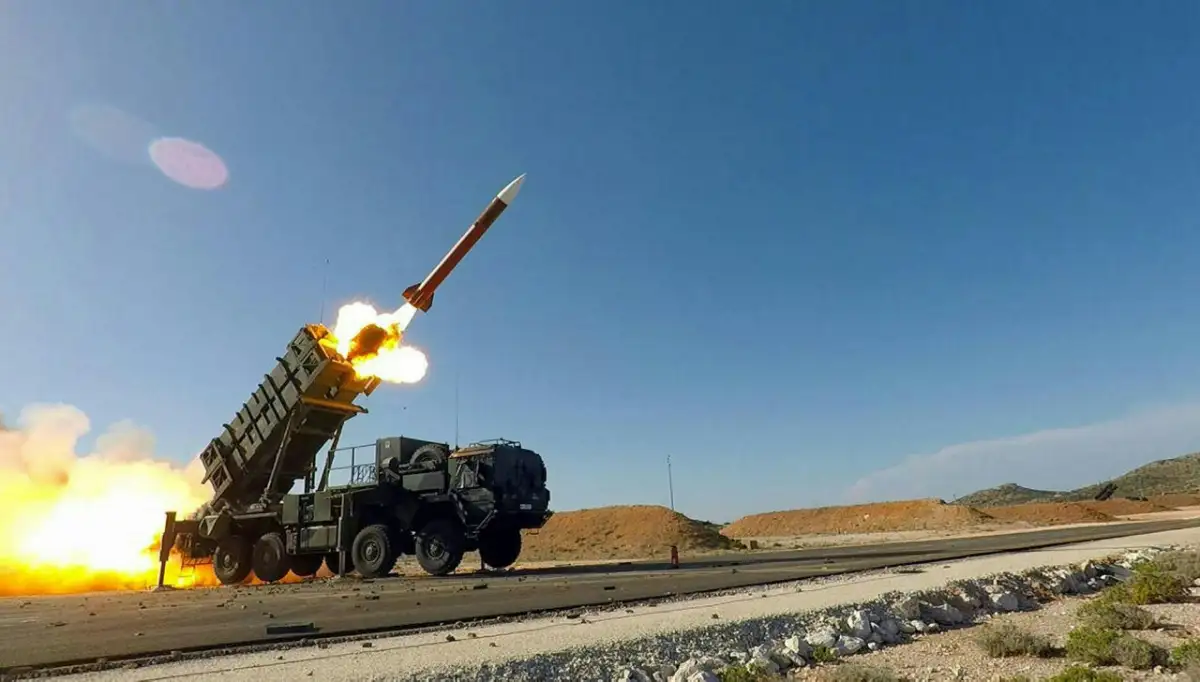
Recent statements from NATO officials, including Estonia's Foreign Minister and the Alliance's Secretary General, indicate a firm stance against any Russian aggression towards the Baltic states. These declarations suggest that a Russian attack on Estonia, Latvia, or Lithuania would prompt a forceful reaction, extending beyond the borders of the targeted nations.
Escalating Tensions in the Baltic Region
Reports indicate a marked increase in military activity and rhetoric surrounding the Baltic states, raising concerns about potential conflict. NATO's eastern flank is reportedly on heightened alert, with discussions centering on robust deterrence measures. This posture comes as Russia's military presence near NATO territory has expanded, contributing to a tense security environment.

Estonia's Declaration of "Bringing the War to Russia"
Estonia's Foreign Minister, Margus Tsahkna, has publicly stated that NATO's response to an attack on the Baltic states would not be confined to their territories.
"NATO will launch strikes deep into Russian territory if Moscow invades the Baltic states," Tsahkna said, as reported by The Telegraph.
This statement signals a significant shift towards a more aggressive defensive strategy. It is understood that this approach aims to deter any potential aggression by presenting a clear and severe consequence.
Read More: Iran De-escalation Does Not Lower Oil Prices to $77-$80

Baltic Defense Plans and Immediate Repulsion
Official Tallinn emphasizes the concept of immediate repulsion, suggesting a proactive defense strategy for the Baltic region. However, some Baltic officials have reportedly criticized such models, deeming them politicized and unrealistic. This points to internal discussions and differing perspectives on the most effective defense strategies within the Baltic states themselves.
Dutch Warning of Russian Military Maneuvers
The Netherlands' Defense Minister, Ruben Brekelmans, has issued a warning regarding potential Russian military exercises near Baltic borders.

Brekelmans suggested that Russia could "mass hundreds of thousands of troops near the borders of the Baltic states under the guise of military exercises," which could serve as a cover for a sudden attack.
This assessment is informed by the experiences of the war in Ukraine, where military exercises have rapidly evolved into offensives. The Dutch minister stressed that NATO membership, while providing protection, also entails significant responsibility for member states.
NATO's "Devastating" Response
NATO Secretary General Mark Rutte has also conveyed a strong warning.
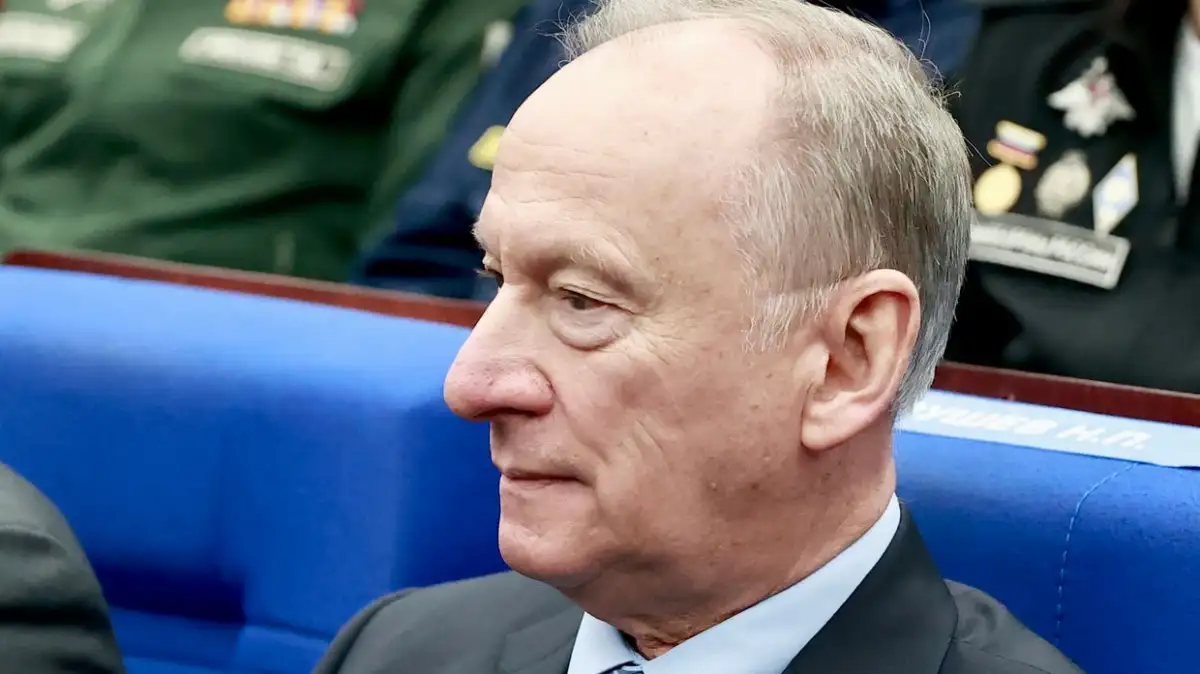
Speaking ahead of a NATO defense ministers' meeting, Rutte stated, "Vladimir Putin should know that if he will try that, our reaction will be devastating."
This declaration underscores the Alliance's commitment to defending every part of its territory and highlights the urgency of strengthening deterrence and defense capabilities. The meeting was set to address ambitious new capability targets, including air and missile defense, long-range weapons, and large land maneuver formations.
Read More: NATO buys 1,000 Patriot missiles in Germany to boost air defense
Analysis of Russian Intent and NATO's Deterrence
Independent military analysts offer varying perspectives on Russia's potential intentions. Some suggest that Russia might "manufacture" a pretext for conflict rather than waiting for one. The presence of multinational NATO forces in all Baltic states and Poland is seen as a clear signal of the Alliance's commitment.
It is observed that Russia has previously engaged in actions such as airspace violations and has been linked to damaged undersea cables in the Baltic Sea, which have led to increased NATO presence. Russian officials, however, have accused NATO of posing a threat in the Baltic region and conducting cyberattacks.
The head of Estonia's foreign intelligence service, Eerik-Niiles Kross, has stated that Russia "has no intention of attacking NATO." However, he cautioned that the situation could change and that sustained deterrence remains essential.
Evidence of Heightened Military Readiness
Reports indicate that Baltic allies have been preparing for potential Russian attacks, including practicing mass evacuation procedures. Russia has conducted exercises involving bombers targeting simulated enemy armored columns near NATO airspace. The development and testing of new weapon systems by Russia have also been noted.
Read More: Billionaire Adrian Portelli's petrol stations and UK expansion cause gambling worries
Russian Actions and NATO's Countermeasures
Recent events have included Russian jets violating Estonian airspace and Russian bombers conducting exercises. These actions coincide with NATO's efforts to reinforce its defenses and develop new capabilities. The alliance has also increased its presence in the Baltic Sea following incidents involving damaged undersea cables, though the cause of these damages remains under investigation, with some intelligence agencies divided on whether they were sabotage or accidental.
Conclusion: A Clear Deterrent Posture
The statements from NATO officials, particularly Margus Tsahkna and Mark Rutte, alongside warnings from Dutch Defense Minister Ruben Brekelmans, collectively signal a unified and resolute defense strategy for the Baltic states. This posture aims to deter any potential Russian aggression by outlining severe and immediate consequences, including strikes deep within Russian territory. While Estonian intelligence suggests Russia may not currently plan an attack, the observed increase in military activity, combined with historical incidents and the rhetoric from various officials, points to a sustained period of heightened tension. NATO's commitment to strengthening its deterrence and defense capabilities, including advanced weaponry and land formations, underscores the seriousness with which the Alliance is addressing potential threats to its eastern flank.
Read More: EU Considers Nuclear Power Again Due to Middle East Tensions and High Prices
Sources Used:
Kyiv Post: https://www.kyivpost.com/post/70166 - Reports on Estonia's Foreign Minister's statement regarding NATO's response to an attack on the Baltics.
Militarnyi: https://militarnyi.com/en/news/nato-strike-russia-attacks-baltics-estonia/ - Details on Baltic defense plans and official stances.
Kyiv Post: https://www.kyivpost.com/post/49779 - Dutch Defense Minister's warning about Russian military exercises.
AA.com.tr: https://www.aa.com.tr/en/europe/nato-chief-warns-of-devastating-response-against-any-russian-attack-in-baltic-region/3588786 - NATO Secretary General Mark Rutte's warning of a "devastating" response.
Meduza: https://meduza.io/en/feature/2025/11/17/putin-s-less-afraid-of-war-than-of-peace-what-independent-military-analysts-have-to-say-about-the-risk-of-russia-invading-the-baltic-states - Independent military analysts' views on Russia's risk of invading the Baltic states.
The Kyiv Independent: https://kyivindependent.com/putins-aide-blames-nato-for-escalating-tensions-in-the-baltic/ - Russian claims of NATO threats in the Baltic region and reports of hybrid operations.
Newsweek: https://www.newsweek.com/russia-nato-baltic-states-bombers-attack-training-10861178 - Reports on Russian military exercises near NATO and Baltic preparations for attacks.
The Moscow Times: https://www.themoscowtimes.com/2025/12/29/russia-has-no-intention-of-attacking-nato-estonian-spy-chief-says-a91571 - Estonian intelligence chief's assessment that Russia has no intention of attacking NATO.