The United States has dispatched approximately 2,500 Marines to the Middle East, a move that officials suggest enhances the president's capacity to safeguard U.S. forces in the region and potentially conduct military actions against Iran. This deployment coincides with increased Iranian attacks on critical infrastructure and heightened military drills, signaling a significant escalation in regional volatility.

More than 1,900 individuals have reportedly been wounded in related conflicts. The United States has accused Iran of laying mines in the Strait of Hormuz, a claim Iran has not confirmed nor denied. Concurrently, fighting between Israel and Hezbollah has intensified, resulting in numerous fatalities.
Military Posturing and Strategic Messaging
U.S. military operations in the region now involve multi-day aerial exercises, ostensibly designed to showcase the projection of power and sustained combat air operations. Elements of carrier air wings and other units are participating in these drills, emphasizing readiness and interoperability.
Read More: Trump Raises EU Car Tariffs to 25% Next Week

U.S. officials have described the carrier’s arrival as expanding the president’s ability to defend U.S. forces in the region and, if ordered, conduct military action against Iran.
This strategic messaging runs parallel to the physical movement of forces. Some analysts suggest the troop deployment is intended to signal a serious escalation to Iran while also communicating a specific posture to the American populace.

Regional Disturbances and Diplomatic Responses
The dispatch of Marines follows Iran's continued daily attacks on oil and other infrastructure across the Gulf. These actions have disrupted traffic through the strategic Strait of Hormuz, impacting the global economy and driving up gas prices.
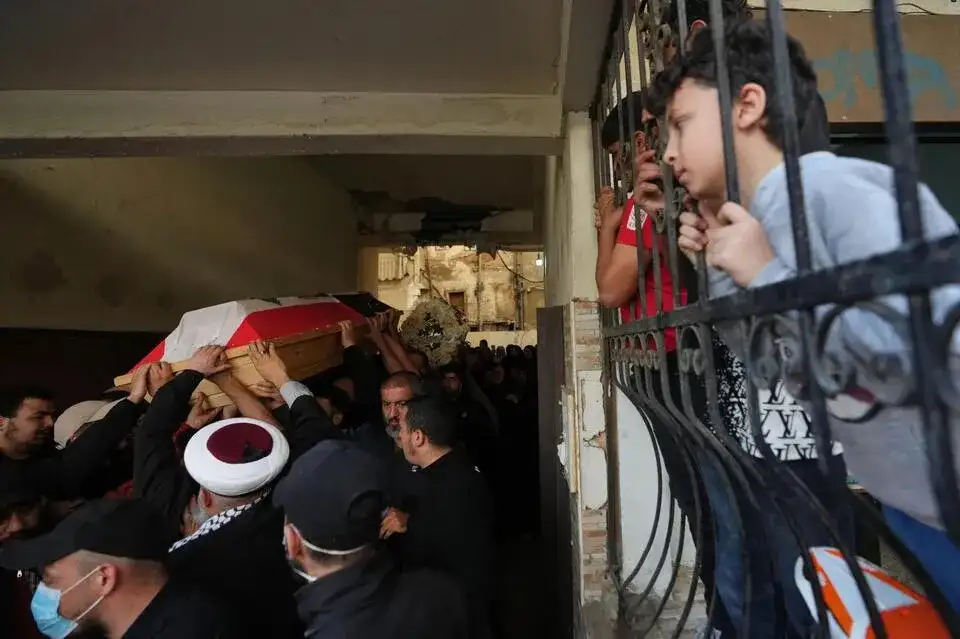
Lebanese Prime Minister Nawaf Salam has urged Israel to halt strikes on his country, while also criticizing Hezbollah for firing rockets at Israeli targets. The ongoing conflict between Israel and Hezbollah has resulted in a significant number of casualties, including children and women.
Broader Context and Political Undercurrents
The increased U.S. military presence comes amid reports that administration officials have proposed commando raids on Iran's nuclear sites to disrupt its uranium supply. Some political commentators, including former Trump strategist Steve Bannon, have characterized the deployment as a significant escalation that could make a potential military withdrawal more difficult. These actions and discussions occur while U.S. public opinion reportedly shows strong disapproval of potential U.S. involvement in conflicts with Iran.
Read More: US Halts Iran War for 2 Weeks; Congress May Not Approve
The situation is further complicated by allegations of Iranian mining in the Strait of Hormuz. The U.S. has also noted Iran's capacity for rapid military retaliation in the event of conflict initiation by external forces.